

The Valuation Paradox: Record Highs but Single-Digit PEs
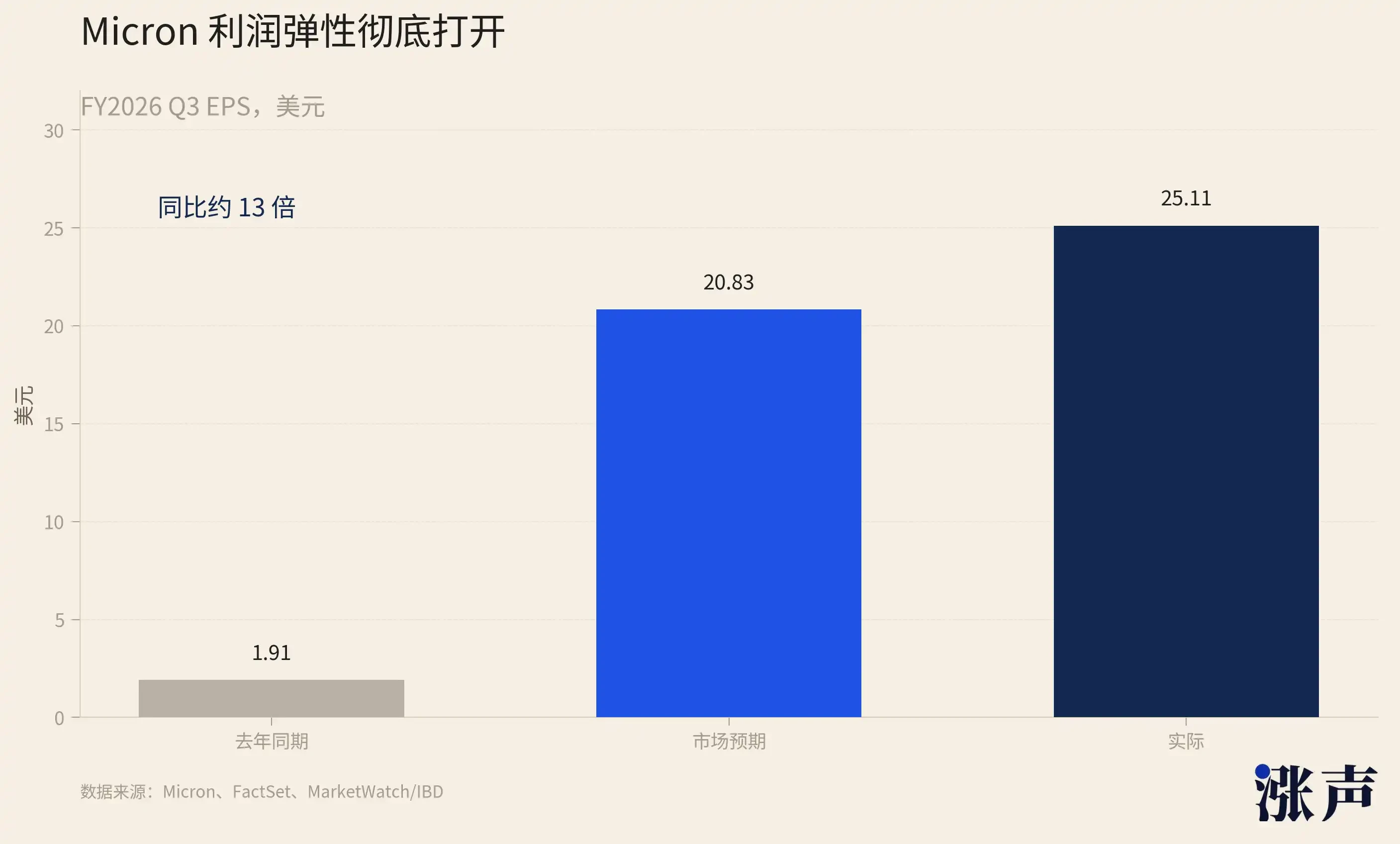
Micron's latest earnings delivered a historic boost for the semiconductor sector. FY2026 Q3 revenue reached $41.46 billion, nearly $6 billion above consensus expectations, with gross margin guidance of 84.9% — approaching software-company levels. The stock jumped 13–14% after hours, pushing market capitalization above $1.16 trillion. As of June 22, Micron closed at $1,211.38, up over 3x year-to-date and over 850% over the past 12 months, making it the third-best performer in the S&P 500 in 2026, behind SanDisk and Western Digital (both memory names). SK Hynix gained over 800% in the past 52 weeks, and Samsung over 400%.
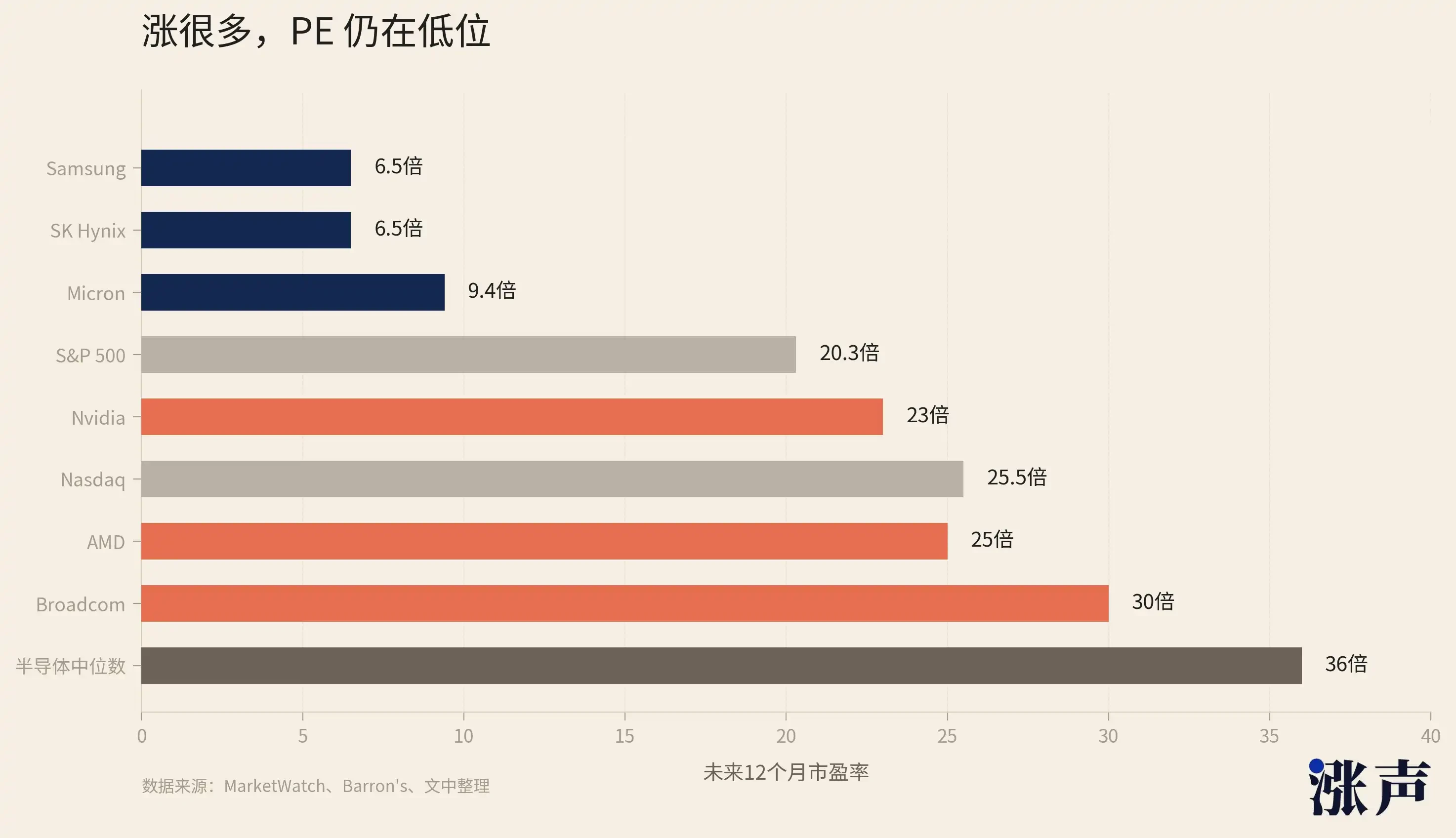
Despite these massive price gains, the forward P/E ratios of the memory trio remain at historic lows. According to FactSet, Micron’s next-12-months P/E is about 9x, SK Hynix and Samsung around 6.5x. Barron’s cites Micron at 9.74x, versus the Nasdaq Composite at 25.5x and the S&P 500 at 20.3x. GuruFocus data (June 21) shows Micron’s forward P/E at 9.90x, SK Hynix at 5.92x, and Samsung at 5.45x. In contrast, NVIDIA trades at 23x, Broadcom at 30x, AMD at 25x, TSMC at 20x, and the semiconductor industry median is around 36x. Memory valuations are roughly one-third of NVIDIA’s and one-quarter of the sector median.
Yet AI profits are increasingly flowing into memory. Every high-end AI accelerator requires HBM; every inference server needs large-capacity DRAM; KV cache, model weights, and data throughput rely on SSDs. Micron alone reported $25 billion in quarterly data-center revenue, of which enterprise SSDs contributed $5 billion (20%). AI data centers have driven up HBM, DRAM, and NAND prices, even forcing Apple to pass some cost increases to consumers.
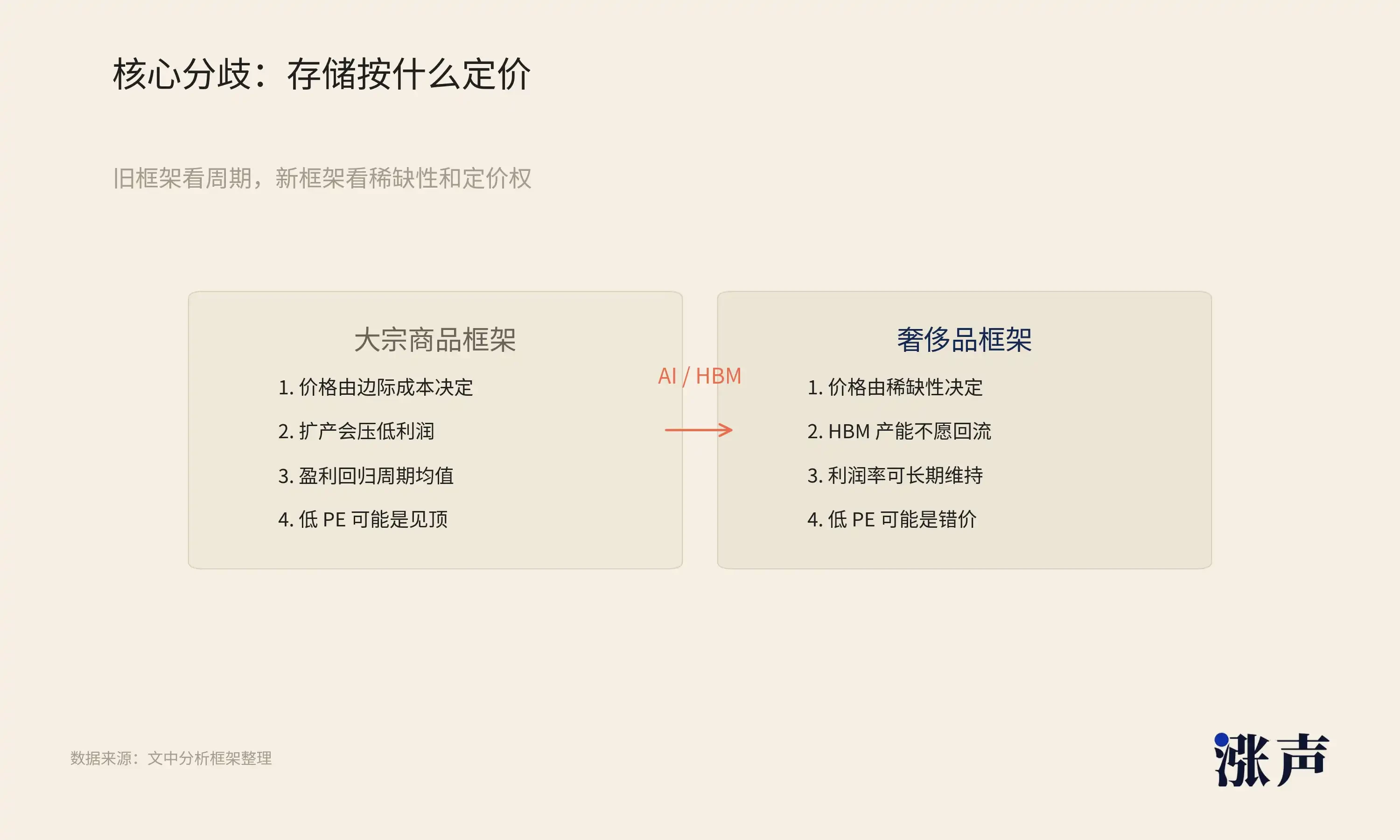
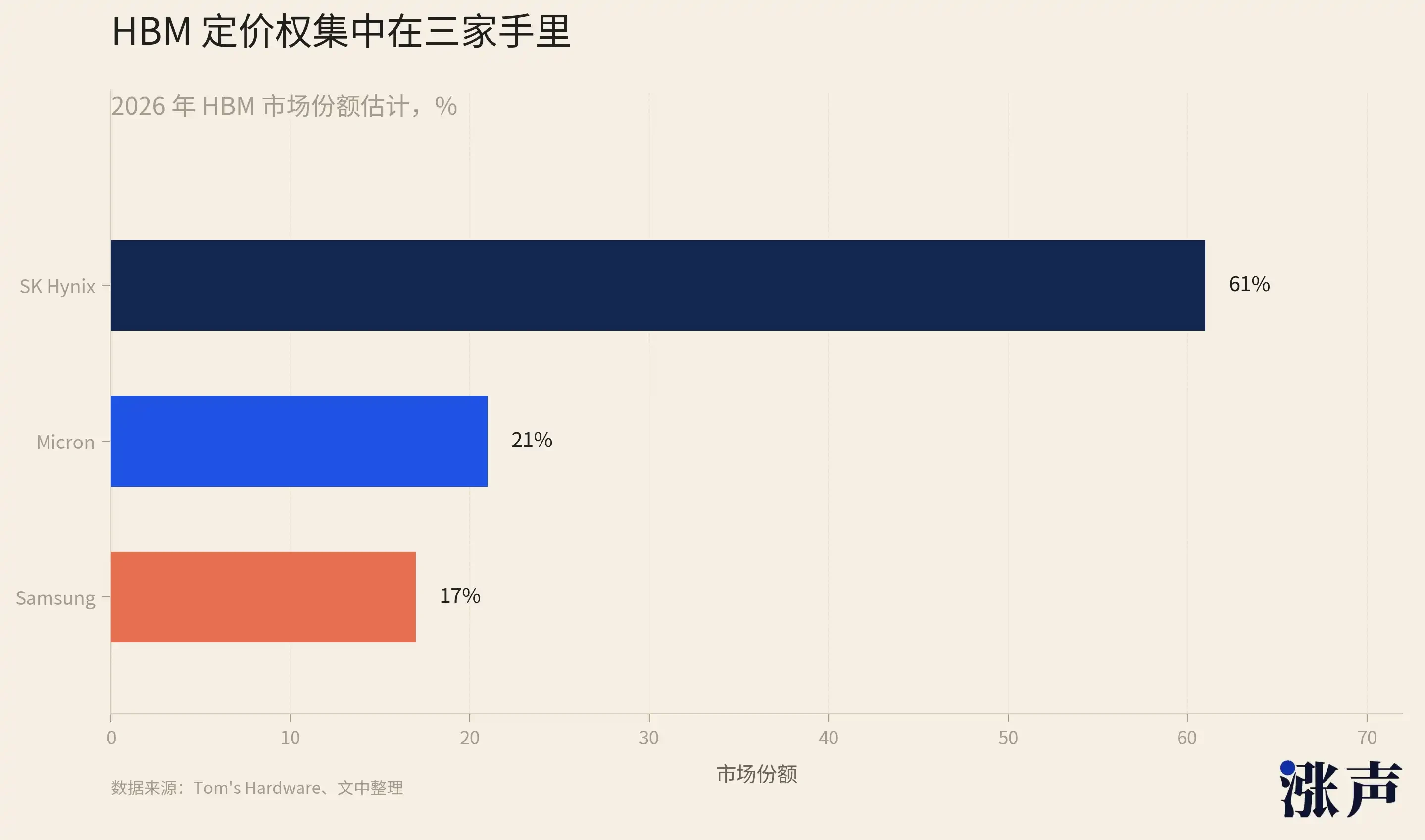
Jukan, a semiconductor analyst at Citrini Research, notes that HBM has broken the 60-year trend of DRAM cost per GB declining by an order of magnitude every five years. Manufacturers are shifting capacity to HBM, squeezing traditional DRAM supply. Annual HBM volume and pricing are largely negotiated at the start of the year, providing strong earnings visibility. TrendForce reports that Q1 2026 traditional DRAM contract prices surged 90–95% quarter-over-quarter — the largest single-quarter increase on record — with further gains in Q2. Morgan Stanley even predicts DRAM prices may rise for four consecutive years. Jukan argues that memory has transformed from a commodity to a luxury good, yet the market continues to price it using a commodity framework, resulting in low P/Es that are likely to correct upward.
Earnings Season Heats Up: Micron Is Just the Starting Gun
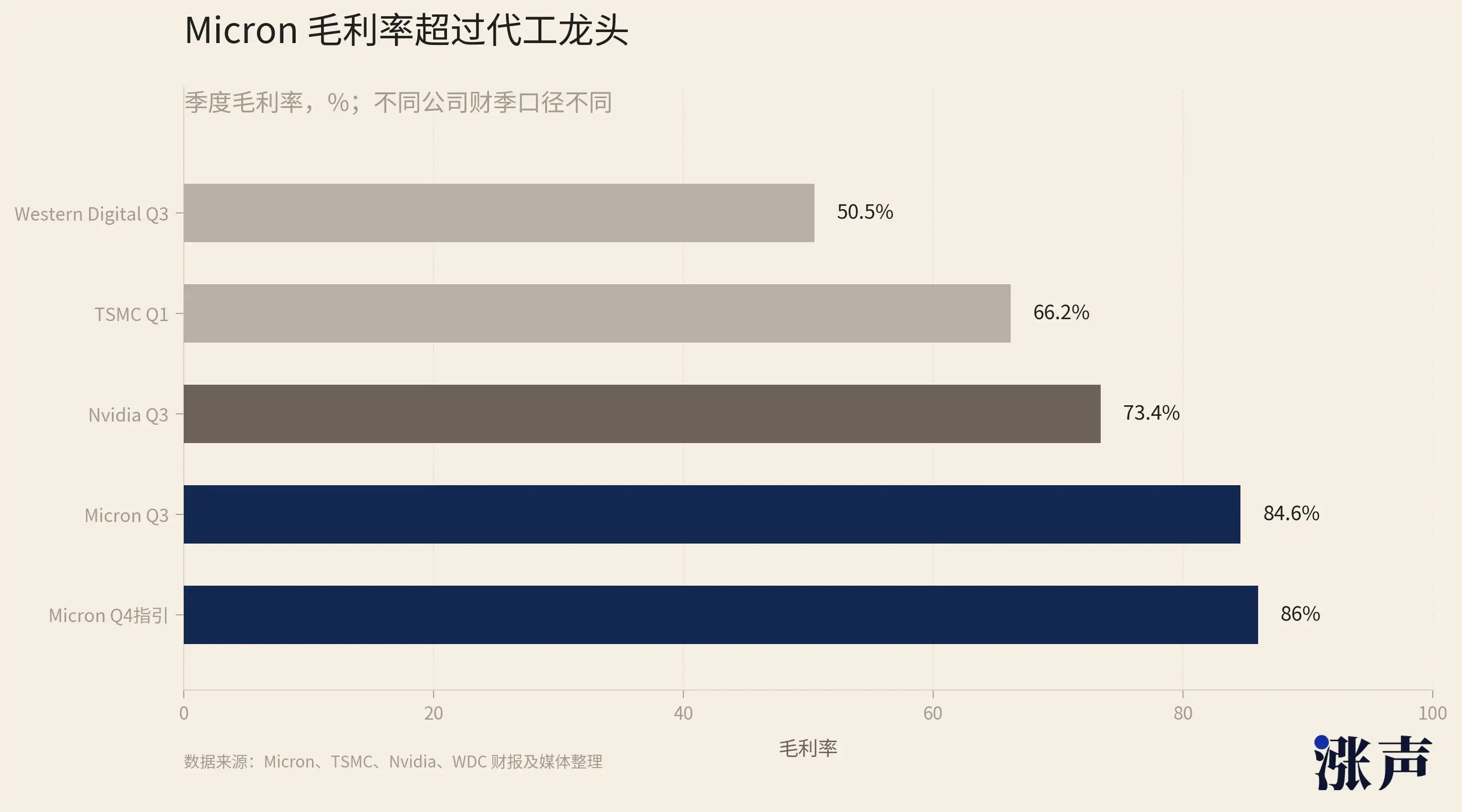
Micron’s report kicks off a dense month for memory earnings: TSMC on July 16, Samsung on July 23, and SK Hynix and Western Digital on July 29. Micron’s key signal is its Q4 guidance of $50 billion revenue and 86% gross margin, indicating that price increases have not peaked but are accelerating.
TSMC (July 16), the bedrock of AI chip supply, posted Q1 revenue of $35.9 billion (+40.6% YoY), gross margin of 66.2%, and advanced nodes accounting for 74% of wafer revenue. More advanced wafers from TSMC mean more AI accelerators, each requiring additional HBM stacks. NVIDIA’s Vera Rubin platform, for example, uses several times more HBM per GPU than previous generations.
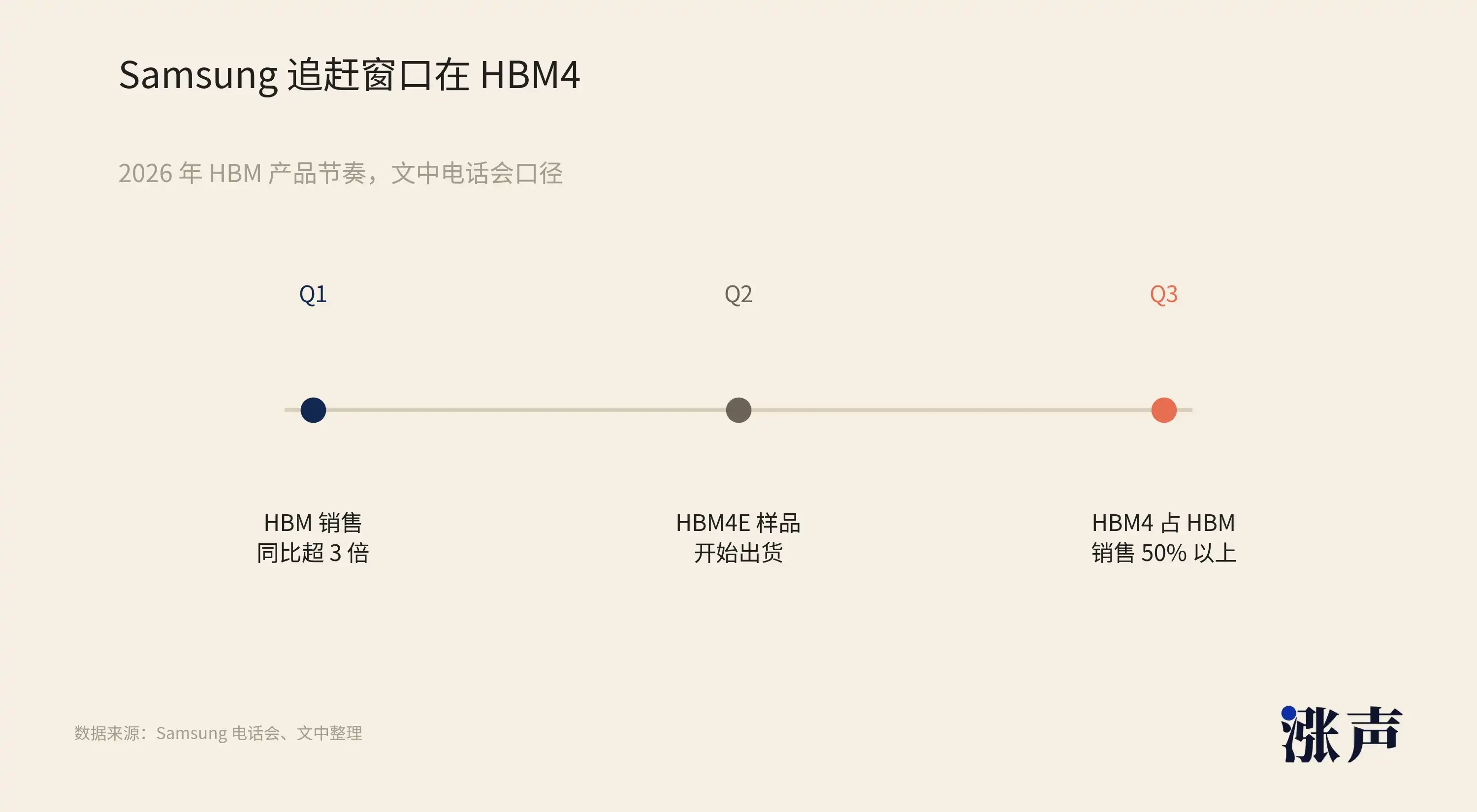
Samsung (July 23) is expected to report Q2 operating profit of about 88.3 trillion won, with margins matching or exceeding Q1’s 66% — an extraordinary level for a conglomerate spanning phones, panels, and appliances. SK Hynix (July 29) posted Q1 revenue of 52.6 trillion won (+198% YoY), operating margin of 72%, and net margin of 77% — surpassing NVIDIA’s 58% and Apple’s 25%. Some analysts forecast Q2 operating margin could approach 80%. Micron has already achieved 81.2% operating margin. Combined operating profit for Samsung and SK Hynix in Q2 is expected to exceed 150 trillion won, and together with Micron, the trio is set to post a record quarterly profit.
Western Digital reports the same day, focusing solely on NAND/SSD (no DRAM/HBM). In Q3, Cloud revenue grew 48% YoY, and gross margin hit a record 50.5%. Western Digital and its spun-off SanDisk are the two best S&P 500 stocks in 2026, ahead of Micron.
After HBM, NAND May Be the Real Main Course
HBM has been the star, but NAND’s supply shortage could be even more acute. HBM’s expansion path is clear, whereas NAND manufacturers have barely expanded capacity since the 2022–2023 price crash, with new fabs delayed until at least 2027. The big three are prioritizing capacity for HBM and high-end DRAM; Micron even shut down its consumer Crucial business to refocus on enterprise and GPU storage.
On the demand side, large-model inference has triggered explosive growth in enterprise SSDs (eSSD), with global eSSD revenue up 86% sequentially in Q1 2026. HDD shortages have also pushed data centers to substitute SSDs. Phison Electronics’ CEO stated, “every NAND manufacturer tells us the whole 2026 allocation is sold out.” Kioxia confirmed its NAND capacity is fully booked for the full year. The price of a 1Tb TLC NAND chip rose from about $4.80 in July 2025 to $10.70 by year-end — more than doubling.

HBM’s shortage has a remedy (albeit slow), while NAND’s shortage currently has no solution. Western Digital and SanDisk, both pure-play NAND/SSD names, are the S&P 500’s top performers in 2026, signaling the market has quietly promoted NAND to a leading role. Of course, NAND lacks HBM’s rigid demand link to AI accelerators, but contract prices, inventory cycles, and capacity expansion reluctance all point to a more structural shortage in NAND.