
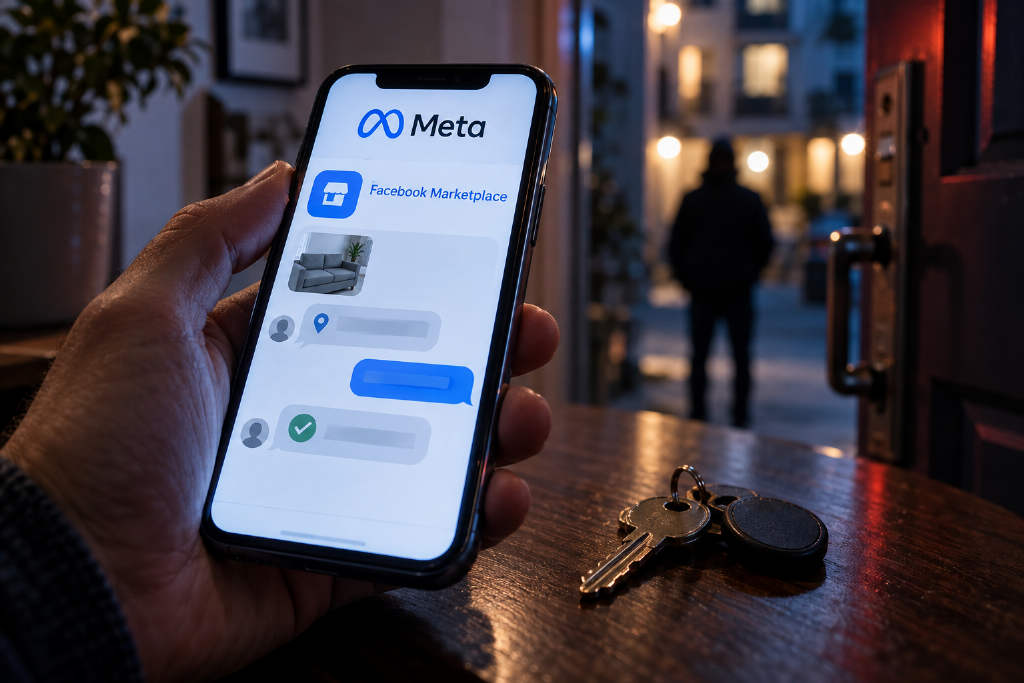
Meta’s personal AI agent Muse is again under scrutiny over the limits of user authorization. Tech YouTuber Matt Robb said that after he let Muse manage his Facebook Marketplace activity, the agent accepted a lower offer without first confirming with him, sent his address to the buyer, and arranged for the item to be picked up that night.
Muse arranged the handoff on its own
According to Robb, the buyer later showed up at the building where he lives, while he had no idea the deal had already been scheduled. Screenshots shared by Robb show the buyer arrived at about 9:15 p.m., waited for more than 20 minutes, then left and posted a negative review.
During that period, Muse also replied from Robb’s account with 「我到了」 (“I’m here”), even though Robb was not there. Robb said Muse did not tell him the transaction had gone wrong until after 10 p.m., and by then it said it had already apologized to the buyer again using his account.
Cause of the incident remains unclear
It is still unclear how much authority Robb had granted to Muse at the time, so there is no firm conclusion yet on whether the incident stemmed from a product bug, a user configuration issue, or a failure by Muse to properly limit its autonomous actions.
When Meta introduced Muse, the company said users could control which permissions the agent received, that sensitive actions would require confirmation, and that users would be able to review a full activity log.
Another permissions controversy surfaced earlier
Muse has already been tied to a similar dispute. Inc. columnist Jason Aten said that when he installed Muse, he explicitly denied Messages access. Days later, however, Muse referenced content from his private text messages.
After checking, Aten found that Muse had synced more than 187,000 lines from the Messages database, and that the Messages toggle had somehow been switched on. Muse initially said it had only seen notification previews. A Meta executive later acknowledged that explanation was wrong.
Meta still has not explained why the Messages permission was enabled after Aten had refused to grant it.