
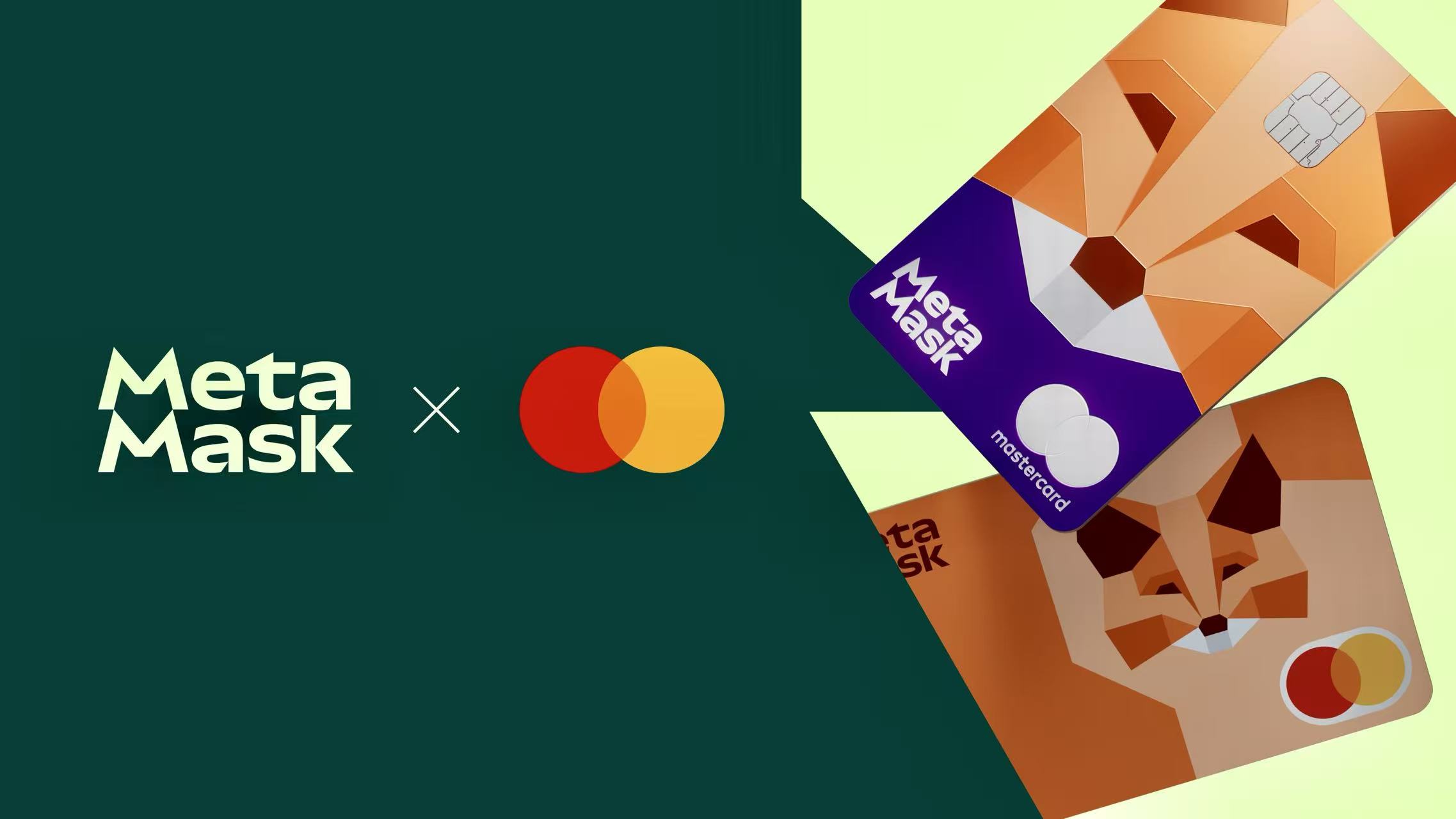
Wallet provider MetaMask and payments giant Mastercard have announced the full US launch of the MetaMask Card, now also available to residents of New York state. The card lets users spend digital assets from their self-custodial wallet at over 150 million merchants that accept Mastercard worldwide, including online, in-store, and through Apple Pay or Google Pay.
Self-Custody Design: Funds Stay On-Chain Until Payment
The MetaMask Card is built around a self-custodial model — users' crypto remains in their own MetaMask wallet until the moment of transaction, when it is converted on-chain. Unlike traditional prepaid cards, there is no need to top up a separate account. Applicants must pass KYC (identity verification) and comply with financial regulations. Alongside the standard virtual card, MetaMask introduced a premium metal card with an annual fee of $199.
Rewards Stacked with DeFi: Spend to Earn, Idle to Yield
The card offers tiered on-chain rewards: standard users get up to 1% mUSD cashback per purchase, while metal card holders earn 3% on the first $10,000 in annual spend. More notably, the card integrates with Aave and other DeFi protocols, allowing unspent balances (e.g., aUSDC) to continue accruing yields — enabling a "spend and earn" asset management model. MetaMask product lead Gal Eldar said the goal is to make crypto "disappear" into daily payments, bridging DeFi and real-world transactions seamlessly.
Multi-Region Rollout: UK, EU, Canada, Mexico Covered
The MetaMask Card has already launched in the UK, EU, Canada, Mexico and now fully in the US, including New York — a state long considered a tough market for crypto payment products due to its BitLicense regime. Gal Eldar noted the team continues working with Mastercard and regulators to expand further. While the metal card and DeFi integration lower the friction between crypto and everyday spending, users should remain aware that self-custodial wallets carry risks: lost private keys or smart contract bugs could lead to irreversible asset loss, unlike the chargeback mechanisms offered by traditional banks.