
Global Supply Chain Disruptions and Capital Market Risk Accumulation
Metrics Ventures' latest monthly report warns that persistent global supply chain disruptions since 2022 have gradually eroded the endogenous resilience of economies such as Japan, South Korea, and Europe. These countries' monetary and fiscal policy autonomy is increasingly constrained, and the uncertainty in the international political and economic landscape is quietly building momentum for future capital market shocks. The report believes that this fragility is accumulating rapidly and could trigger a chain reaction in the near future.
Liquidity Draining and Crowded Trade Risks
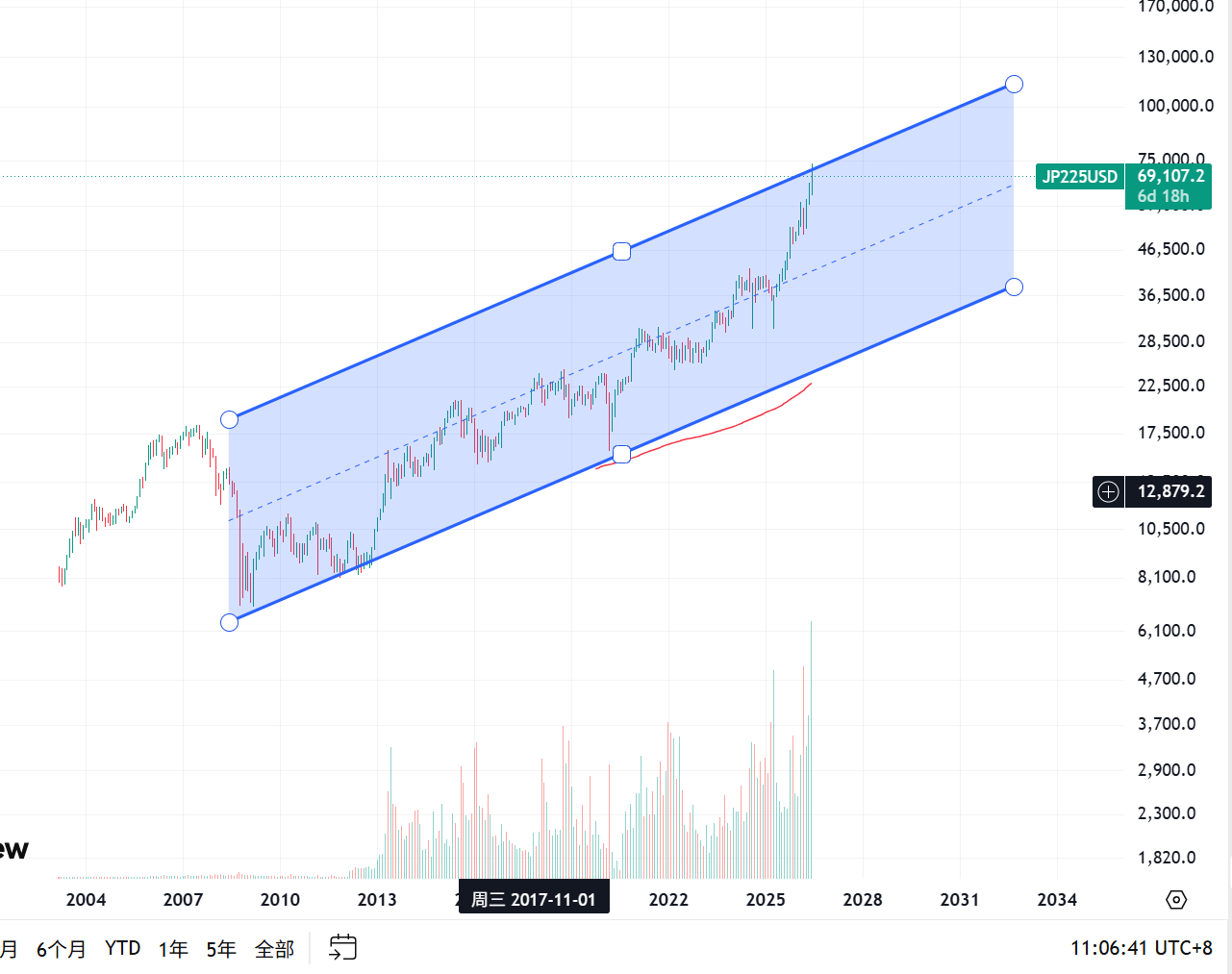
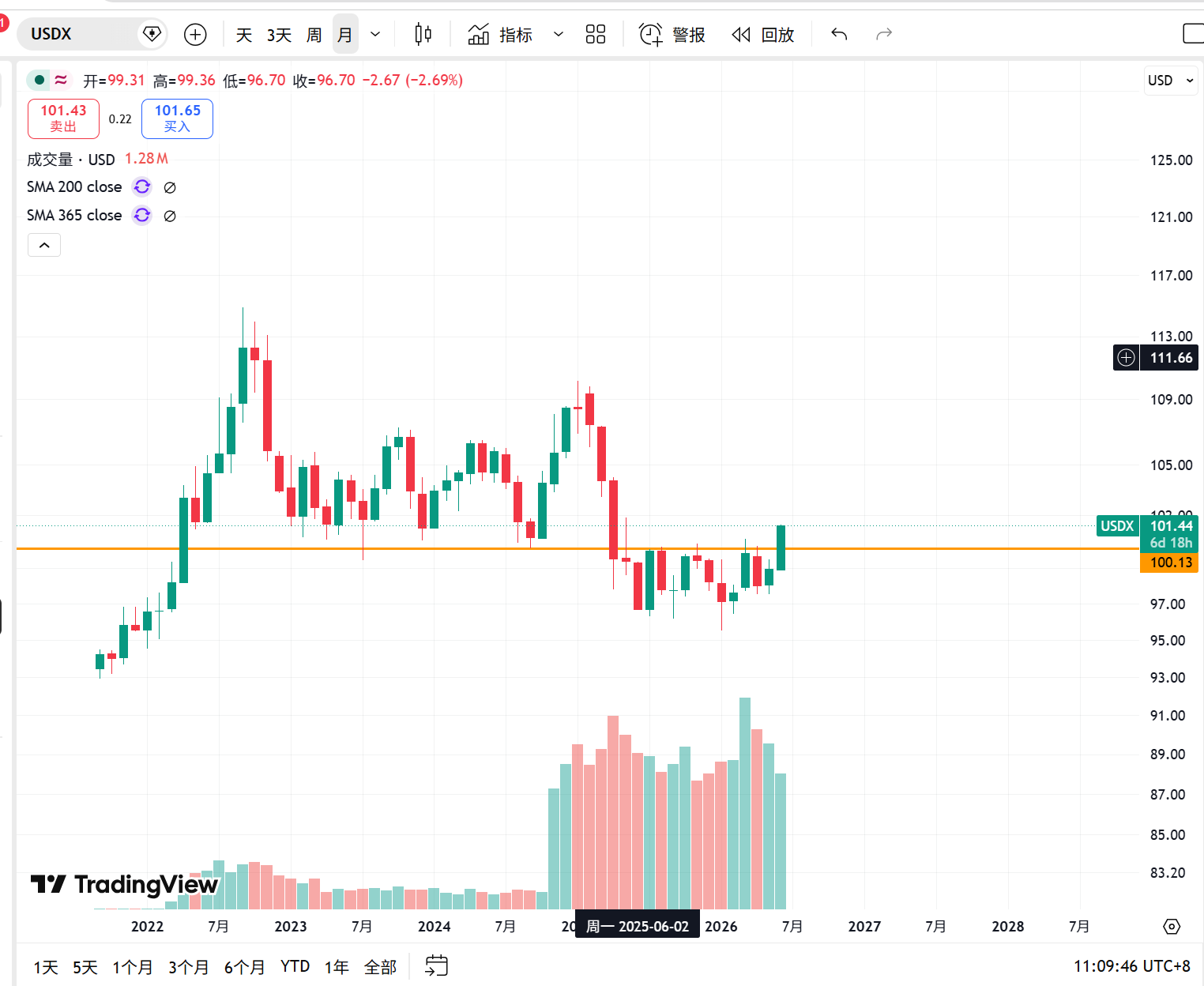
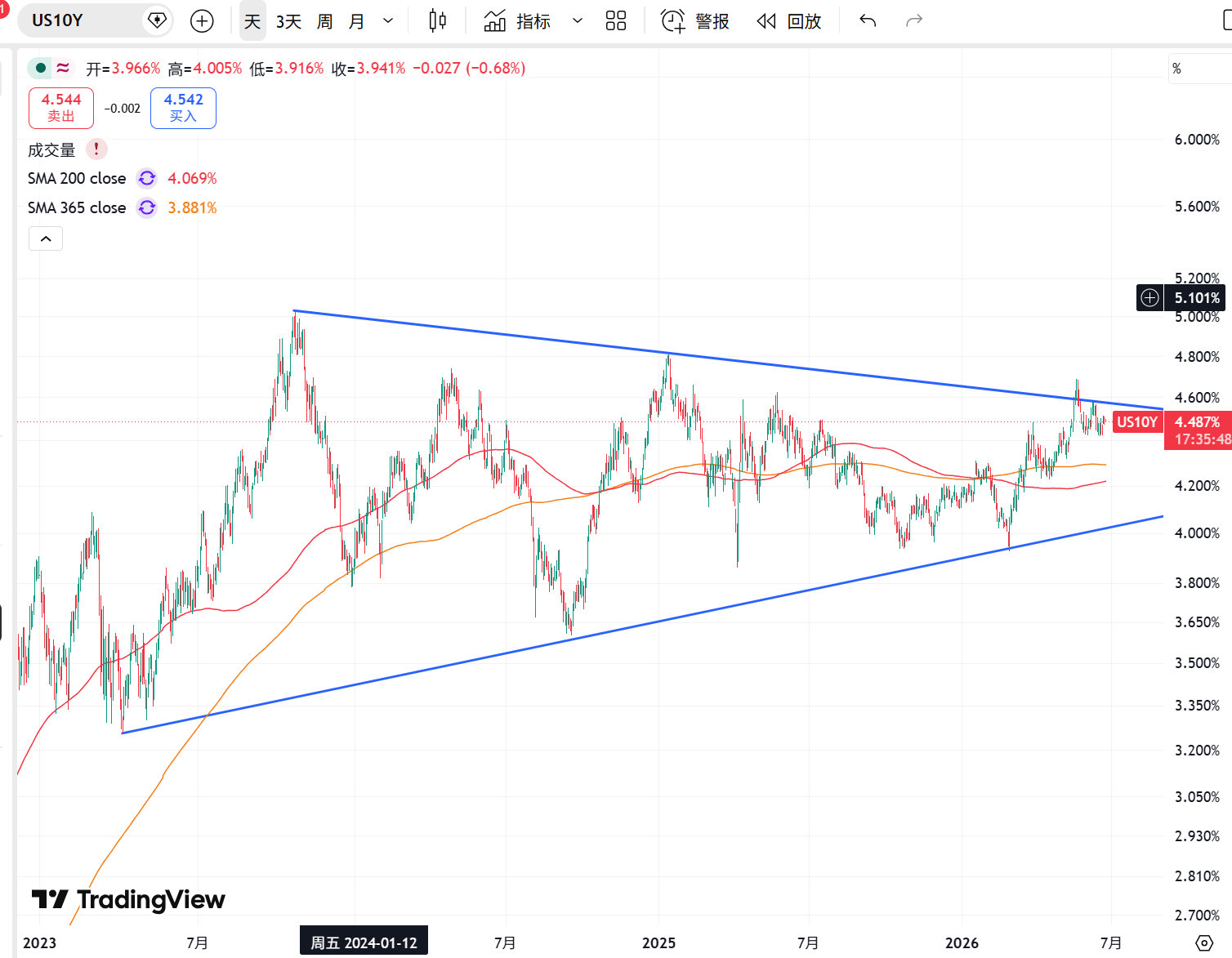
Market movements have revealed that liquidity depletion is already occurring, except in AI and certain base metals sectors. Although an imminent bubble burst is not yet on the horizon, vulnerable nations are increasingly piling into crowded trades. This all-in approach, given the current geopolitical and economic situation, is unlikely to end well. Technically, the market appears to be in the mid-to-late stages of concentrated trading: the Japanese and South Korean equity markets—bolstered by state-led fiscal transfers—have reached major long-term resistance; the US dollar index has broken above its one-year resistance; the US 10-year Treasury yield remains stable while the 2-year yield shows an upward trend. Meanwhile, SK Hynix's leveraged fund exposure has surpassed that of Tesla, as a large number of white-collar workers, facing a loss of human capital premium, are forced into capital market games. Countries deeply integrated into global trade are now paying the price for their past trust in capitalist globalization: supply chain breakdowns and the disintegration of international trade alliances severely impair their fiscal and monetary systems' ability to regulate the economy. If liquidity suddenly contracts, algorithmic liquidation by leveraged funds will begin during Asian trading hours, transmitting shocks to global fear indices and triggering greater volatility.
Crypto Markets and Bitcoin Under Potential Pressure
For crypto, the fragile world line has been rapidly converging into thick clouds above prices since late last year. The report for the first time emphasizes the need to seriously assess the possibility of MSTR (MicroStrategy) selling its approximately 800,000 BTC holdings. Amid prolonged demand weakness, BTC's appeal as a hedge shorting strategy against other assets continues to rise, casting a bleak medium-term outlook. If a selling mechanism is triggered, combined with market liquidity contraction, BTC will not escape unscathed. The bottom during this risk release cycle may appear unbelievably deep to current investors, but deeper corrections are not a fantasy born of panic.

Base Metals and Precious Metals Outlook
For the base metals sector under constant tracking, gold and silver will face near-term headwinds as countries (notably Turkey's central bank) are forced to exchange dollars for commodity reserves. However, this turbulence is exactly the deep squat before the major uptrend for precious metals. A complete failure in the Strait of Hormuz would loosen the foundation of dollar hegemony, and the market shocks following rate hikes will eventually pave the way for monetary easing. Copper and other small metals involve more complex dynamics—when the tug-of-war over rate hike expectations reaches an extreme, there may be a sweet window of opportunity.

Conclusion: Opportunity Amid Risk
At the start of the year, few could have predicted the events in the Strait of Hormuz or that global capital markets would enter the second half of the year in this manner. Risk comes with opportunity. Investors must stay vigilant and think more carefully about asset positioning and trade directions during the coming risk release.