
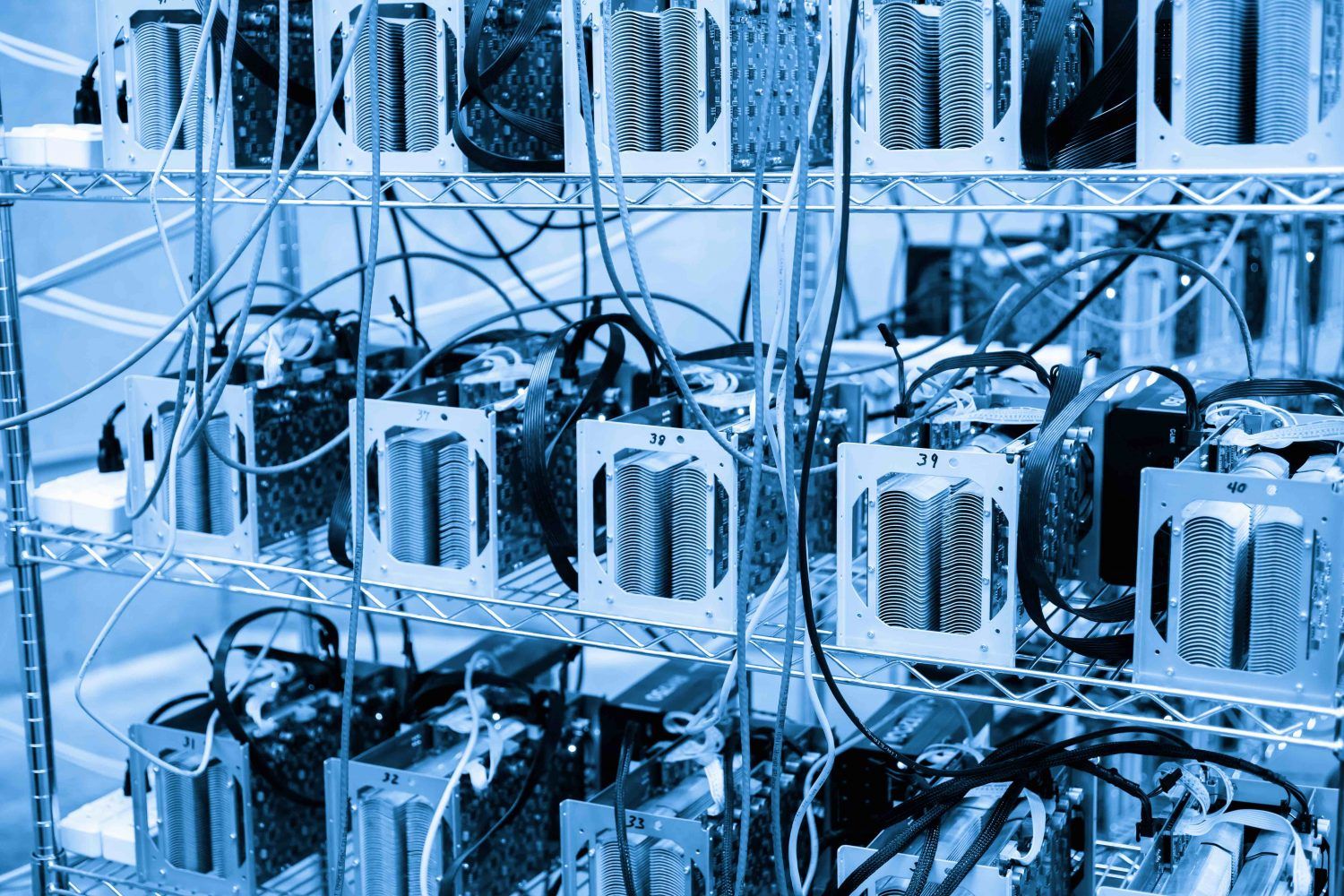
Seven major mining pools representing nearly 75% of Bitcoin’s global hashrate have joined the Stratum V2 working group, a notable shift in how block construction could be handled across the network. The new participants are Foundry, AntPool, F2Pool, SpiderPool, MARA Pool, Block Inc, and DMND.
Block template control moves closer to individual miners
Stratum V2 is an open-source protocol that defines how mining pools communicate with the miners connected to them. Its most consequential practical change is that individual miners can build their own block templates, giving them control over which transactions are included in a new block instead of leaving that decision to pool operators.
Under the current Stratum V1 standard, transaction selection for nearly every new Bitcoin block sits with pool operators rather than the miners supplying the hashrate. That concentration has been one of the clearest structural concerns around modern mining over the past two years. Stratum V2 does not redistribute hashrate itself, but it does change who decides what goes into each block, which is the part many in the Bitcoin community have focused on most closely.
Foundry and AntPool give the standard much wider reach
According to Hashrate Index data, Foundry controls 34.2% of global Bitcoin hashrate, AntPool holds 14.2%, F2Pool accounts for 11.3%, SpiderPool has 10.5%, and MARA Pool adds 4.7%. With the rest of the signatories included, the seven pools now backing Stratum V2 account for close to three-quarters of the network’s hashrate.
A mining pool controlling more than 30% of total hashrate is already seen as less than ideal. The sharper concern is when that same pool also determines transaction ordering for its share of blocks. Stratum V2 does not break up those hashrate concentrations, but it does push transaction selection away from pool operators and down toward miners.
The protocol has been around since 2022, but adoption is now broadening
Stratum V2 has existed since 2022, when Braiins and Spiral co-founded the working group. Until now, it had largely been treated as a niche initiative with limited adoption. The addition of Foundry and AntPool gives the standard meaningful distribution, and the working group described the move as the beginning of a new phase of faster deployment.
The timing lines up with a difficult operating environment for miners. CoinShares estimates that as much as 20% of miners are currently unprofitable. Hashprice, the revenue miners earn per unit of computing power, stands at $38.57 per PH/s/day, which is around breakeven for operators using mid-generation hardware.
Network conditions remain demanding. CoinWarz projects mining difficulty will rise again on May 15, moving from 132.47T to 135.64T, while total network hashrate is now at 998 EH/s.