

Mivisio Technology (001229.SZ), a Chinese supplier of distributed audiovisual and multimodal AI vision application solutions, is making a move into indium phosphide semiconductor materials even as revenue and profit in its main business have been losing steam. The company set up a wholly owned subsidiary in July, then got board approval in August to start early-stage work on the project.
Right now, the project is still being prepared. The company said it has not materially affected operating performance. Meanwhile, Mivisio’s current business has been slowing, and one major shareholder finished a large share sale during the stock’s rally.
Subsidiary formed in July, board approval followed in August
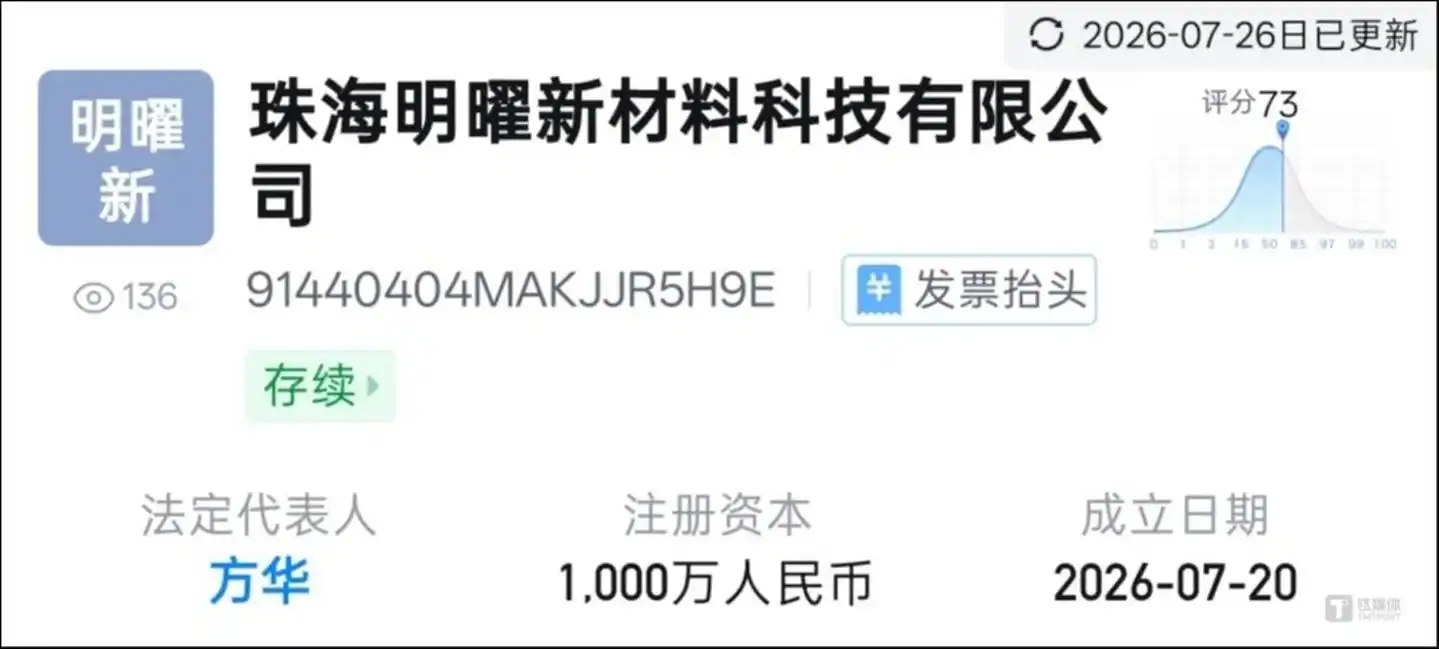
Tianyancha App information shows that on July 20, 2026, Mivisio registered Zhuhai Mingyao New Materials Technology Co., Ltd. as a wholly owned subsidiary with registered capital of RMB 10 million. This entity is meant to act as the operating vehicle for the indium phosphide semiconductor materials project.
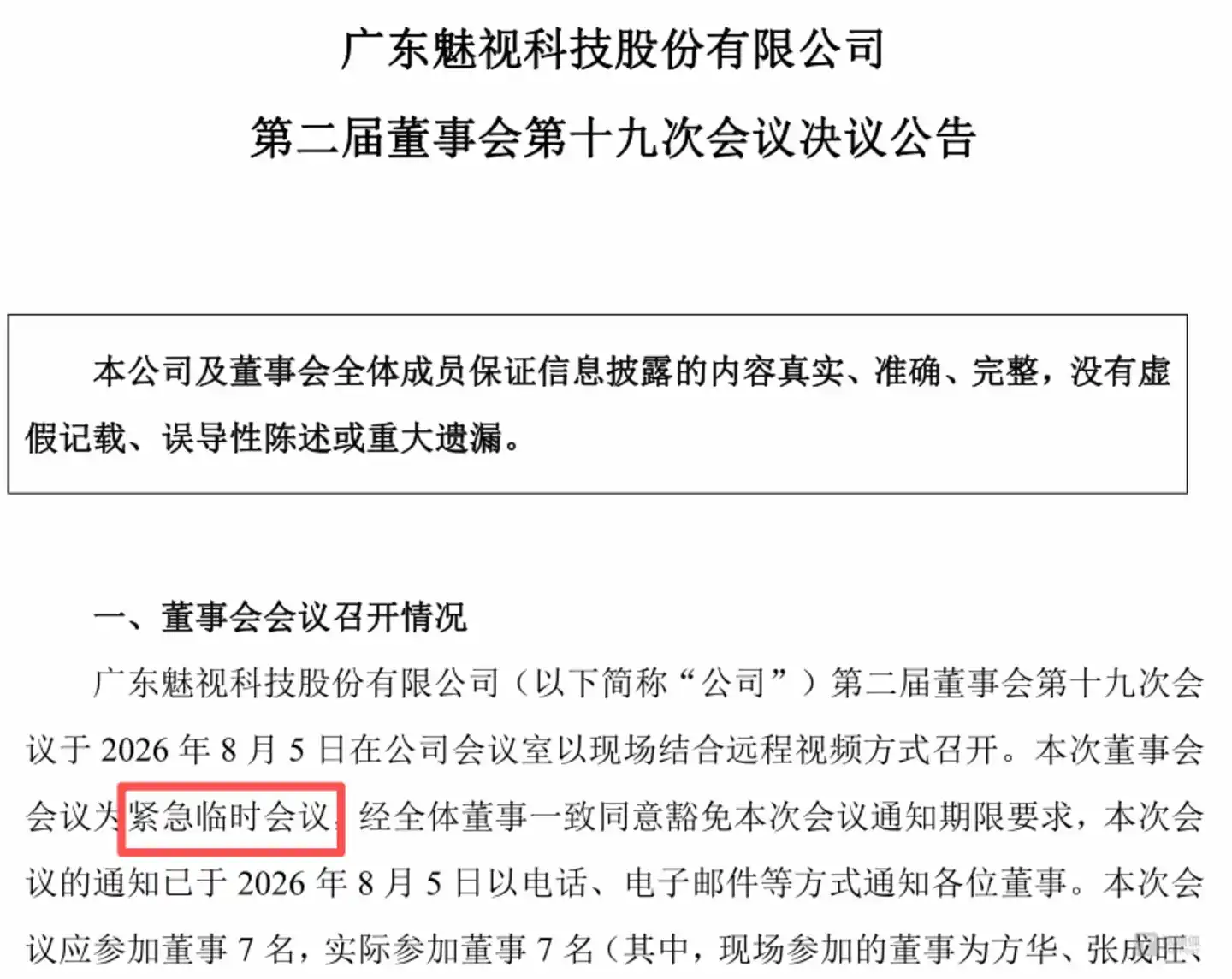
Then on Aug. 5, the company held a temporary board meeting and unanimously approved a proposal authorizing management to handle the project’s preliminary preparations. Three directors attended by video.
The plan is split into two stages. First, Mivisio plans to invest RMB 12 million to build an R&D lab and install 20 sets of process verification equipment for process validation and feasibility testing tied to a small-batch production line. If those experimental results prove workable, stage two would call for another RMB 200 million to RMB 260 million for industrialization.
The company has already begun environmental and safety approval procedures ahead of time. In its disclosure, Mivisio said indium phosphide is a substrate material for optical chips in the AI computing era, used mainly in optical module devices, sensing devices, and radio-frequency devices. And it said the market is expected to grow as global demand for AI computing rises.
Even so, the project is still at a very early preparatory stage and “has not had a material impact on the company’s operating results.”
Investor communications picked up before the announcement
Before it formally advanced the project, Mivisio had already been hinting to institutional investors that it was interested in semiconductor and computing-related acquisitions.
In 2024 and 2025, outside regular earnings communication meetings, the company held only one institutional investor meeting in each year. But in June 2026 alone, it arranged three. The number of participating institutions was far above what was seen in the prior two years.
At a survey meeting on June 3, 2024, Mivisio said, in response to a question about future acquisition directions, that “the direction of mergers and acquisitions is related fields such as semiconductors and computing power.” The company basically kept that same line in follow-up meetings on June 9 and June 29.
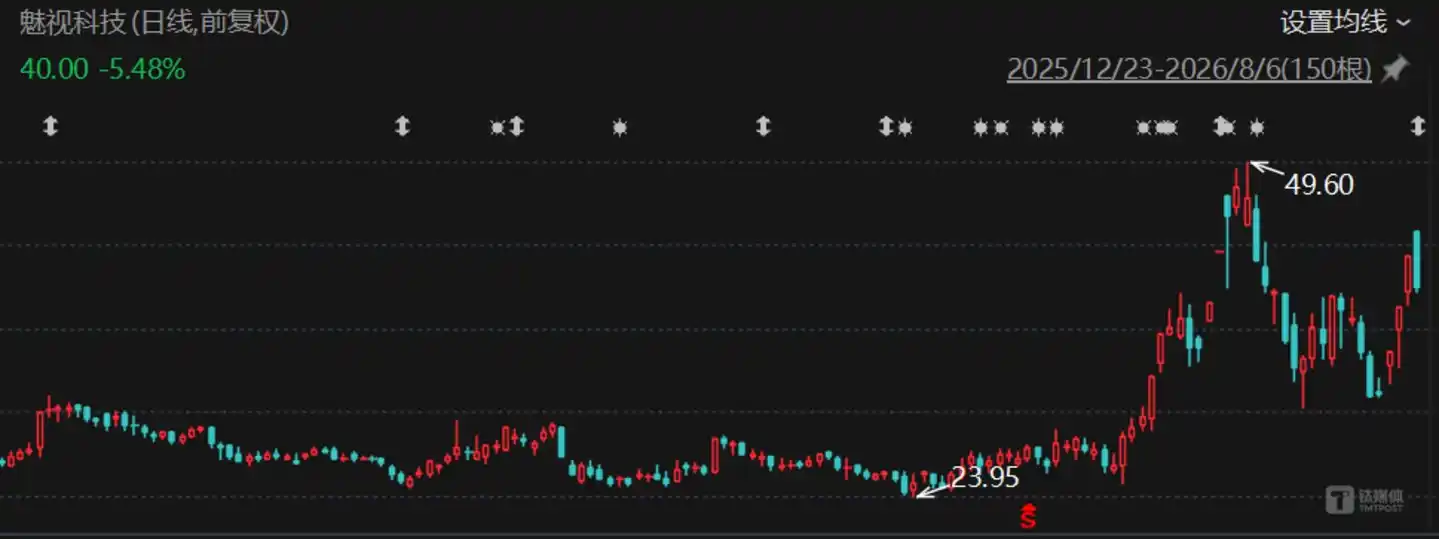
In the secondary market, the share price started climbing on June 24. The stock gained 8.81% that day after opening lower, then moving up step by step. On July 13, it touched an intraday high of RMB 49.60, the highest since listing, and the maximum gain during that run was close to 74%.
Director and major shareholder cut holdings, cashing out about RMB 142 million
At roughly the same time, a key shareholder finished a previously disclosed reduction plan.
On July 6, 2026, Ye Weifei, a director and shareholder with more than 5% of the company, completed the sale of 4.3029 million shares, equal to 3% of total share capital. Of that total, 1.4343 million shares were sold through centralized bidding at an average transaction price of RMB 35.29 per share. The other 2.8686 million shares were transferred through block trades at an average of RMB 31.76 per share.
Using the disclosed numbers, the total cash-out was about RMB 142 million.
After the reduction was completed, Mivisio released its earnings forecast for the first half of 2026 on July 14. The company said net profit attributable to shareholders is expected at RMB 4.2 million to RMB 5.5 million, down 71.17% to 77.98% from a year earlier.
Performance has weakened since listing
Financial data cited in the report show Mivisio has not stayed on its pre-listing growth track since going public in 2022.
Back in 2021, before the listing, the company posted revenue of RMB 236 million and net profit attributable to shareholders of RMB 96.809 million. By 2025, revenue was RMB 229 million, while net profit attributable to shareholders had dropped to RMB 69.4776 million. Then came a sharper slide in 2026, when the company reported a first-quarter loss of RMB 4.686 million.
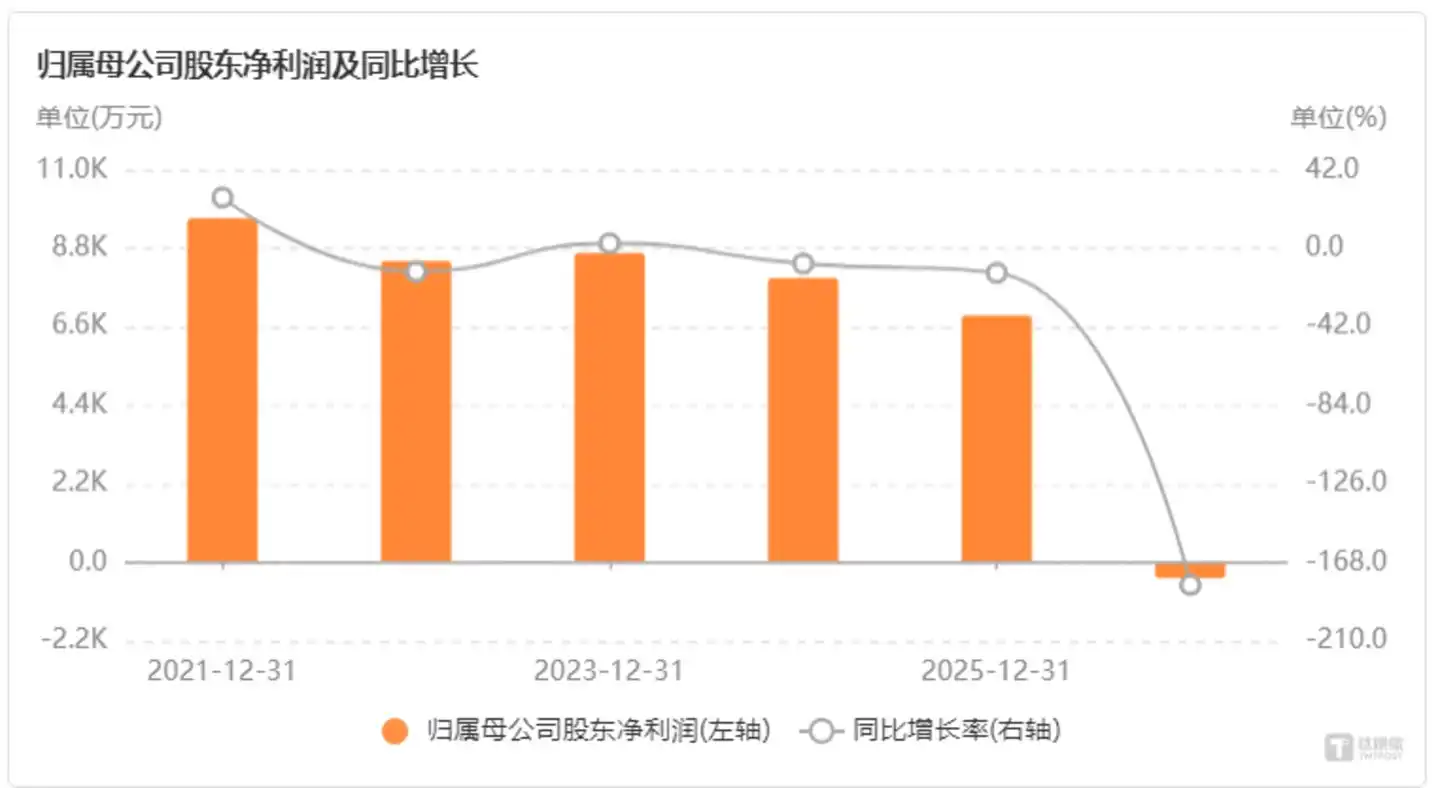
Mivisio said the first-half 2026 earnings forecast was affected by amortization from share-based payments amounting to tens of millions of yuan. Strip out that one-off equity incentive effect, and profitability in the core business was roughly flat from the same period last year.
The company’s core business is its distributed audiovisual control system. For years it kept gross margin above 70%, though that was built on a relatively small revenue base. But as competition got tougher, gross margin in the core business slipped below 70% for the first time in 2025.
That same year, revenue increased 16.58% while net profit fell 13.16%. The gap between top-line growth and bottom-line performance widened.
AI business grew, but profit still fell
Mivisio’s AI business brought in RMB 25.3422 million in revenue in 2025, up 212.59% year over year. Still not enough. Net profit kept falling.
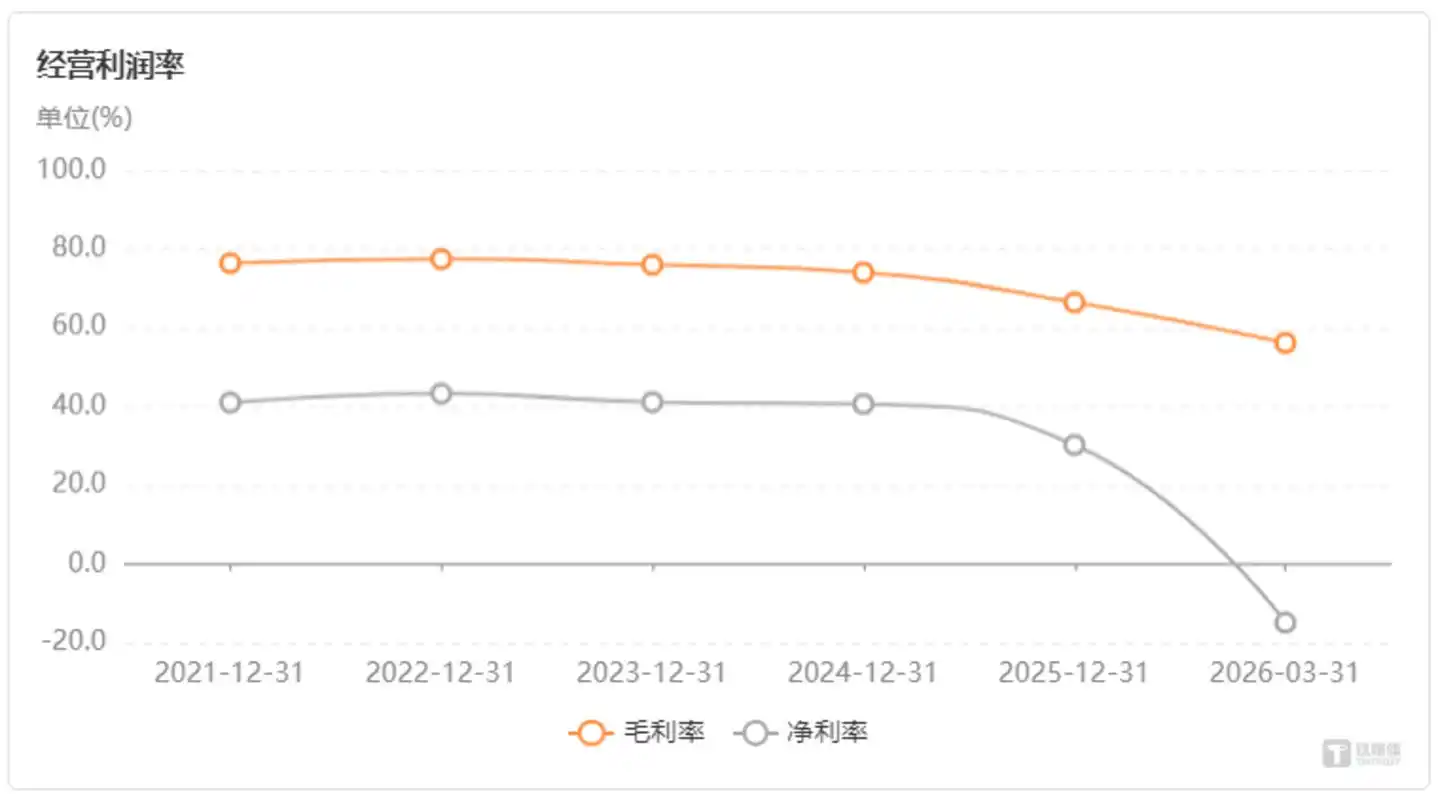
With growth slowing in its main operations and profitability under pressure, the company has turned to acquisitions and a cross-sector project for a new direction. From telling institutions in June 2026 that it was looking at semiconductors and computing power, to formally announcing the indium phosphide project in August 2026, Mivisio has plainly shifted strategy.
Based on current disclosures, the project is still only in its preliminary phase. Whether it goes into full industrialization depends on the first-stage experimental results, as well as later approvals and funding arrangements. For a company with limited cash on hand and weakening profitability in its main business, that planned RMB 200 million to RMB 260 million second-stage investment has become a major market focus.
The original article was credited to Gongsi Guancha, written by Cao Shengyuan and edited by Deng Haotian.