
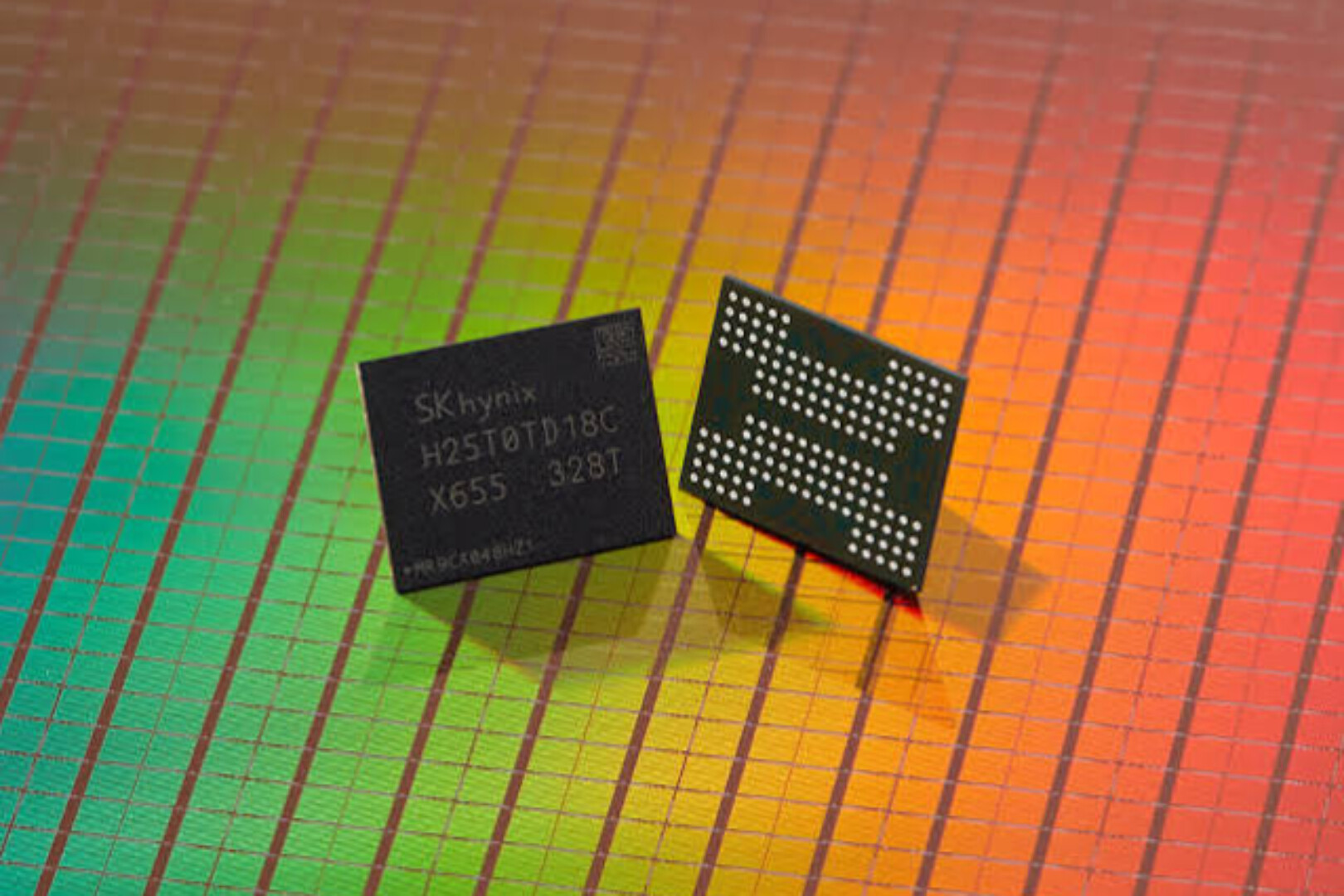
Morgan Stanley’s latest call on the NAND market
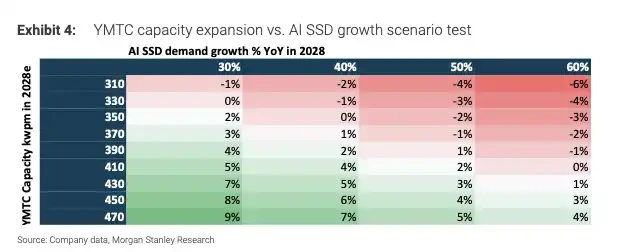
Morgan Stanley’s latest view sends a clear message to the market: the NAND shortage may continue through 2027, and supply-side risks may still persist into 2028. Based on the headline information available, the bank also raised its price target on SIMO to $400, suggesting a more constructive stance on the memory and storage-related supply chain.
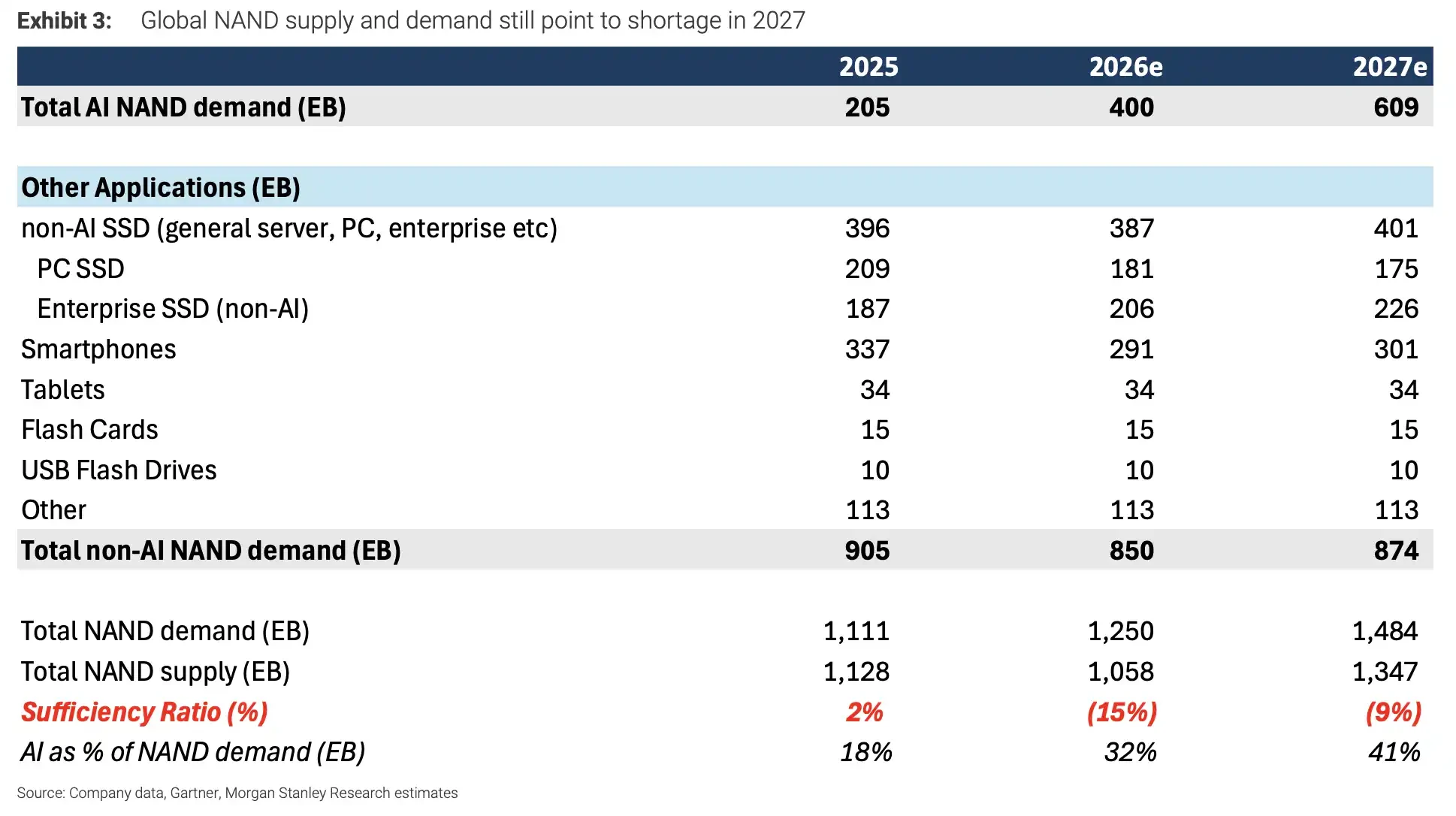
Even though the source item is brief, the main facts are specific and important. First, Morgan Stanley sees a longer-lasting supply tightness cycle in NAND than many investors may have previously assumed. Second, this is not framed as a short-term imbalance only; the mention of 2028 indicates that the bank believes supply risk does not simply disappear after 2027. Third, the target price revision for SIMO implies that this industry view is already feeding into equity valuation models.
AI servers are changing the traditional memory cycle
The most important angle in this update is the role of AI servers. Historically, NAND demand was often discussed in the context of smartphones, PCs, and other consumer electronics categories. In that framework, pricing and inventory trends were heavily tied to classic consumer hardware cycles. Morgan Stanley’s interpretation suggests that this pattern is changing.

AI servers and broader AI infrastructure buildouts are creating a different demand profile for storage. As hyperscalers and enterprise buyers continue allocating capital to AI-related deployments, the memory market may increasingly be driven by data center needs rather than only by handset or PC refresh cycles. That shift matters because it can change both the duration and the shape of the NAND cycle, with stronger and more persistent demand supporting tighter supply conditions for longer.

Why the SIMO target matters
The reported move to lift SIMO’s target price to $400 is meaningful because it reflects more than a single-company rating change. It suggests a broader reassessment of how the market should price companies exposed to storage controllers and the wider memory ecosystem. When analysts revise targets upward in conjunction with a longer shortage outlook, investors usually read that as a sign that margins, pricing power, shipment expectations, or strategic positioning may be more favorable than previously modeled.
In this case, the underlying logic appears tied to the idea that AI-driven infrastructure demand is rewriting the industry cycle. If NAND remains tight through 2027 and supply risk still lingers in 2028, then companies linked to that supply chain may benefit from a more supportive industry backdrop for longer than expected.

Key market takeaway
From a market perspective, the brief update leaves three headline facts. Morgan Stanley raised SIMO’s target price to $400. It expects the NAND shortage to last until 2027. And it believes supply risk may still be present in 2028. Those points are enough to frame the broader market narrative: AI server demand is no longer just an incremental variable; it is becoming a structural force in how investors assess the memory cycle.

Source: Odaily article link provided in the input. The original URL is retained below for reference.