
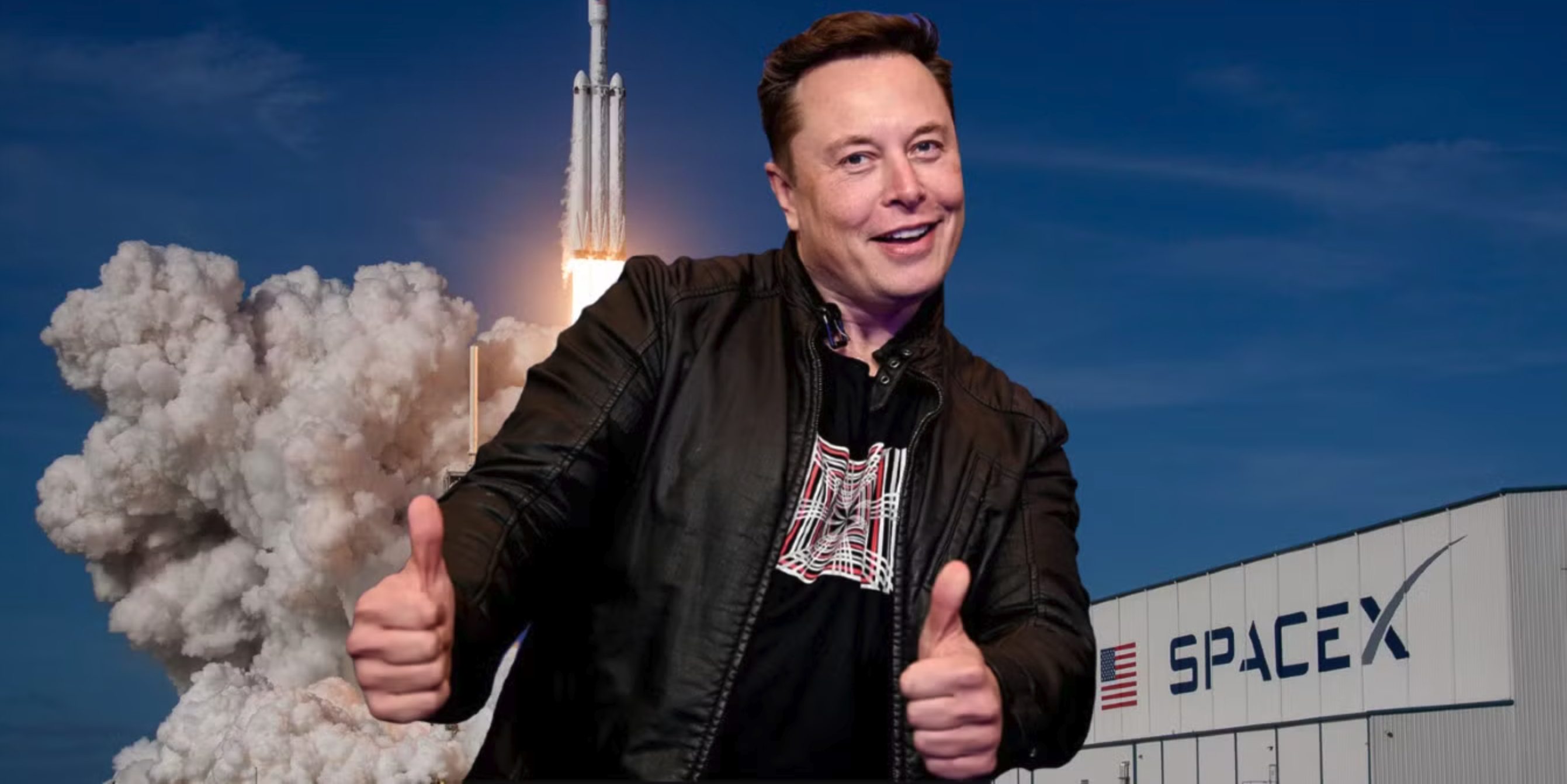
The New York Times published an explosive investigation on Wednesday, revealing that Elon Musk borrowed $500 million from SpaceX in three separate loans between 2018 and 2020, with interest rates so low they were nearly symbolic: the lowest at 0.9% and the highest near 3%, far below the then-prevailing commercial benchmark rate of around 5%.
The report calculates that if Musk had borrowed at market rates, he would have paid roughly $40 million more in interest; instead he paid only about $14 million. In other words, SpaceX effectively saved the billionaire over $26 million in financing costs. All loans were fully repaid with interest by the end of 2021.
SpaceX as a Private Piggy Bank: Bailouts for Tesla, SolarCity, and xAI
The Times investigation compiles a two-decade-long list of financial lifelines SpaceX extended to Musk's other ventures: a $20 million loan to Tesla in 2008 when the carmaker was near bankruptcy; purchases of $255 million in bonds from Musk-affiliated SolarCity in 2015-2016, violating SpaceX's own internal policies; and a bulk order of 1,279 Tesla Cybertrucks widely seen as a strategic move to boost Tesla's sales figures.
Most controversially, SpaceX fully absorbed Musk's cash-burning AI company xAI in 2025, valued at around $80 billion at the time, with the combined X platform valued at roughly $33 billion.
IPO Countdown: The 'Money Highway' Will Be Cut Off After Listing
The timing of the NYT report is sensitive: SpaceX is expected to go public this summer with a target valuation between $1.75 trillion and $2 trillion, aiming to raise about $75 billion in what would be the largest IPO in U.S. history. The S-1 filing is expected in May.
Once listed, Section 402 of the Sarbanes-Oxley Act explicitly prohibits public companies from making personal loans to executives, meaning the type of transactions Musk engaged in will become illegal after the IPO.
The investigation also uncovered that Musk demanded the five IPO underwriters — Bank of America, Citigroup, Goldman Sachs, JPMorgan, and Morgan Stanley — subscribe to his xAI chatbot Grok as a condition of winning the underwriting mandate, with some banks agreeing to pay tens of millions of dollars annually. Critics have dubbed it the 'Grok subscription shakedown,' deepening concerns over Musk's cross-company conflicts of interest.
University of Colorado law professor Ann Lipton told the Times: 'These are conflict-of-interest transactions. This is why investing in someone who runs multiple companies is extremely risky.' Michael Garland, assistant comptroller of the New York City Retirement Funds, specifically criticized Musk's practice of using Tesla stock as collateral, arguing it makes it impossible to separate personal and corporate financial risk.