
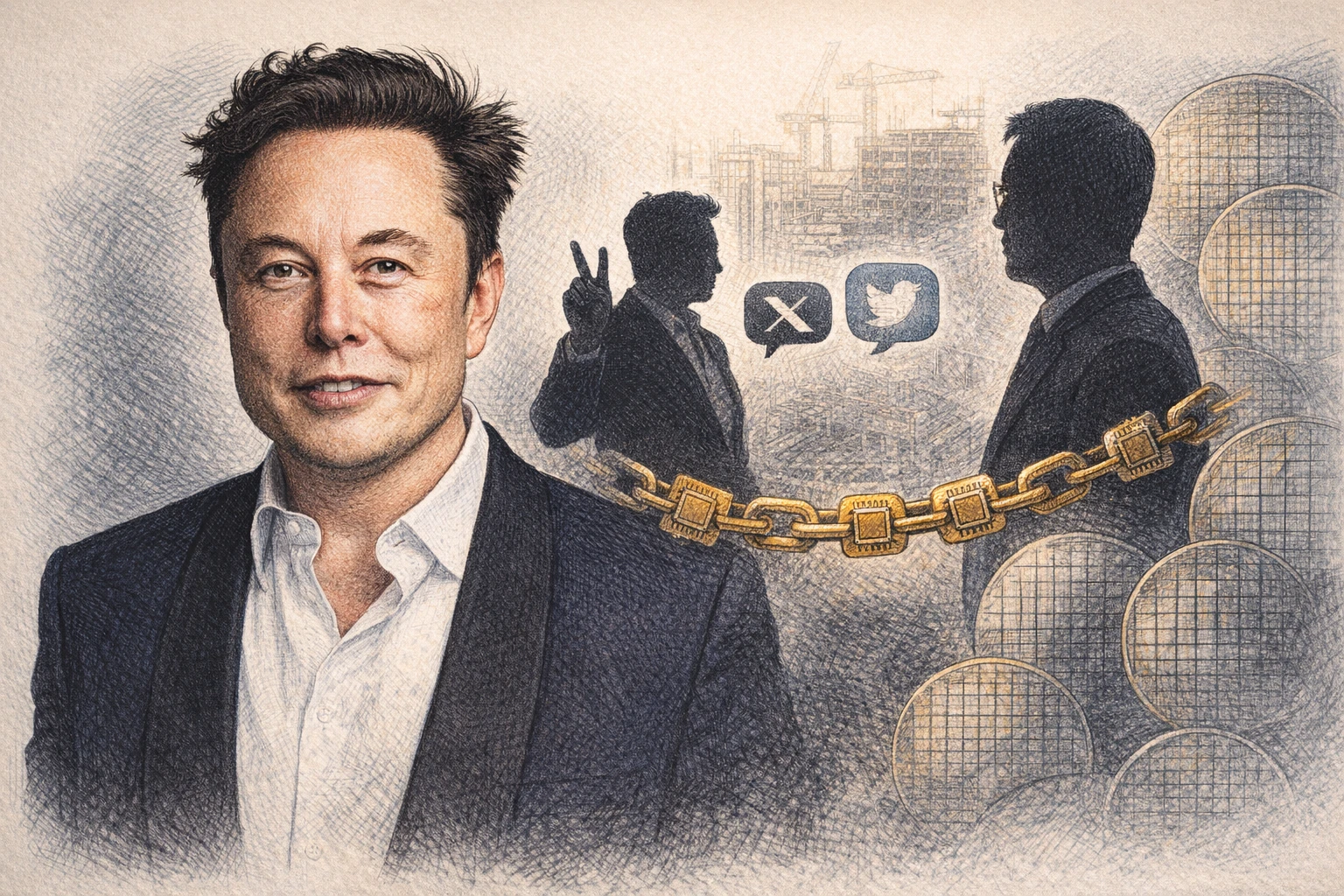
Within 24 hours of news breaking that Terafab was poaching engineers from TSMC in Taiwan, Elon Musk took to X with two posts to cool the situation. He stated unequivocally that SpaceX/Tesla will always be TSMC's largest customers, not competitors in the conventional sense. He added that TSMC simply cannot produce the staggering number of chips needed — if they could, Musk wouldn't have to build his own fabrication.
Largest Customer vs. Capacity Gap
Musk did not deny the poaching; instead, he reframed Terafab's intent as filling a capacity gap. Earlier, Terafab had offered 2x to 3x salaries in Taiwan targeting TSMC's core teams in 2nm and CoWoS packaging. The nine open job categories directly targeted TSMC's technological heart, and within two weeks, over 100 resumes had been submitted.
TSMC Chairman Wei Zhejia responded to media pressure by saying, "We don't underestimate competitors, but there's no shortcut in this industry — building a fab takes 2 to 3 years." He emphasized the time barrier of semiconductor manufacturing, which contrasts with Musk's narrative of demand gaps. Both are speaking from their own perspectives: Wei highlights the construction timeline; Musk highlights the order shortfall.
Talent Flow and Industry Shifts
Even if Musk's "largest customer" pledge holds, the poached engineers won't stay with TSMC. These experienced 2nm/CoWoS professionals will likely become U.S. residents, directly draining TSMC's talent pool in advanced nodes and packaging. Terafab's talent raid in Taiwan, while publicly aimed at addressing global chip shortages, is essentially a zero-sum game for high-value semiconductor expertise.