
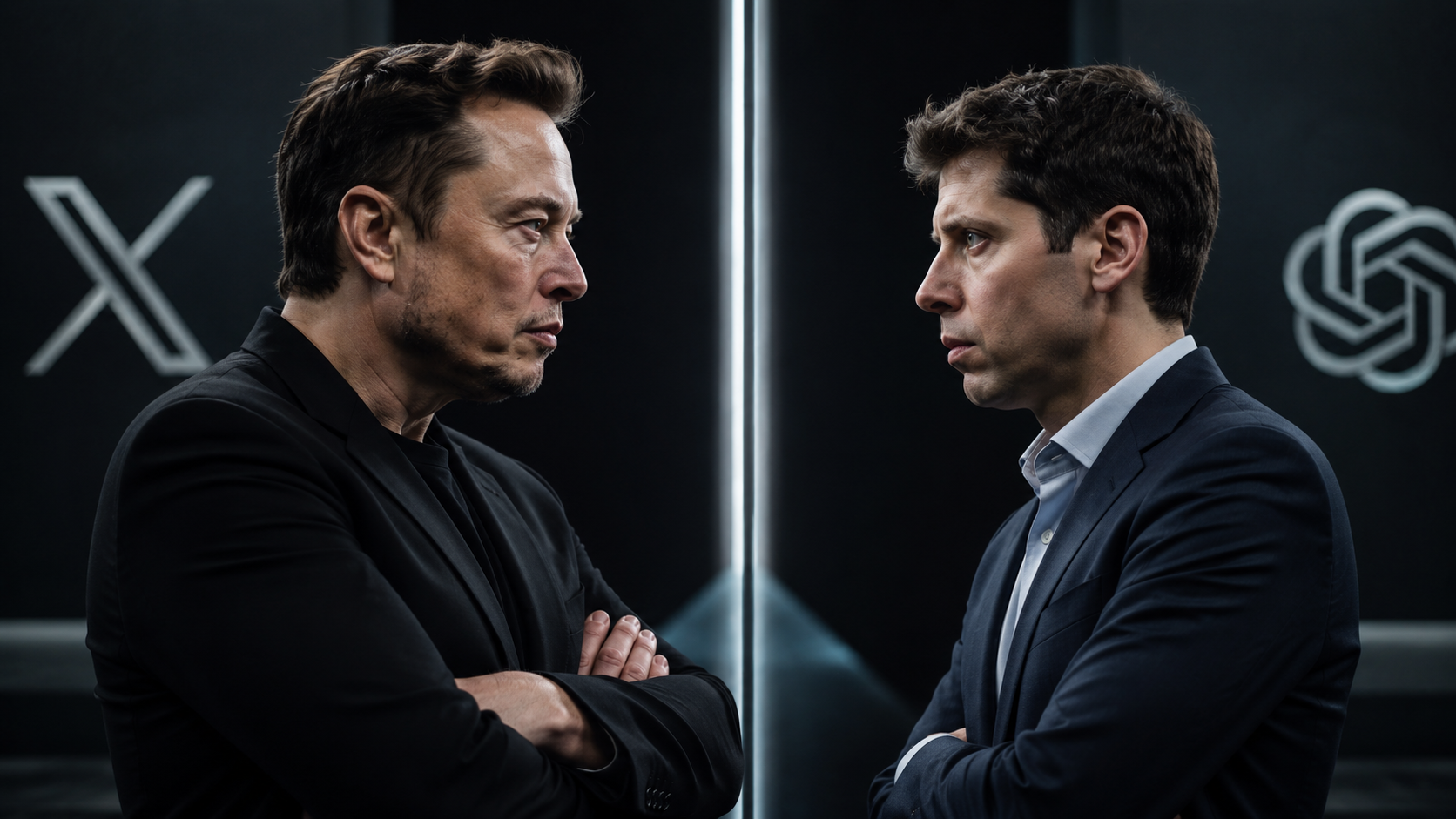
A federal jury in Oakland, California, took just two hours to decide that Elon Musk filed his lawsuit against OpenAI after the legal deadline had passed, wiping out his $134 billion damages claim in full. The ruling ends a two-year court fight and removes a major legal overhang tied to OpenAI’s IPO plans.
Jurors found that Musk knew around the time he left OpenAI in 2018 that the organization was moving toward a for-profit structure, making his 2024 lawsuit too late. District Judge Rogers said there was substantial evidence supporting the jury’s finding, then accepted its recommendation that OpenAI, Sam Altman, and president Greg Brockman had not acted unlawfully. Microsoft was also found not to have aided any breach of charitable trust duties.
Musk plans an appeal while xAI keeps its own case alive
The loss did not end Musk’s legal push. His lawyer, Marc Toberoff, said after the verdict that the outcome was fundamentally unjust, and Musk has already said he will appeal. Clear and direct.
At the same time, Musk’s xAI is expected to keep pursuing a separate case accusing OpenAI and Microsoft of antitrust violations and theft of trade secrets. Microsoft welcomed the verdict. OpenAI’s legal team answered with a sharper line, saying the jury’s decision showed the case was a hypocritical attempt by a rival to damage a competitor.
IPO path looks clearer after the verdict
For OpenAI, the ruling carries weight beyond a courtroom win. With this major case resolved, attention shifts back to its public listing plans. The report said OpenAI is valued at $852 billion, and that it completed a $122 billion funding round in March 2026. Goldman Sachs, JPMorgan, and Morgan Stanley are listed as joint lead underwriters, with a target of going public as early as the fourth quarter of 2026.
That timeline is still not fixed. Analysts cited in the report said market conditions could shift, pushing an actual listing into mid-to-late 2027. Northwestern law professor Horwitz also said that even if this case is over, outside scrutiny of whether OpenAI has truly met its nonprofit obligations is likely to continue.
The dispute traces back to OpenAI’s founding years
The conflict reaches back to 2015, when OpenAI was first established. Musk was one of its co-founders and contributed $38 million, backing the idea of advancing AI research through a nonprofit structure. In 2018, after a power struggle with Sam Altman and Greg Brockman, he left the organization. OpenAI later secured tens of billions of dollars from Microsoft and climbed to an $852 billion valuation.
In 2024, Musk sued, alleging that Altman and Brockman had taken a charitable organization and turned it into a company focused on commercial gain, while seeking $134 billion on an unjust enrichment theory. The jury has now delivered a clear answer on that case, though the broader fight around OpenAI is still not finished.