
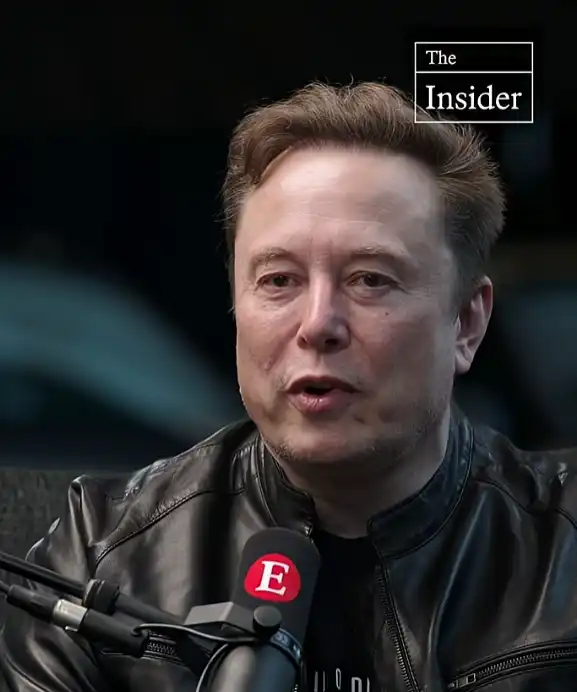
According to BlockBeats, a video of Elon Musk’s interview with The Economist was released on July 23, and the exchange showed Musk in a heated back-and-forth with editor-in-chief Zanny Minton Beddoes over his rhetoric, the media’s role, and how the public views him.
Beddoes accuses Musk of spreading false panic and far-right rhetoric
In the interview, Beddoes said Musk was out of touch and had abused his influence by spreading false panic about Europe and far-right rhetoric. She told him: “You describe to me these extraordinary, civilization-changing events that are going to happen over the next 10 years. And yet you are also a serial participant in the worst tribal shit pit of social media.”
Musk rejects allegations of racism
Musk answered by pointing to his family and the makeup of his companies. He said his partner, Neuralink executive Shivon Zilis, is half Indian, and that they have four children together. He added that one of the children is named after a famous Indian physicist, and said that for that reason he does not see himself as racist.
He also said that if people look at the employees at his companies, they will find executives from different races, adding that he does not believe racial discrimination exists there.
Dispute extends to media labels and the UK security situation
During the interview, Musk told Beddoes that media outlets represented by The Economist were wrong to label people as “far right,” calling that description absurd, false and misleading.
Beddoes responded by saying Musk had claimed that civil war in the UK was only a matter of time, but said that was not true. She also said that public security conditions in the UK are better than in any city in the United States.
The exchange ends with direct personal criticism
Near the end of the interview, Beddoes told Musk plainly: “You are out of touch. Lots of people loathe you.”
Musk replied: “I don’t care. I have 250 million followers. I think there are a lot more people who like me than don’t like me. And I think there are a lot more people who loathe you and the media than you think.”