
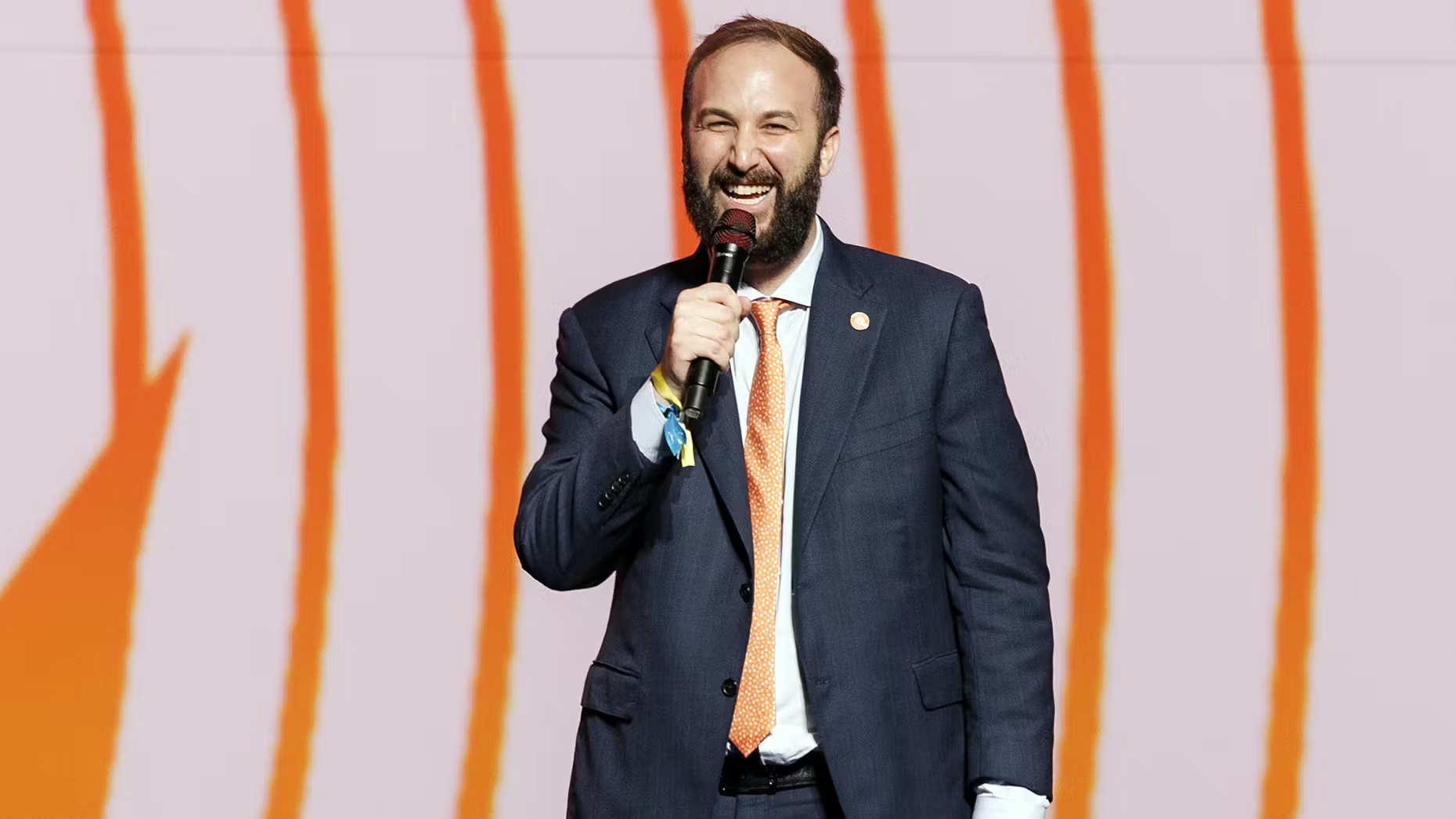
David Bailey, a self-proclaimed Medici of Bitcoin, has executed a meticulously designed capital operation that left retail investors holding the bag. His vehicle: Nakamoto Holdings (ticker $NAKA), touted as a Bitcoin treasury tool. The story began in May 2025 when a zombie company called KindlyMD announced a merger with Bailey's Nakamoto Holdings. Shares surged from $2 to over $30 in days, drawing a flood of retail buyers. Nine months later, the stock sat at $0.29, and Bailey just used that very equity to acquire his own two private companies at four times the market price—without shareholder approval.
Pump and Dump: Insider Access at $1.12 vs. Retail at $30
The merger came with a $510 million PIPE and $200 million convertible notes. The catch: PIPE investors—including Udi Wertheimer, Jameson Lopp, and Adam Back—bought in at $1.12 per share, while retail paid $28, $30, or more. That asymmetry was baked into the structure from day one. At its peak, $NAKA traded at 23 times net asset value, meaning investors paid $23 for every $1 of Bitcoin on the balance sheet. MicroStrategy never commanded such premium. By September, the stock had crashed 96%. Early PIPE investors cashed out after the August merger, and Bailey told short-term holders to leave. They did. The stock plunged below $1, then $0.50, then $0.30. A company holding roughly 5,765 Bitcoin (worth over $500 million) had a market cap below $300 million.
Debt Spiral: Three Lenders in One Week
As shares collapsed, Bailey cycled through lenders like a gambler. Initially, Yorkville Advisors held $200 million in convertible notes convertible at $2.80. When NAKA fell below that, the debt threatened to wipe out equity. On October 3, Nakamoto borrowed $203 million from Two Prime Lending to redeem Yorkville. Four days later, it borrowed $206 million in USDT from Antalpha at 7% interest, with a 30-day term. A planned $250 million 5-year secured convertible note from Antalpha never materialized. On December 16, it borrowed $210 million USDT from Kraken at 8%, collateralized by Bitcoin at 150%. Each new loan tightened the noose, while lenders remained protected and common shareholders bore the reflexive collapse.
Accounting Nightmare and Delisting Threat
In November, Nakamoto filed a 12b-25 with the SEC, admitting it couldn't file quarterly results on time due to merger accounting complexity. Preliminary numbers revealed: $59.75 million loss on the acquisition, $22.07 million unrealized digital asset losses, $1.41 million realized Bitcoin sale losses, and $14.45 million debt extinguishment losses—a quarterly loss around $97 million. On December 10, Nasdaq warned Nakamoto of delisting risk after shares traded below $1 for 30 consecutive days. The stock now sits at $0.29.
The Heist: Buying His Own Empire at 4x Market Price
Bailey announced a definitive merger agreement to acquire BTC Inc (owner of Bitcoin Magazine and organizer of Bitcoin conferences) and UTXO Management (a Bitcoin-focused hedge fund). Bailey is chairman and CEO of the buyer, and founder of the sellers. He quietly handed the CEO title to Brandon Greene weeks earlier. The deal is funded entirely with NAKA stock, priced at $1.12 per share via embedded call options in the original merger documents—while the stock trades at $0.29. BTC Inc and UTXO holders will receive 363.6 million shares, worth $107.3 million at market but priced at a 4x premium. No shareholder approval needed; the options were embedded in the original merger papers voted on when NAKA traded at $20-$30.
Bailey raised $710 million from over 200 investors, promising a Bitcoin financial dynasty. He delivered a 99% loss. He holds 11 million shares at $1.12; Adam Back holds nearly 9 million. These Bitcoin narrative-shapers bought in at prices retail could never access. Bailey now controls the magazine, the conferences, and a hedge fund, all inside a public company worth less than its Bitcoin holdings—funded by stock priced at 4x market value. He has filed a $5 billion ATM offering with the SEC, ready to keep ringing the register until nothing is left.