
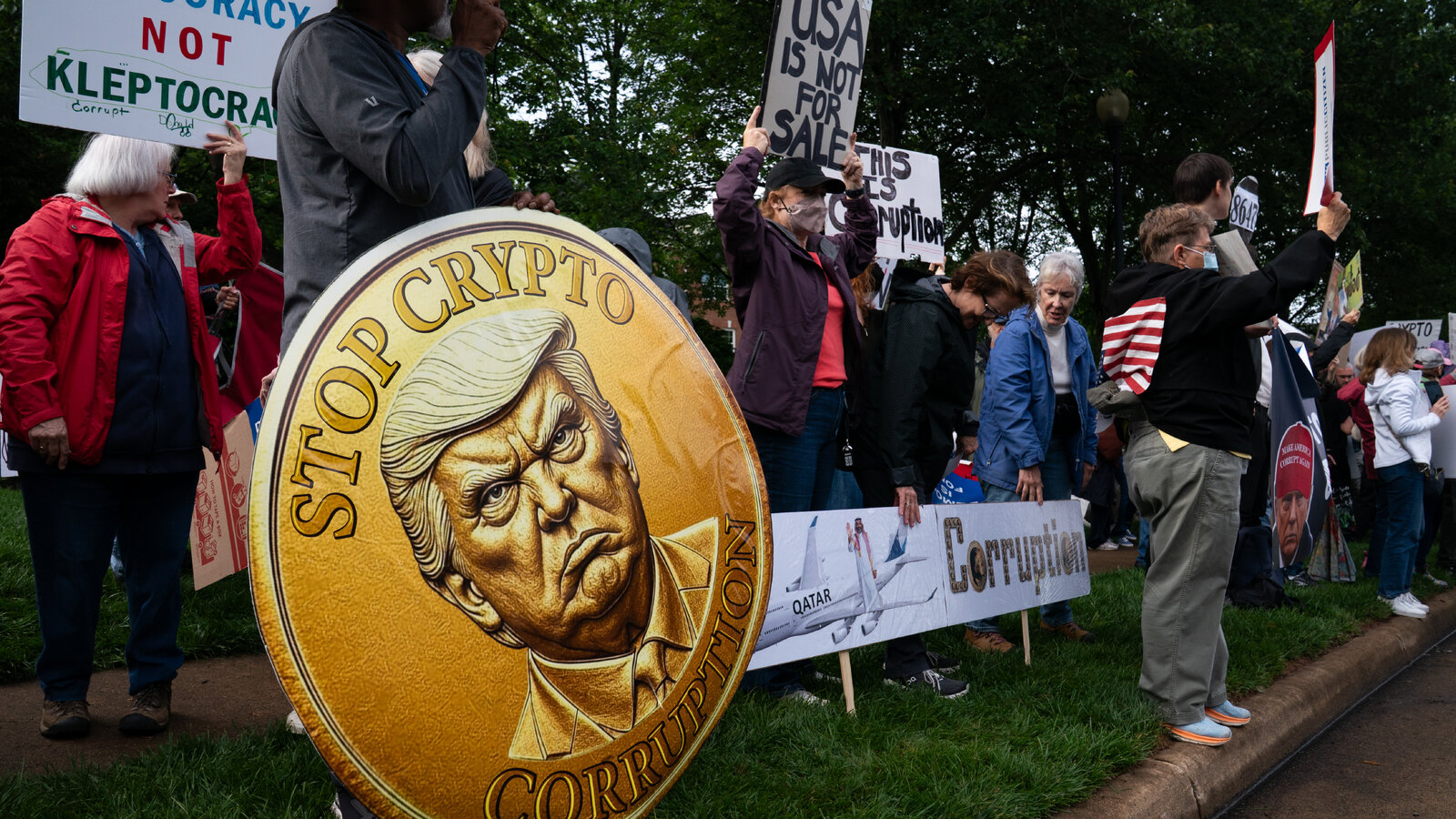
Nansen, a blockchain analytics firm, said its latest tally shows that by the end of June 2026, nearly 1 million investors who bought U.S. President Donald Trump’s memecoin TRUMP were holding losses. Their combined losses were estimated at $3.81 billion. The figures point to a deeply negative outcome for a large group of crypto buyers who entered the trade after being drawn in by Trump’s brand and public promotion.

Large investor losses contrasted with Trump’s disclosed gains
The assessment was published this week, shortly after Trump signed his annual financial disclosure. That filing showed he received a $636 million payout from the related crypto bet, while total income from all of his business ventures in 2025 reached at least $2.2 billion. In other words, while a broad base of token buyers ended up in the red, the project’s associated insiders had already realized substantial gains.

According to the report, the structure of the TRUMP token was favorable to Trump regardless of market direction. He could benefit as long as trading activity continued, whether the token price rose or fell. The article adds that Trump repeatedly encouraged participation in the token through posts on Truth Social, helping drive ongoing trading volume and attention around the coin.
From crypto skeptic to aggressive crypto promoter
Trump had previously expressed skepticism toward cryptocurrencies, but he embraced the sector’s profit potential during the 2024 presidential campaign. He and his sons launched the crypto startup World Liberty Financial, which later began selling the WLFI token. The report notes that WLFI has also declined sharply, adding to concerns over the performance of Trump-linked crypto products.

Three days before his inauguration, Trump rolled out another Trump-branded crypto investment: the TRUMP memecoin. The article characterizes it as a novelty token with limited practical utility, driven more by political branding and speculative trading than by fundamental use. Taken together with Nansen’s latest estimate, the picture is stark: the token attracted a massive retail following, but the overall outcome heavily favored the issuer side while a large number of holders were left with losses.