
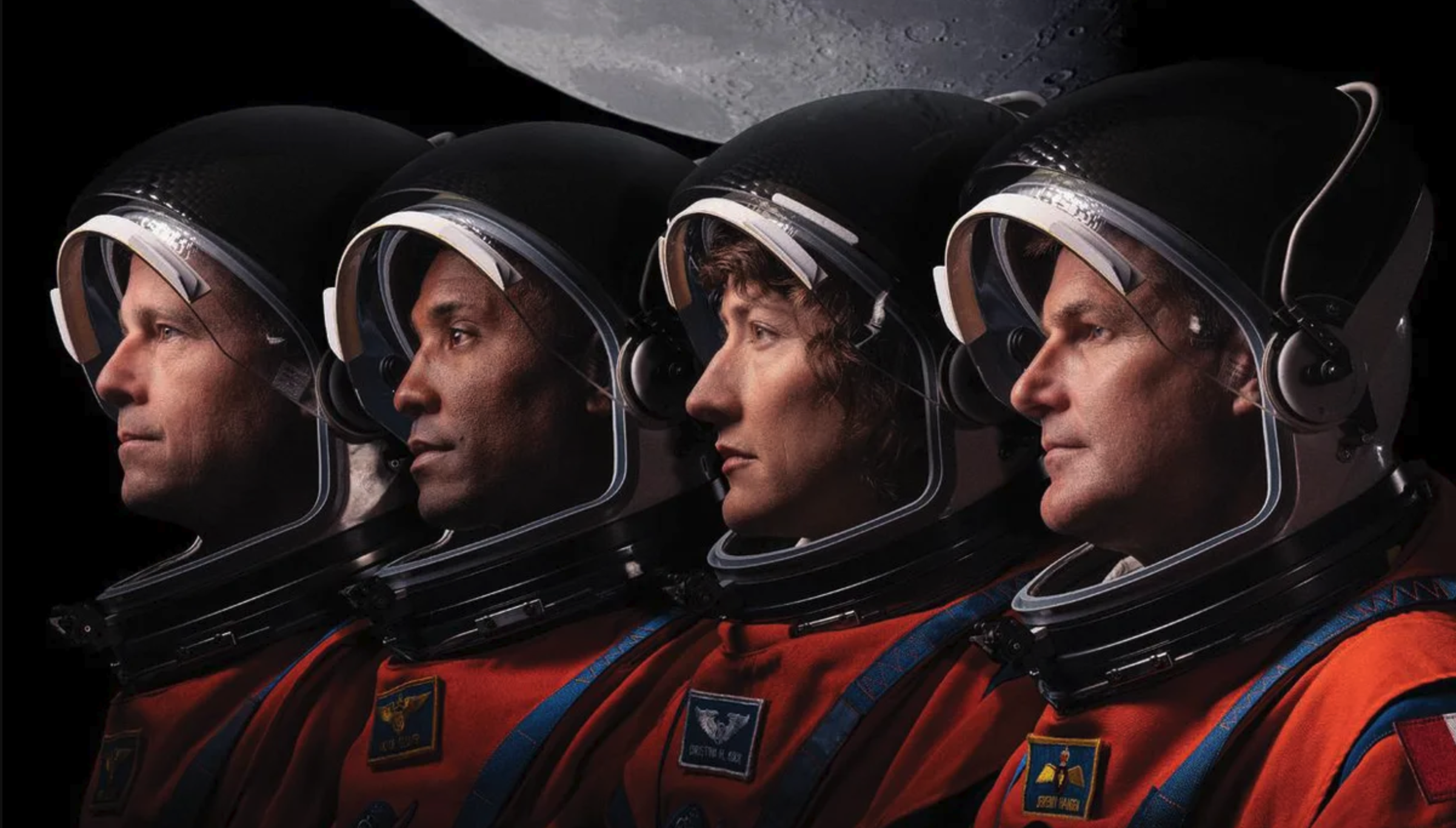
NASA has begun the 48-hour countdown for Artemis II, with liftoff scheduled for 6:24 p.m. Eastern Time on April 1, or 6:24 a.m. Beijing time on April 2. The mission will send four astronauts around the Moon and back, making it the first crewed lunar flyby since Apollo 17 in 1972. There will be no lunar landing on this flight.
SLS rocket to carry crew on a 10-day lunar loop
The mission will use NASA’s Space Launch System, a rocket described as standing 32 stories tall. After launch, the spacecraft is expected to spend about a day in Earth orbit while systems are checked. Orion will then perform the burn toward the Moon, complete a flyby near the lunar surface, and return directly to Earth. The mission is expected to last about 10 days and end with a splashdown in the Pacific Ocean.
NASA said the launch will be available through its free NASA+ streaming platform, with simultaneous coverage on official social media channels. Forecasts currently show an 80% chance of acceptable launch weather. Cloud cover and strong ground winds remain the main concerns.
Mission reached the pad after technical delays
Artemis II had originally been targeted for February, but the schedule slipped because of a hydrogen fuel leak. After engineers addressed that issue, they found a blockage in a helium pressurization line. The rocket was sent back to the hangar late last month for more work before returning to the launch pad near the end of March.
Launch director Charlie Blackwell-Thompson said the team had worked hard to reach this point and that all signs currently looked “very, very good.”
Crew lineup carries several historic firsts
The four-person crew includes commander Reid Wiseman, pilot Victor Glover, mission specialist Christina Koch, and Canadian astronaut Jeremy Hansen. NASA has highlighted the crew makeup as part of the mission’s historical weight: it includes a woman, a person of color, and a non-American astronaut on a crewed lunar mission.
Artemis II will also mark the first crewed flight of the SLS heavy-lift rocket. For NASA, that makes this launch more than a test of hardware. It is the point where the agency’s return-to-the-Moon program moves into human flight operations.