
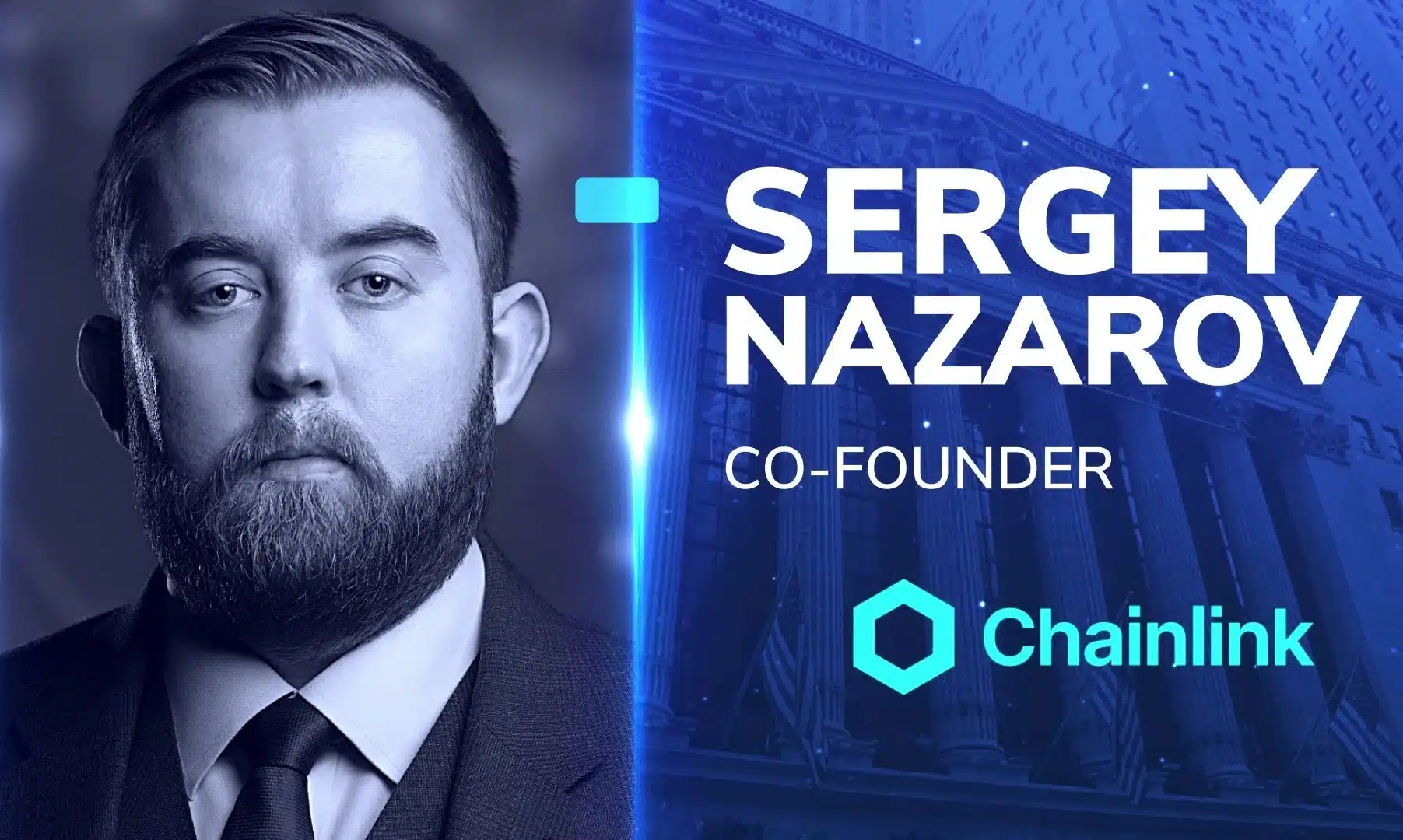
Chainlink co-founder Sergey Nazarov says the current crypto market downturn stands apart from earlier bear cycles. In his view, this phase has not produced major institutional failures on the scale of the FTX collapse or the crypto lending crises seen in 2022. Prices are weak, but the market structure has not broken in the same way.
No major institutional collapse like the last cycle
In a post on X, Nazarov said market cycles remain a normal part of crypto, yet the present decline points to real progress inside the industry. He argued that the absence of large risk management failures shows the market has become more resilient and better able to absorb volatility. That matters. It suggests the sector is handling stress with fewer systemwide breakdowns than in prior downturns.
Tokenized real-world assets keep expanding during the slump
Nazarov also singled out tokenized real-world assets, or RWAs, as a defining feature of this bear market. Data from RWA.xyz shows tokenized RWAs have increased by 300% over the past year. For him, that rise is evidence that on-chain asset tokenization carries value beyond speculative trading and short-term moves in cryptocurrencies such as Bitcoin.
The report points to continued growth in areas including on-chain perpetual contracts and commodity tokenization. Nazarov said these developments are increasing demand for more sophisticated infrastructure, while also supporting institutional adoption of blockchain technology. Crypto prices may be under pressure, but parts of the on-chain economy are still expanding.
RWA value could eventually exceed cryptocurrencies
He also addressed the broader shape of the current cycle. Some analysts have linked the downturn to outside pressures, including concern around the AI technology boom and liquidity issues in the traditional financial system. Even so, Nazarov believes the crypto market is moving onto a different path. If the trend continues, he said, tokenized RWAs could eventually surpass cryptocurrencies in value and reshape the future direction of blockchain.
The article notes that Chainlink’s LINK token has fallen sharply over the last year. Nazarov, though, remains optimistic. He sees the steady rise of RWA tokenization as a sign that this downturn may be more than a price correction, and that it could help lay the groundwork for a stronger connection between blockchain systems and institutional finance.