
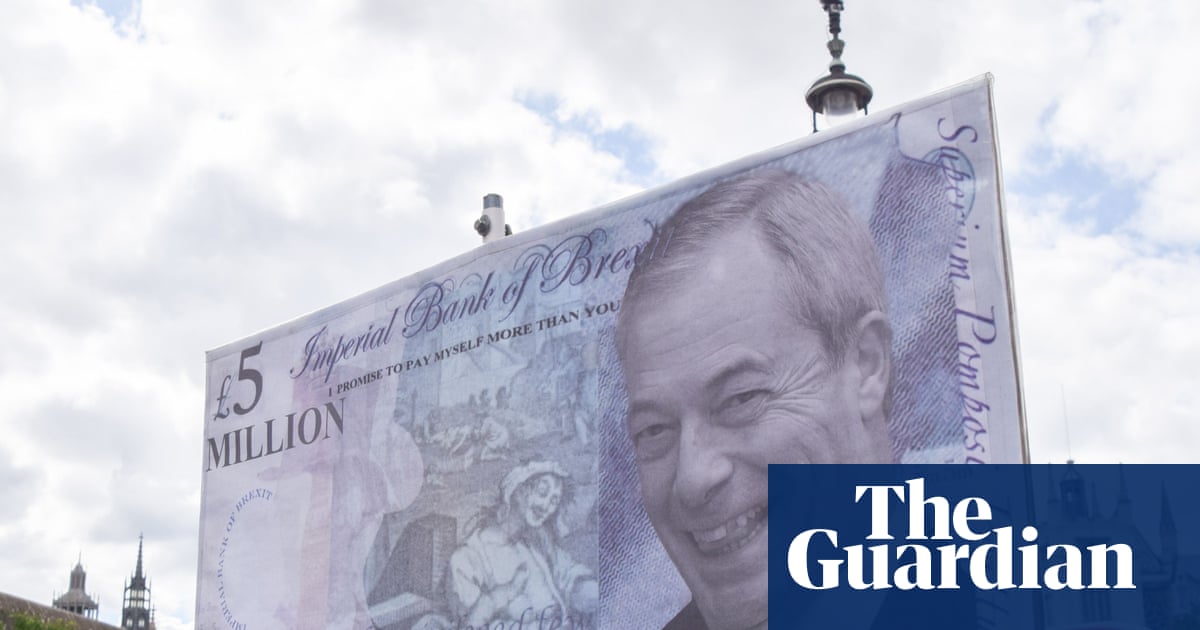
Stack BTC's 15% Plunge: A Cautionary Tale of Celebrity Endorsement
Stack BTC, the bitcoin treasury company prominently promoted by Reform UK leader Nigel Farage, has lost 15.48% of its asset value since its launch in March 2026, translating to a direct loss of approximately £565,000. Farage himself holds a 5.61% stake—making him the second-largest shareholder—and has personally invested £215,000. The company's model involves buying bitcoin on behalf of shareholders and using the cryptocurrency's appreciation to acquire other businesses, but market movements have gone against it.

Susannah Streeter, chief investment strategist at Wealth Club, commented: "Such a steep fall in value shows just how brutally volatile these assets remain, and companies that simply stack up bitcoin holdings have no diversification cushion to soften the blow when prices turn." The event has reignited debates about the risks of celebrity-backed crypto investments.
Farage's Dual Role: Shareholder and Promoter
Farage's involvement goes beyond share ownership. Earlier this year, he appeared in a promotional video showing him spending £2 million of the company's money on bitcoin. While a Reform spokesperson insisted Farage has no formal "brand ambassador" role and simply bought shares, critics argue his public endorsement amounts to marketing high-risk financial products to the public.
The controversy is compounded by Farage's undisclosed financial ties. He is currently under a parliamentary standards investigation for failing to declare a £5 million gift from crypto billionaire Christopher Harborne. The connection raises questions about whether the gift influenced Farage's stance on cryptocurrency deregulation—his party previously proposed a "bitcoin reserve fund" and allowing HMRC to accept crypto tax payments.
Ownership Structure and Key Figures
Stack BTC's largest shareholder is Paul Withers, who owns 20.72% of the company. Withers also owns Direct Bullion, a gold dealer that recently paid Farage £270,000 for 12 hours of promotional work. Farage's 5.61% stake makes him the second-largest, and together the two are the only shareholders with enough shares (over 5%) to exercise voting rights. Former UK Chancellor Kwasi Kwarteng serves as executive chair, holding 3.55% of shares.
The intertwining of political figures and crypto business interests has drawn scrutiny. Farage and the Reform UK party have advocated for lighter crypto regulation, including a proposed bitcoin reserve fund and allowing HMRC to accept cryptocurrency for tax payments.
Expert Warnings: Celebrity Endorsement ≠ Safety
Susannah Streeter warned that celebrity endorsement can give an investment "a veneer of legitimacy the underlying asset doesn't deserve." She noted: "People see a recognisable name putting their own money in and assume it de-risks the investment, but that is often far from the case."
Peter Schiff, the stockbroker who correctly predicted the 2008 financial crash, said: "I like Nigel Farage, but I would advise against investing in any bitcoin treasury company." He added that politicians promote such companies to win votes from bitcoin owners.
Dan Coatsworth, head of markets at AJ Bell, pointed to a red flag: "If you look back at Stack BTC’s history, the company has changed its name multiple times. In January, it announced an intention to build a portfolio of high-quality, cash-generative businesses. That sounds impressive, but there is a big difference between wanting to do something and achieving it. So far, Stack BTC has nothing to show but a series of ill-timed bitcoin investments."
Political Reaction and Regulatory Outlook
Liberal Democrat MP Lisa Smart condemned Farage: "It's a disgrace that whilst the country grapples with the cost of living crisis, Nigel Farage is busy encouraging people to put money into what could be highly risky crypto investments. Liberal Democrats would immediately ban MPs trying to flog specific financial services and products." Stack BTC declined to comment.
For professional investors, the case underscores several lessons: the extreme volatility of crypto-only portfolios, the risks of conflating celebrity endorsement with investment merit, and the need for rigorous due diligence—especially when political figures are involved. The ongoing standards investigation into Farage may further shape UK policy on crypto promotion by public officials.