
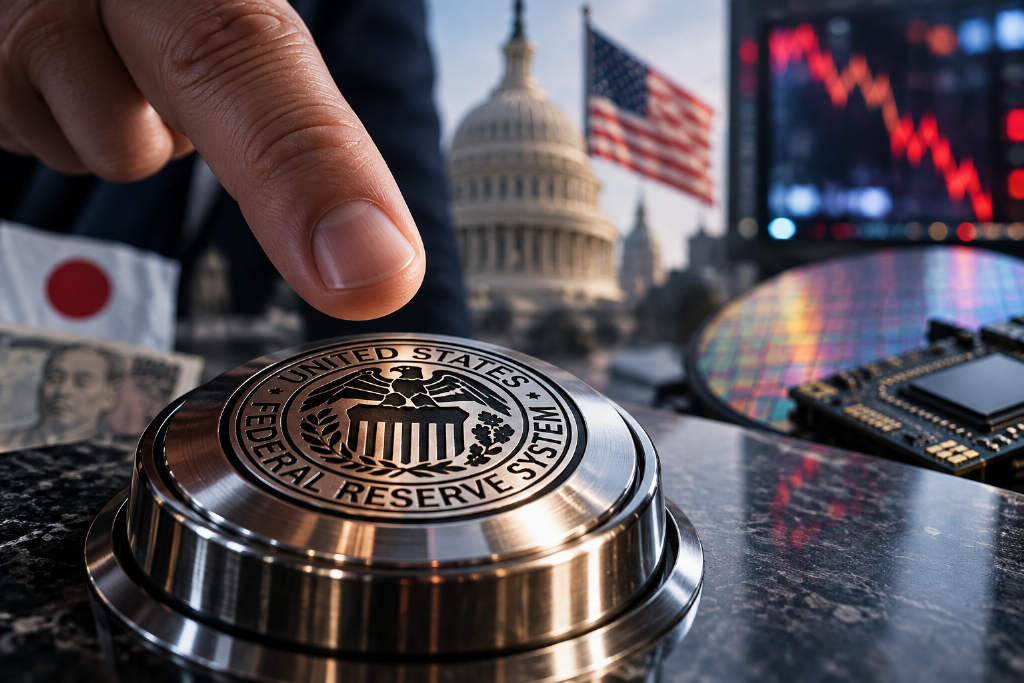
Global technology stocks remain under pressure, and hopes that the U.S. midterm elections could clear the way for a rebound are misplaced, according to Nomura strategist Naka Matsuzawa.
In a macro strategy weekly dated Oct. 30, Matsuzawa said the election outcome matters far less to equities than many investors expect. The only catalyst he sees with the power to truly end the tech selloff is a stop to Federal Reserve rate hikes.
For the week of the Nov. 2 vote, he expects U.S. stocks to trade soft, bonds to strengthen, the dollar to weaken and the yen to firm. In his view, the weakness in technology shares is not rooted in election uncertainty. It comes from two deeper themes: pressure on the outlook for AI investment and ongoing credit concerns. That is why a short-lived bounce in semiconductor shares, he argues, lacks the breadth and staying power needed to pull the broader global tech sector higher.
The market may be overstating the election effect
The dominant market view has been that if Democrats win both chambers of Congress, U.S. stocks would fall, bonds would rise and the dollar would weaken. The reasoning is tied to fears of fiscal gridlock and tighter AI-related regulation, including restrictions on data center construction.
Matsuzawa is skeptical. He points to two pieces of evidence. First, event premium tied to the midterm elections has already fallen noticeably in futures and other markets. Second, stocks expected to be hit by tougher regulation have not shown clear underperformance versus the broader market.
That suggests the current decline in tech shares is not necessarily linked directly to fears of tighter regulation. It also suggests the election itself may not be the market’s main driver. On that basis, Matsuzawa concludes that the end of the election will not remove the uncertainty hanging over technology stocks, and investors betting on a post-election rebound are likely to be disappointed.
Rotation inside tech does not explain the whole picture
Over the past week, the technology sector has shown a clear internal split. Semiconductor stocks, which had led declines since July, rebounded, while hyperscalers and software names that had held up relatively well earlier moved lower.
Matsuzawa says this should not be read simply as sector rotation. He sees a deeper shift in investor behavior. One pattern is that the market is not rewarding upside surprises in core revenue and earnings very much, while punishing misses harshly. Another is that investors prefer restrained spending, stronger cash flow and better shareholder returns over aggressive capital expenditure plans.
In his reading, that reflects concern that AI investment could slow sharply. U.S. semiconductor stocks support the point only partially: the SOX index rose 6.9% this week, but semiconductor shares in Japan and South Korea have not truly emerged from their correction. Capital goods and machinery stocks, often treated as leading indicators for a recovery in AI investment expectations, have also failed to improve. That, he says, shows confidence in the AI spending outlook has not materially recovered.
Credit worries and rate expectations remain central
Bond markets offered another signal this week. Credit concerns eased somewhat, yet long-end U.S. yields fell while long-end yields in Japan and Germany rose. Matsuzawa attributes that divergence to the gap between market expectations and the tone of recent central bank meetings.
He says the Federal Reserve sounded more dovish than expected and acknowledged that financial conditions had tightened. The European Central Bank also acknowledged tighter financial conditions, but clearly signaled a December rate hike. The Bank of Japan, by contrast, did not mention tighter financial conditions, said underlying inflation had reached 2%, and raised its inflation forecast.
As for why corporate credit concerns eased this week, Matsuzawa offers two interpretations. One is that lower expectations for additional U.S. rate hikes did most of the work. The other is that tech earnings and the IPO outlook improved confidence in companies’ ability to raise funds. Given the weak performance of hyperscalers this week, he leans toward the first explanation.
He adds that if the next U.S. employment report beats expectations, it could push up Fed hike expectations again and reignite credit concerns, making the market backdrop more complicated.
Dollar and yen are still being driven by credit sentiment
In foreign exchange, the dollar strengthened this week while the yen came under pressure, with USD/JPY moving down into the 157.5 to 158.0 range. Matsuzawa says that was somewhat surprising because lower U.S. rate-hike expectations would normally weigh on the dollar.
His explanation is that easing credit concerns helped semiconductor and bank stocks rebound, supporting the relative performance of U.S. equities and drawing money back into dollar assets. If those rebounds fail to hold, the lower-rate-expectations story would regain control and the dollar could face heavier downside pressure.
On the yen, speculative FX positioning data through Oct. 20 show that long yen positions have increased. Even so, the current size of those positions is only 39% of the peak seen during the U.S. tariff shock in April 2025, which he says leaves room for further long buildup.
Nomura’s bottom line: the Fed is the key
Matsuzawa says it is hard to identify any catalyst capable of pulling global technology stocks out of their slump right now. Election results, sector rotation and individual earnings reports are not enough to change the sector’s underlying logic.
In the report, he wrote that the most important potential catalyst he can identify is the end of the Fed’s rate-hike cycle. Until that happens, technology stocks are likely to remain under valuation pressure from tight financial conditions, while doubts over the sustainability of AI investment are unlikely to fade.
He therefore kept his core call unchanged: before the Fed truly shifts policy, global technology stocks are unlikely to stage a meaningful systemic rebound.


