


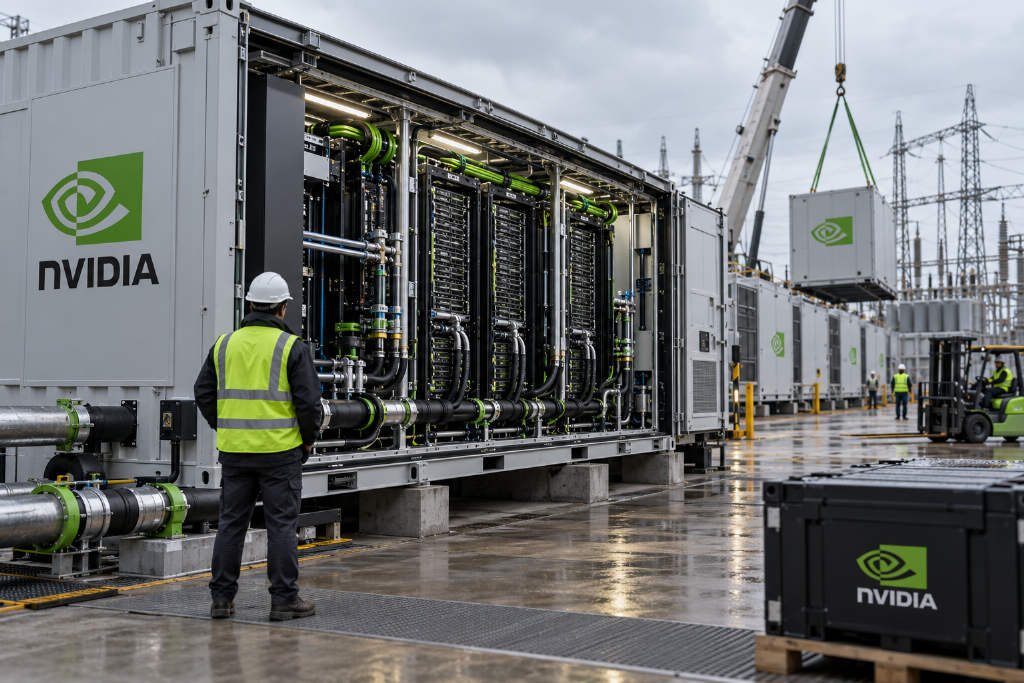
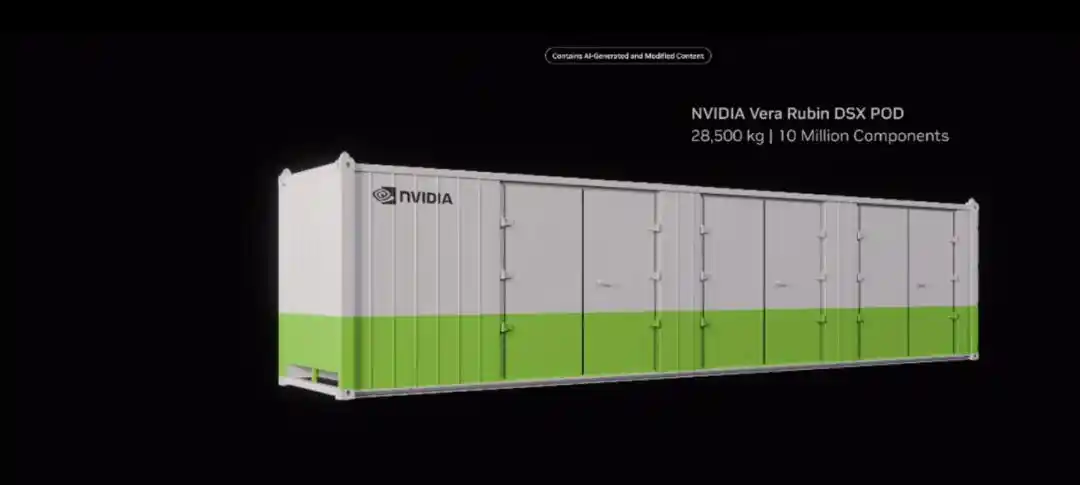
Nvidia has rolled out DSX POD, a modular AI factory infrastructure line built to shorten the time between site preparation and live token generation. The company said deployments that once took six months can be compressed to as little as 14 days by pre-integrating Vera Rubin-based compute systems, networking, rack-scale power and liquid cooling inside modular containers before shipment.
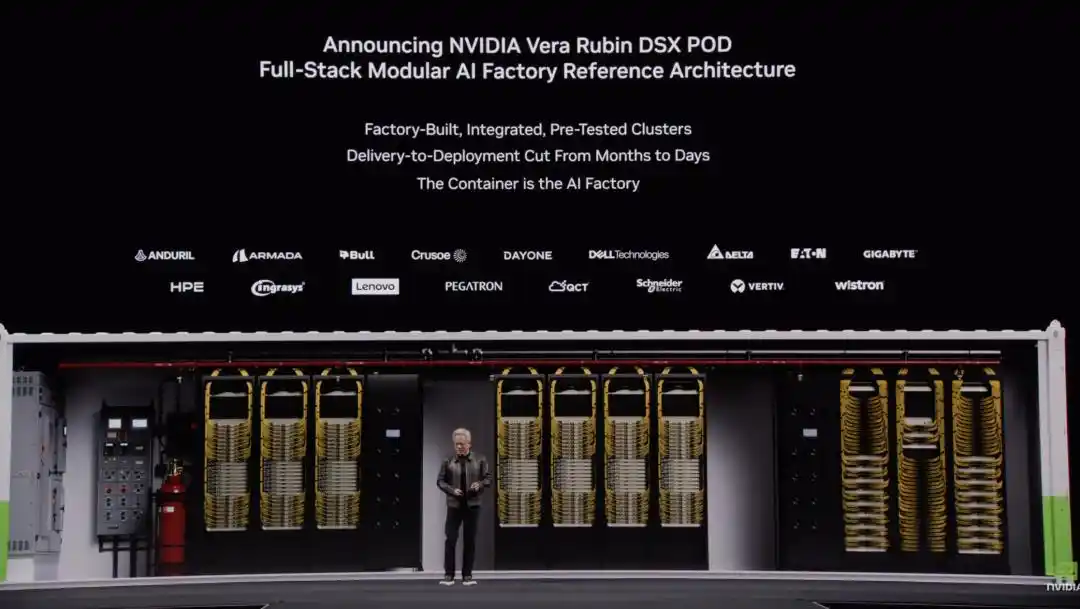
The benchmark Nvidia used throughout the launch was Time to First Token. On stage, Chief Executive Jensen Huang said, "An AI factory only creates value when it starts producing tokens, not when the building construction is complete."
Factory-built infrastructure replaces much of the on-site work
Nvidia framed DSX POD as a response to the long build cycles of conventional AI data centers, where compute node installation, network cabling, rack-level power work and liquid-cooling pipe deployment are handled on site. According to the company, delays in parts or construction errors can easily stretch those projects beyond half a year.
With DSX POD, those steps are moved into partner manufacturing facilities. Nvidia said compute, networking, cabling, power systems and liquid cooling are integrated, cross-rack wiring is completed, piping is connected and the full system is functionally validated before the unit leaves the factory. The finished infrastructure is then loaded into custom modular containers and shipped to customer sites, where it can be connected to pre-positioned power, cooling and network infrastructure.
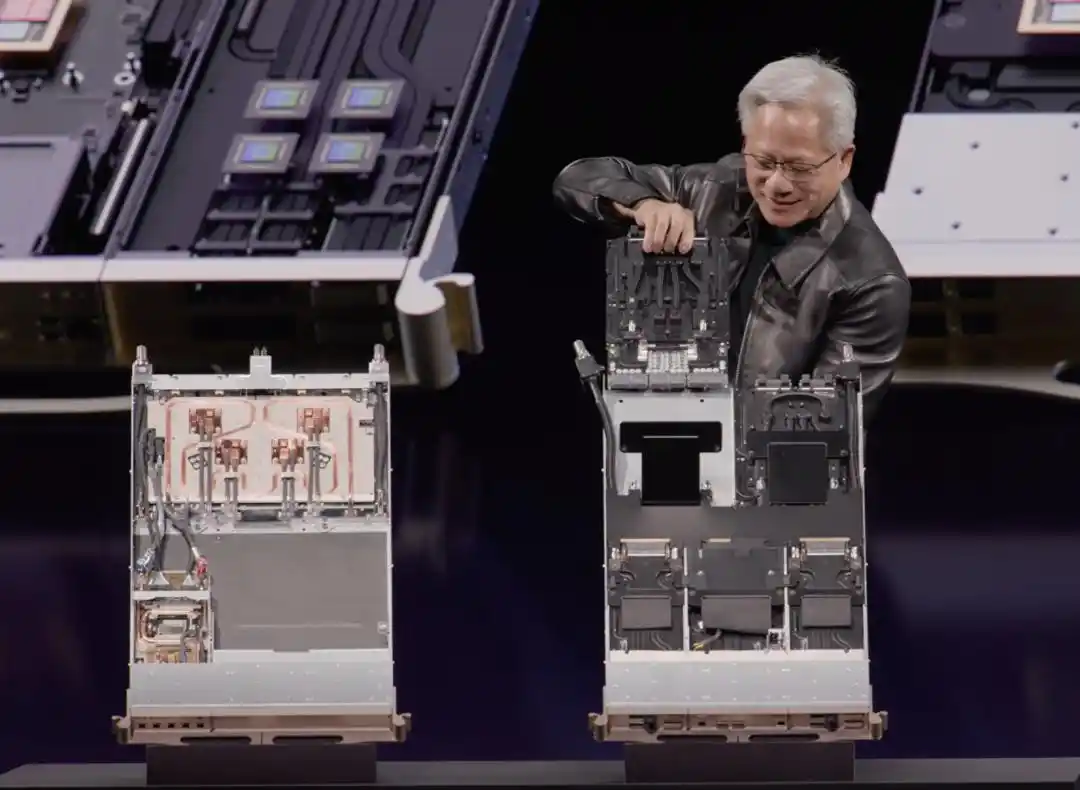
At the hardware level, Nvidia said the package starts with the latest NVIDIA Vera Rubin compute system combined with high-speed networking, rack-scale power and liquid cooling. The article contrasted that with the earlier Grace Blackwell setup, which it said took two hours to assemble a single node, involved complex cabling and delivered 80% liquid-cooling coverage. With Vera Rubin, Nvidia said a cableless design and 100% liquid cooling cut node assembly time to five minutes while improving reliability and performance.
The company said even inter-rack cabling, power connections, liquid-cooling pipe layout and full-system validation can be completed before delivery. Site preparation can proceed in parallel. Once the container arrives, the system can be powered up after being connected to the reserved local infrastructure.
Power management software targets higher throughput under fixed energy budgets
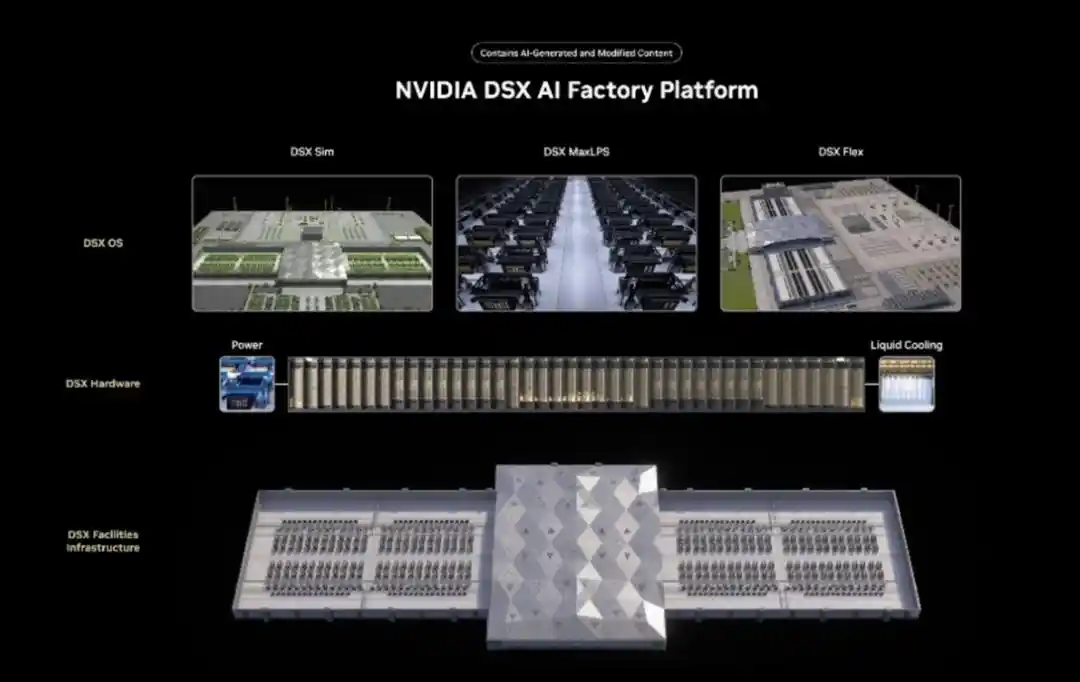
Nvidia tied the hardware launch to its broader NVIDIA DSX platform, which it described as a full-stack AI factory reference architecture spanning compute, networking, storage, software, power delivery and cooling as one coordinated system.
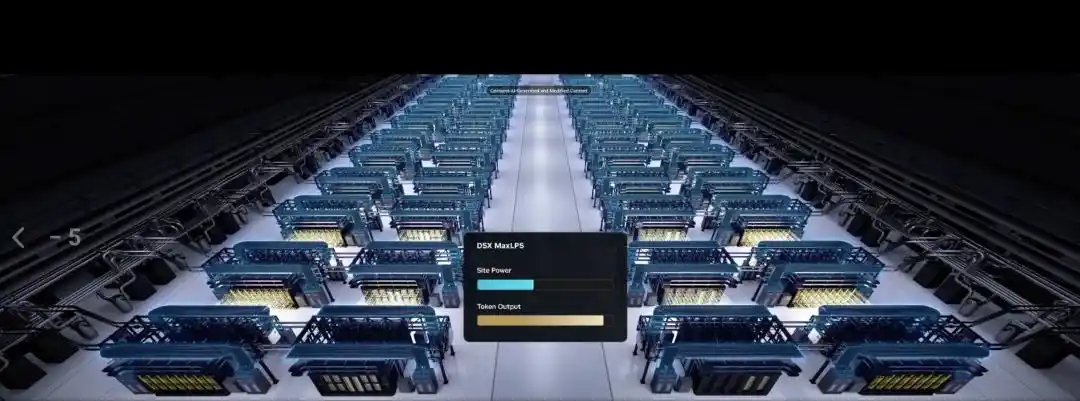
One of the key software components is DSX MaxLPS, which dynamically allocates power within a fixed energy budget. Nvidia said the tool can reduce electricity use by as much as 30% while producing the same number of tokens. Under a fixed power cap, that saved power can be redirected into additional compute capacity.
The company cited two sets of performance data. In a proof of concept at cloud provider Lambda using NVIDIA HGX B200 systems, token throughput increased 24% and supported GPU capacity rose 19% under a fixed power budget. In testing at European cloud provider Nscale's AI factory in Iceland, inference throughput increased 49% and managed GPU capacity rose 37% across four NVIDIA GB300 NVL72 racks under the same 264-kilowatt power budget.
Nvidia also introduced DSX Flex, a second software tool aimed at grid-aware power adjustment. The company said it can tune compute power consumption in real time based on grid load, electricity price swings and on-site solar and energy storage conditions, with the goal of helping AI factories secure grid interconnection approval more quickly.
In joint testing involving the UK National Grid, Nebius, Emerald AI and Nvidia, the company said a Blackwell Ultra GPU cluster was able to cut power consumption by 40% during a simulated grid event without interrupting critical workloads.
Cooling design is pitched as near-zero water use
Cooling was another major part of the announcement. Nvidia said traditional data centers often rely on evaporative cooling towers that consume large amounts of water. By contrast, Vera Rubin infrastructure supports 100% liquid cooling with coolant temperatures up to 45°C.
Under the DSX reference design, closed-loop liquid cooling is paired with outdoor dry coolers. Heat is absorbed by coolant circulating in sealed pipes and then rejected into the air through the dry coolers, without evaporating water. Nvidia said that can reduce facility cooling water use to near zero, a 100% reduction.
The company estimated that in a 2-gigawatt AI factory, the DSX design could save 54 million liters of water per day compared with a traditional cooling tower setup. It said that amount is equivalent to one day's water use for 180,000 households.
SimReady Central lands on Hugging Face, and DSX OS expands
Nvidia also pushed design and operations tools into the developer ecosystem. It said NVIDIA SimReady Central, a digital model library for physical equipment, is now available on Hugging Face. The library includes validated 3D digital assets for power and cooling equipment from partners including Vertiv.
Used with the DSX Sim simulation tool, those assets allow engineers to build digital twins of AI factories before physical construction begins. The article said power delivery, cooling behavior and even acoustic noise being tested by Siemens can be simulated in advance.
On the software management side, Nvidia said it is expanding the open-source DSX OS infrastructure management suite with three developer-preview components:
- NVIDIA Config Manager, for automated configuration of complex AI factory networks.
- NVIDIA Rack Management Service, for rack-level power, asset inventory, firmware and switch management.
- NVIDIA Cluster Readiness Engine, which runs distributed workloads before production jobs arrive in order to validate GPU clusters and isolate faults down to specific nodes.
The article described the stack as covering the path from virtual design and factory shipment to automated stress testing and production readiness.
Partner list spans servers, industrial software and energy infrastructure
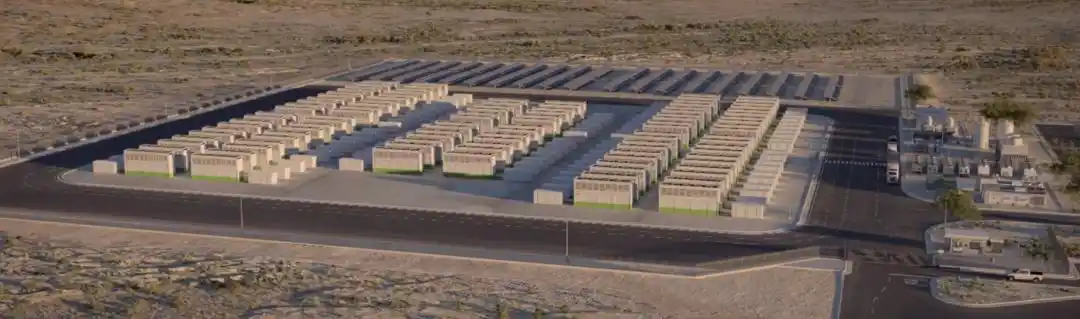
Nvidia named a broad set of partners tied to the DSX POD rollout. Companies involved in building and distributing the modular container systems include Dell, HPE, Lenovo, Foxconn subsidiary Hon Hai Precision's Ingrasys, Gigabyte, Pegatron, Quanta subsidiary QCT, Wistron, as well as Anduril, Armada, Bull, Crusoe, DayOne, Delta and Eaton.
Nvidia said these prefabricated modular AI factories are expected to begin global delivery in early 2027.
On the cloud side, the company said CoreWeave, Google Cloud, Lambda, Nebius, Nscale, Crusoe, G42 and IREN have adopted the DSX software stack. Industrial and energy partners named in the article include Schneider Electric, AVEVA, Dassault Systèmes, Vertiv, ABB, Hitachi Energy, Siemens Energy and GE Vernova.
According to the article, Schneider Electric and AVEVA are working on a full-lifecycle digital twin for Vera Rubin. Dassault Systèmes and Vertiv are jointly simulating OneCore infrastructure. ABB is developing SimReady digital assets based on DSX Sim and advancing 800 VDC architecture research through its newly released Infinitus DC product line. Hitachi Energy, Siemens Energy and GE Vernova are involved in coordination spanning grid planning and energy storage systems.
From selling chips to packaging entire AI factories
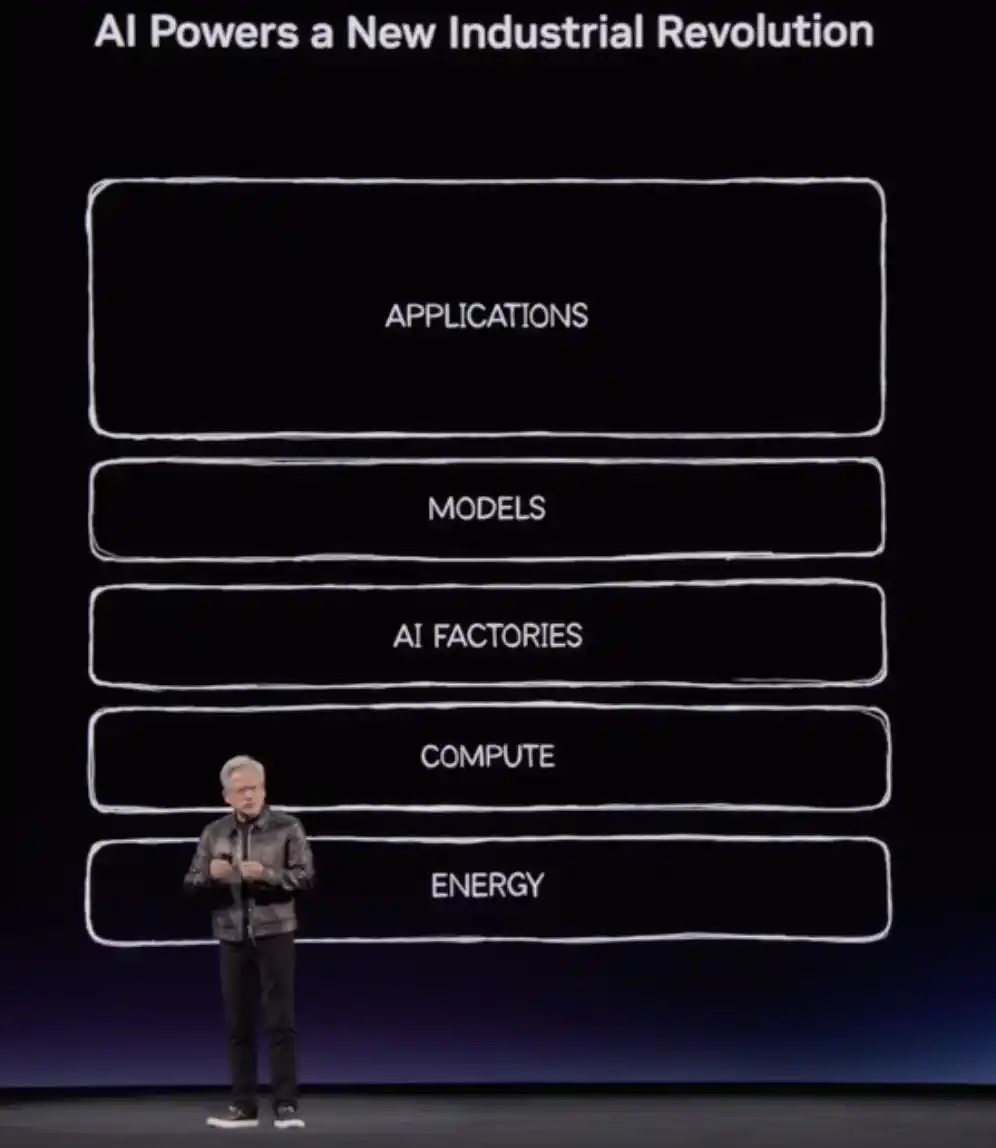
The article placed the launch in the context of Nvidia's broader infrastructure push. At GTC 2024, Huang had introduced Blackwell racks by saying, "Nvidia's AI supercomputers are the factories of the AI industrial revolution." This latest announcement extends that framing from chips and racks to physical deployment systems.
The piece said Nvidia has now defined not only the chip platform, Vera Rubin, and the rack format, NVL72, but also DSX POD containers, cooling pipes, grid orchestration and parts of the industrial design workflow around them.
Using the revenue assumption cited from DeepSeek's open-source inference framework, the article said a single GPU could generate $38 per hour. On that basis, a 10,000-GPU cluster, once online after 14 days, could theoretically generate $380,000 per hour under ideal conditions with full utilization and stable customer demand. The article also explicitly noted that such revenue would depend on securing enough steady orders.
The report was sourced from the WeChat public account Quantum Position and credited to author Meng Chen. It also included a replay link: https://www.youtube.com/watch?v=PvFjbPYEOZI