
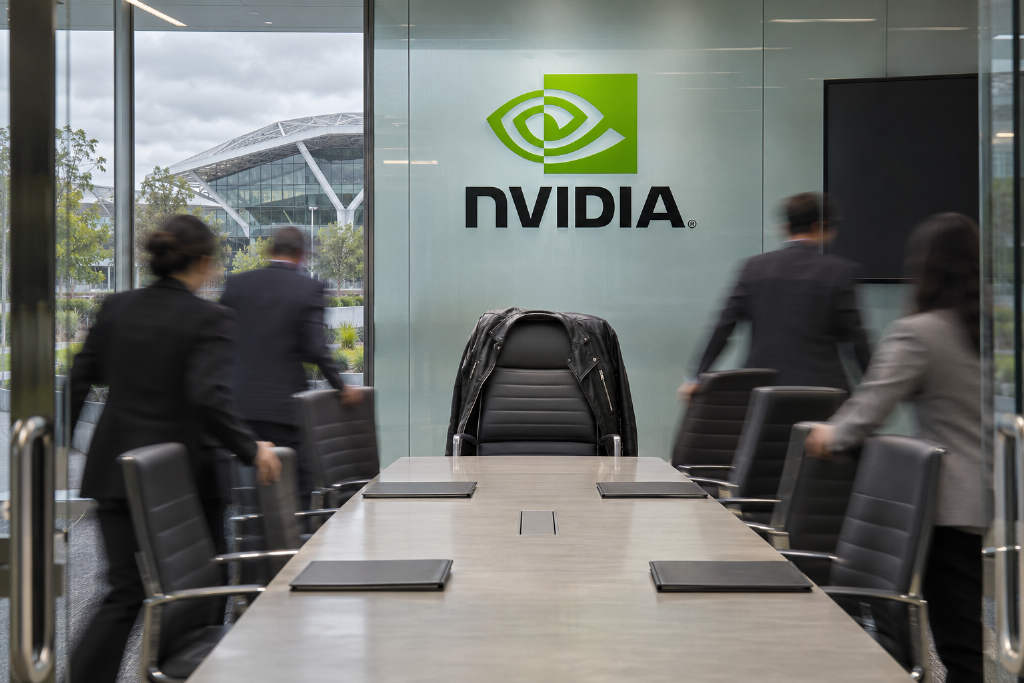
Nvidia said on Nov. 12 that founder Jensen Huang had resigned as president, chief executive officer and a member of the board, with all of the changes taking effect immediately. Huang had led the chipmaker for 33 years after co-founding the company with partners in 1993.
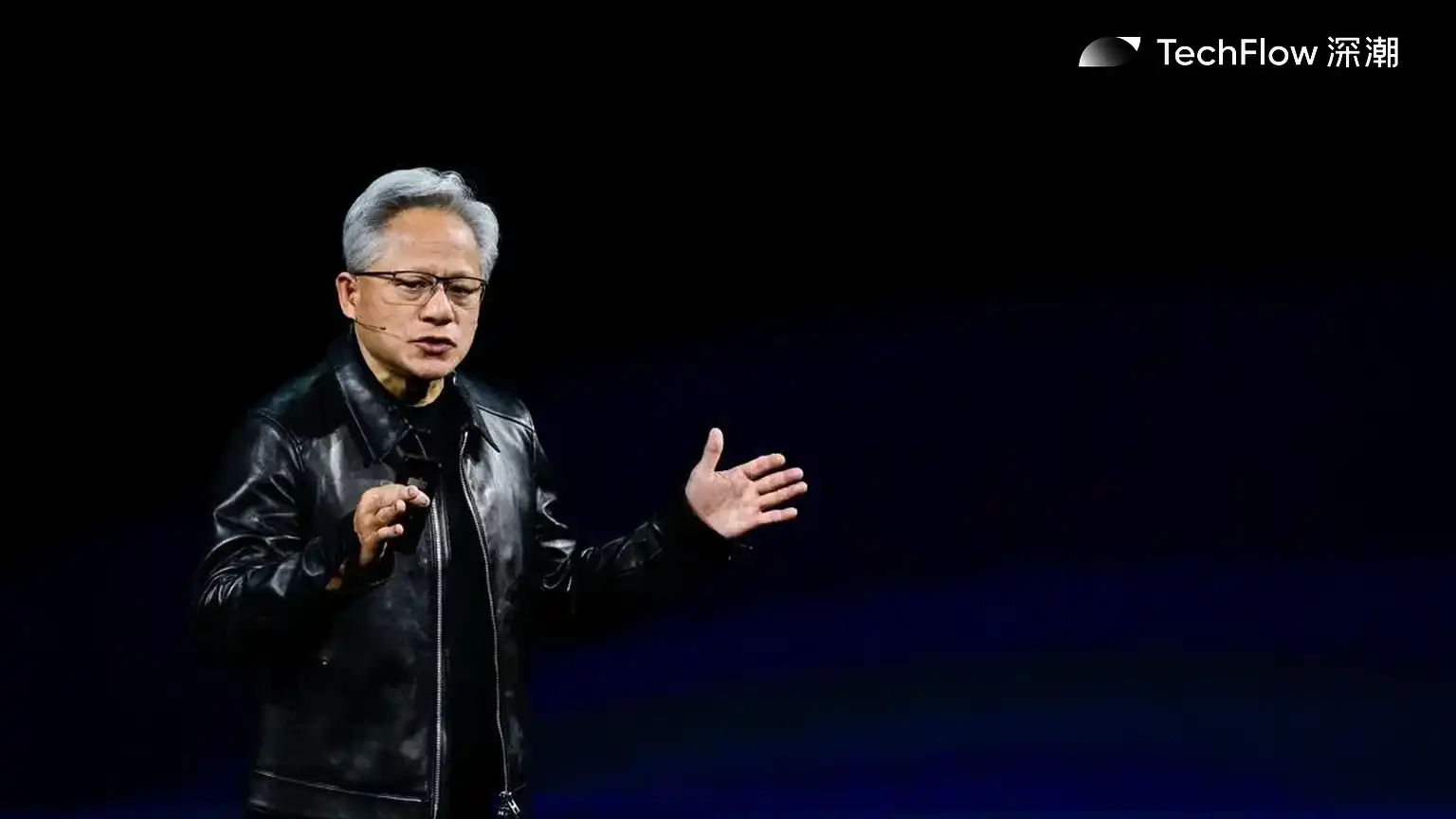
The board has formed a special committee and started a global search for a permanent CEO. Nvidia’s shares moved sharply in premarket trading after the announcement, with the move at one point exceeding 5%.
Leadership change comes before quarterly results
Huang oversaw Nvidia’s development from graphics processors to the CUDA software ecosystem and its generative AI computing business. Regulatory filings show that he still owns about 3.6% of Nvidia. His resignation from the executive and board positions removes him from the company’s day-to-day decisions and strategic direction, according to the source material.
The announcement came shortly before Nvidia’s next earnings release. The company’s official schedule lists Nov. 17 as the date for its fiscal 2027 third-quarter results and earnings conference call.
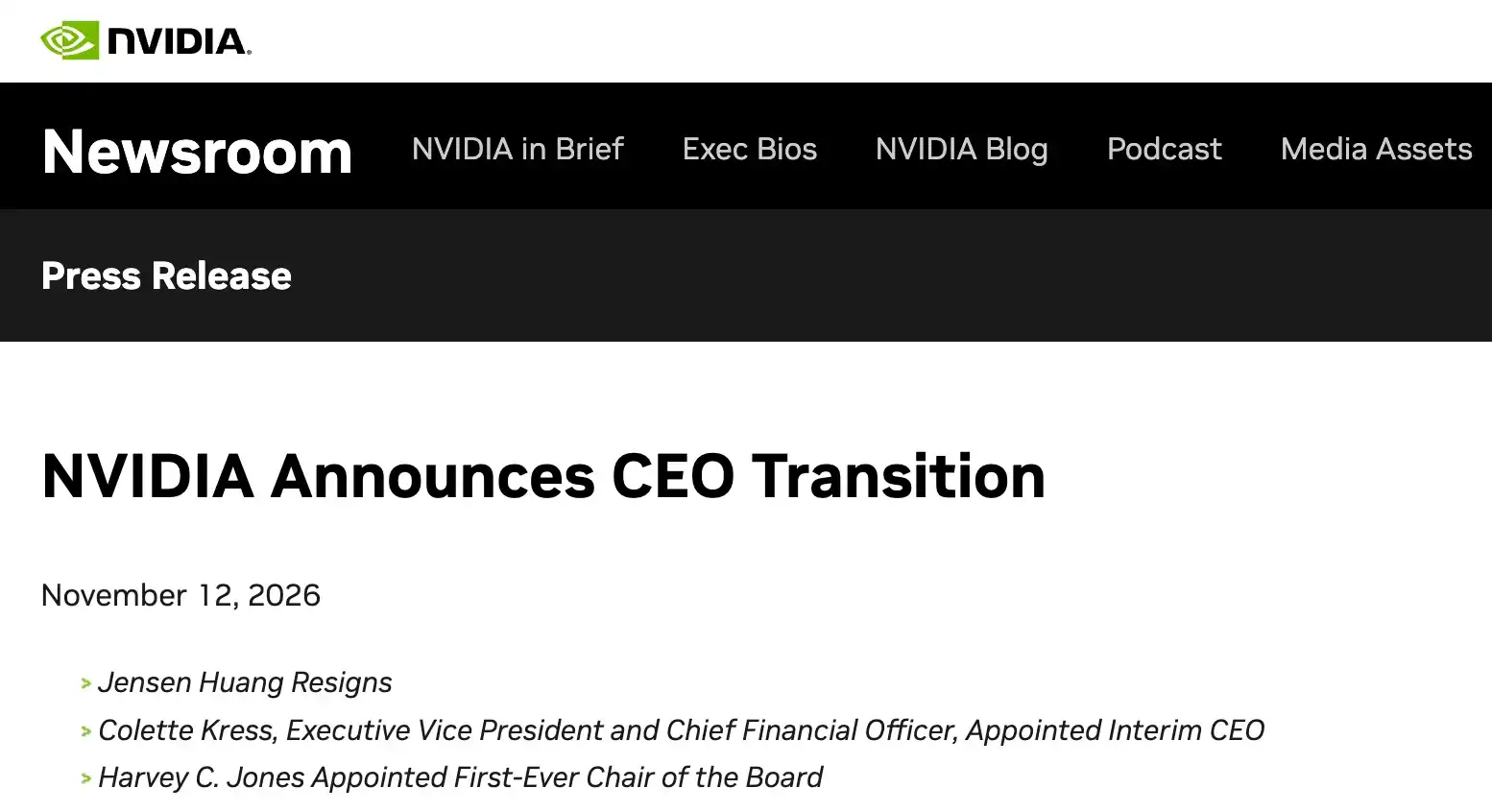
Nvidia did not disclose a specific reason for Huang’s resignation in its announcement. The personnel changes followed the board’s decision to open an independent investigation.
Board investigation follows reports about Huang
Bloomberg had previously reported that Huang sent a letter to all employees on Nov. 8, apologizing to his family and team over issues involving private relationships. The board later announced an independent investigation to examine whether Nvidia faced potential intelligence risks or compliance gaps.
Questions also continued to circulate around compliance issues involving Nvidia’s computing-power rental channels in Southeast Asia. Reuters, citing a person close to the board, reported that the timing of the leadership announcement reflected the board’s response to growing compliance concerns and external regulatory pressure. The person said the board wanted to prevent the personal controversy from continuing to spill over into the listed company before the release of its core results.
Nvidia’s official announcement did not provide details about the reason for Huang’s departure.
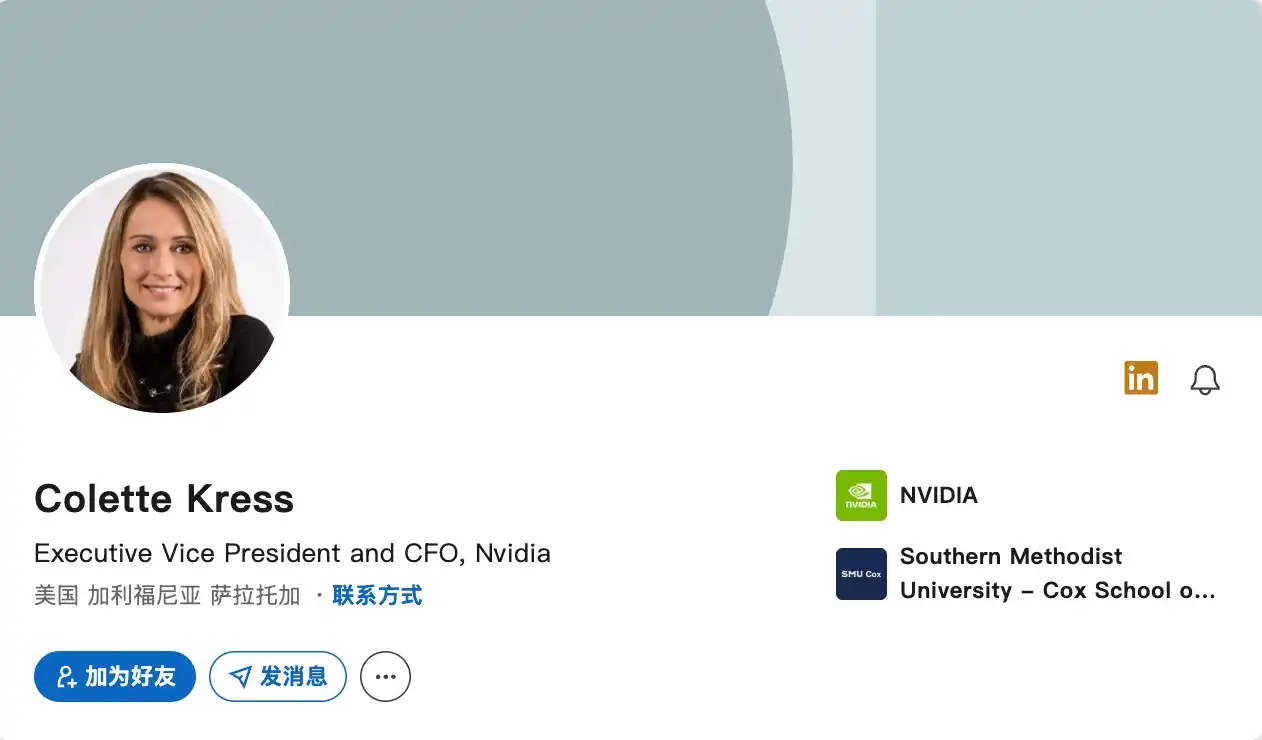
Colette Kress takes over on an interim basis
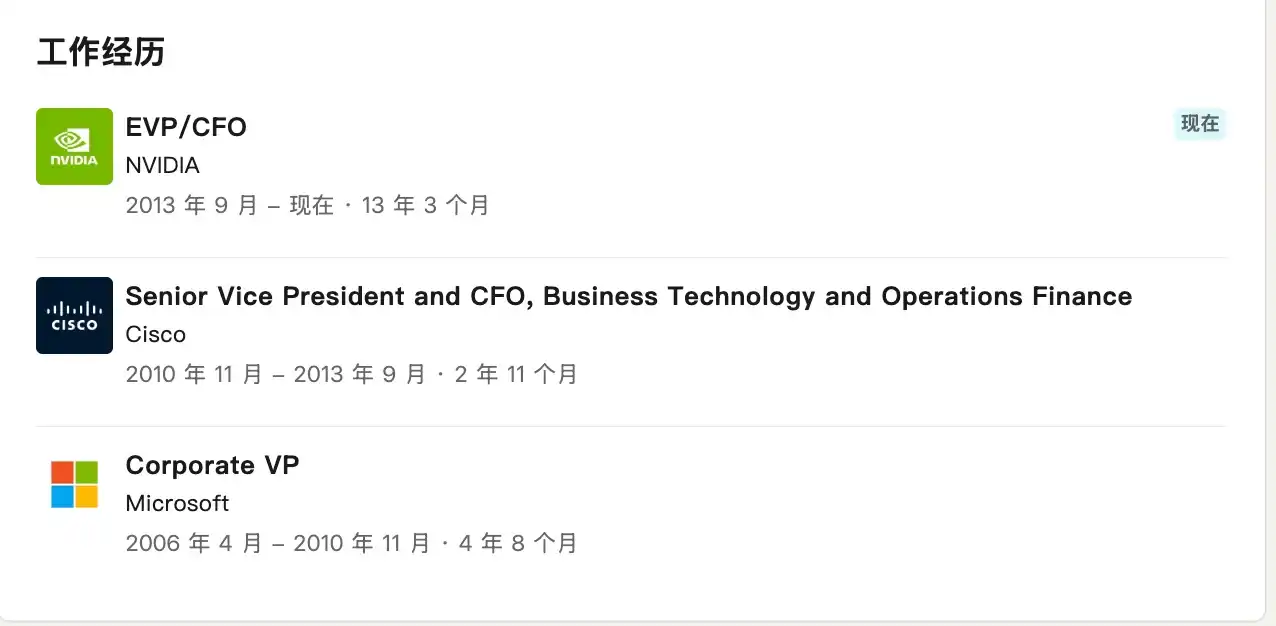
Colette Kress, Nvidia’s executive vice president and chief financial officer since 2013, will serve as interim CEO while the board looks for a permanent successor. She will continue to carry out her CFO duties during the transition.
Nvidia’s CUDA ecosystem chief and data-center hardware head had been viewed internally as technically influential executives. The board instead chose Kress, whose background is in finance and operations, to lead the company through the interim period.
Citi analysts wrote in a recent report that Kress has spent 13 years at Nvidia and was involved as the company’s annual revenue expanded from an average of $4 billion to $200 billion. The analysts described her as a familiar Nvidia representative to Wall Street and institutional investors. They said the board’s immediate focus would include cloud-provider orders, advanced-process capacity at TSMC and the risk of a sell-off during the leadership vacuum.
Harvey C. Jones becomes Nvidia’s first independent chair
Nvidia is also changing its board structure. Harvey C. Jones, the former chief executive of Synopsys, has been appointed board chair.
Nvidia had not previously had an independent board chair since its founding in 1993. Strategic planning, daily operations and the authority to convene the board had long been concentrated in Huang’s hands. Public records show that Jones joined Nvidia’s board in 1993, the year the company was founded, making him its longest-serving and most senior outside director.
The Financial Times wrote that the creation of an independent chair would help lead the external search for a new CEO and separate operating authority from board oversight. Nvidia’s governance structure is now being reorganized.
Nvidia’s next scheduled test comes with the Nov. 17 earnings call. It will be the company’s first results briefing and market communication since Huang left his executive and board positions.



