
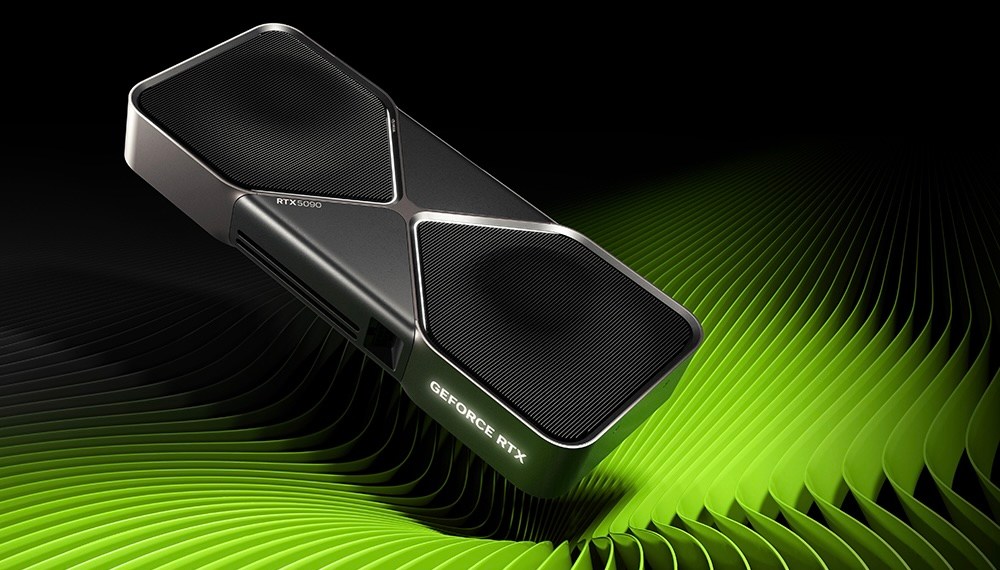
Nvidia’s GeForce RTX 50-series graphics cards have entered another round of price increases in the U.S. retail market as costs for key components climb sharply. The latest moves were concentrated in midrange Blackwell models, putting added pressure on upgrade budgets for PC DIY builders and creators.
Midrange Blackwell cards led the increase
According to consumer graphics card retail pricing data cited in the report, the entry-level GeForce RTX 5060 now carries a median retail price of $469.99, far above its $299.99 manufacturer’s suggested retail price.
The RTX 5060 Ti 8GB reached a median price of $529.99, up about 13% to 15% from earlier levels. The RTX 5060 Ti 16GB posted a sharper move, jumping from $579.99 to $799.99, for an increase of more than 39%.
The GeForce RTX 5070 rose 29% from the previous survey period, landing in an $850 to $900 retail range.
By contrast, the higher-end RTX 5070 Ti and RTX 5080 showed limited change in the survey because their market prices had already been trading well above official list prices for an extended period. The entry-level RTX 5050 stayed around $300, where it has been since earlier this year.
AMD RDNA 4 pricing was calmer, though supply shifted
Compared with Nvidia’s steeper increases, AMD’s RDNA 4 graphics cards saw milder price changes over the same period, with only single-digit percentage gains. Even so, AMD’s lineup was also affected by changes in the chip supply chain.
Available Radeon RX 9070 16GB variants have declined, while the stripped-down RX 9070 GRE, priced at about $549, has remained relatively available and is gradually becoming a main choice in the midrange segment.
Elsewhere in the lineup, the RX 9060 XT 8GB was described as being in extremely short supply, with a retail price of about $399. The RX 9060 XT 16GB posted a slightly higher median price of $474.99. The higher-end RX 9070 XT saw its median price edge up 5% to $799.99.
Memory costs added to pressure on PC builds
The report said rising prices for Nvidia’s midrange Blackwell cards add to strain in the DIY PC market, which has already been dealing with elevated DRAM and NAND flash memory costs.
It also said that while graphics card price increases had been relatively moderate within total build budgets during the early phase of the generative AI boom, consumers who prefer Nvidia hardware and CUDA are no longer seeing the comparatively stable pricing that existed before. With supply chain costs still elevated, the latest increase in midrange GPU prices is forcing gamers and creators to weigh hardware upgrades more carefully.