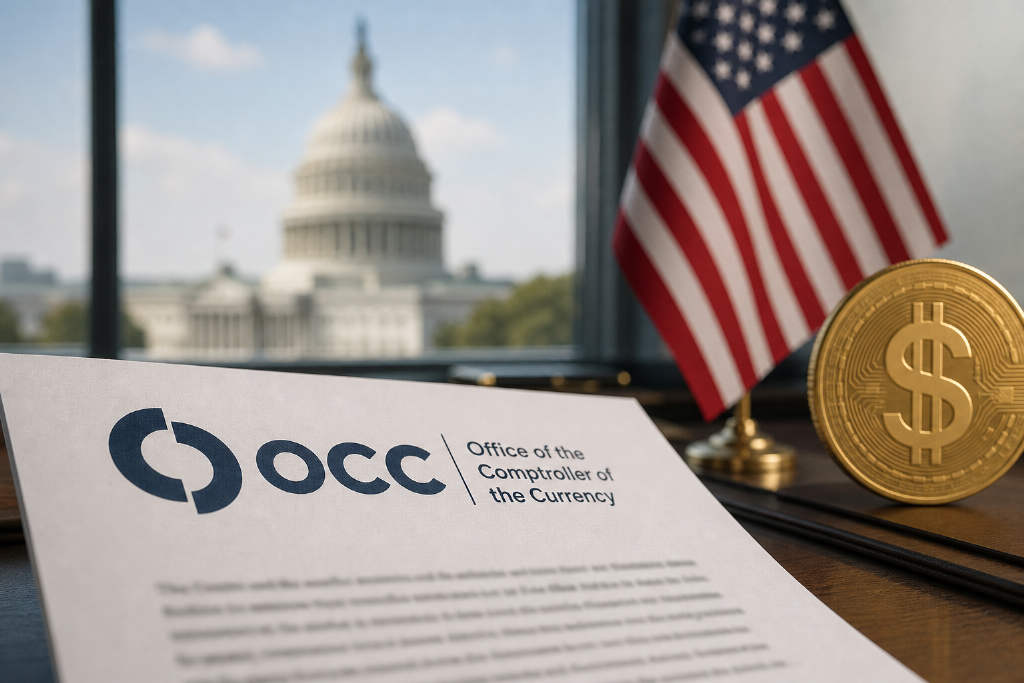
US Comptroller of the Currency Jonathan Gould said the Office of the Comptroller of the Currency will issue final rules for implementing the payment stablecoin law by November. He made the remarks at the Wyoming Blockchain Symposium on Wednesday, saying the agency is reviewing feedback after publishing proposed rules in February. Gould also said the OCC could begin handling applications related to stablecoin issuers starting in 2027.
The GENIUS Act was signed into law in July 2025 and is meant to build a US regulatory framework for payment stablecoins. It requires rules from agencies overseeing the products, including the OCC, Treasury Department, FDIC and the Federal Reserve Board. The OCC previously published a 376-page proposal in February, while agencies have until Jan. 18 to finalize regulations as the law takes effect. Several regulators had already sought public input, but final rules were still not released by July, leaving stablecoin issuers facing regulatory uncertainty.
OCC aims to finish GENIUS implementation rules by November
US Comptroller of the Currency Jonathan Gould said the Office of the Comptroller of the Currency will have final rules out by November for implementing the payment stablecoin law.

Gould made the comments on Wednesday at the Wyoming Blockchain Symposium. He said the OCC is working through feedback from the crypto industry after publishing proposed rules in February.
He added that the agency expects it could start processing applications tied to stablecoin issuers in 2027.
What the GENIUS Act requires
The GENIUS Act was signed into law in July 2025 and is designed to create a regulatory framework for payment stablecoins in the US. The law requires rulemaking from agencies that oversee the products, including the OCC, the Treasury Department, the Federal Deposit Insurance Corporation and the Federal Reserve Board.
The OCC moved ahead in February with a 376-page proposal to implement GENIUS and asked for public comment. Under the law’s timeline, agencies have until Jan. 18 to finalize regulations as the statute takes effect.
Several regulators had already published proposals and collected public feedback on how to implement GENIUS, but they had not released final rules by July, a gap that could leave stablecoin issuers facing regulatory uncertainty.
Related: OCC approves Trump family crypto company for trust charter.
This article was originally published by Bit.Fan. For more cryptocurrency news and market insights, visit www.bit.fan. Disclaimer:
The market information, project data, and third-party content displayed on this platform are for industry information sharing only and do not constitute any form of investment advice or return commitment.
Cryptocurrency trading carries high risks. Users should fully assess their risk tolerance and make independent decisions. All profits, losses, and legal responsibilities are borne by the users themselves.