
This article was originally published by Bit.Fan. For more cryptocurrency news and market insights, visit www.bit.fan.
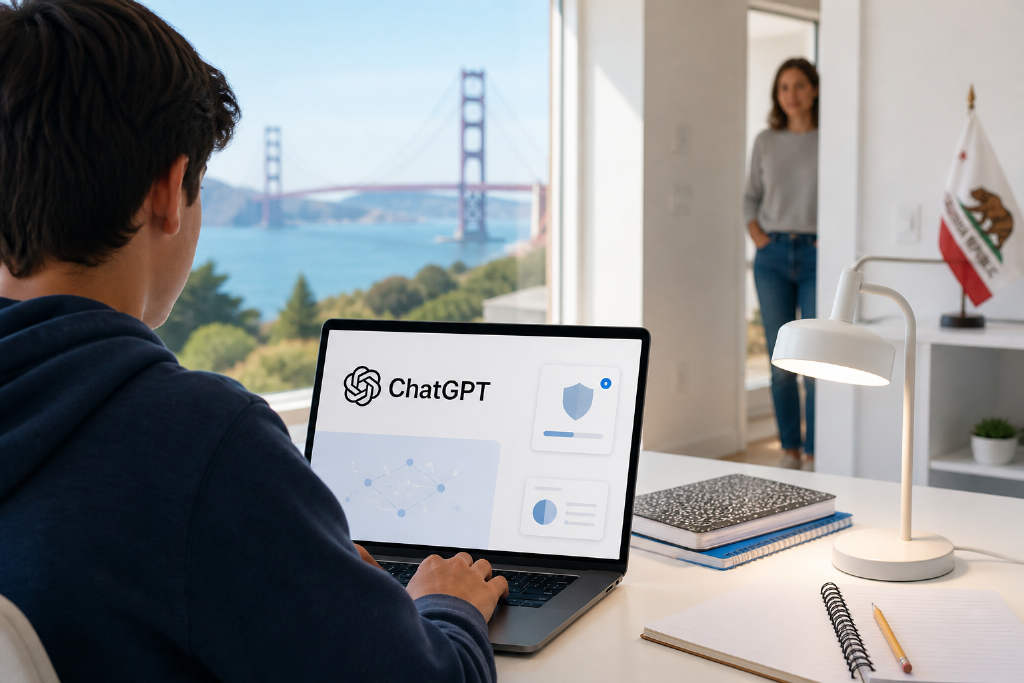
OpenAI launches ChatGPT for Teens with stricter safety controls and study tools
N
News EditorOpenAI has introduced ChatGPT for Teens, a version designed for users ages 13 to 17 or accounts the system identifies as minors. The product turns on safety defaults, adds Study Mode, limits sensitive conversations, and gives parents new controls over notifications and quiet hours. It also comes with learning tools and a partnership with CodeAI to teach teens how AI works and how to question it. The rollout comes after lawsuits, a Florida case against OpenAI and CEO Sam Altman, state attorney general scrutiny, California’s SB 243, and an FTC 6(b) inquiry into companion AI chatbots.
OpenAIChatGPTteenspolicy regulationAI safetyFTCCalifornia SB 243
OpenAI has launched ChatGPT for Teens, a version aimed at users ages 13 to 17, as well as accounts the system identifies as underage based on usage patterns. The safety settings are on by default, and the update centers on study guidance, behavior detection, and tighter controls around sensitive chats.
The company says the teen version includes Study Mode. When a user asks a question, the system is supposed to guide them with prompts and step-by-step breakdowns instead of giving a direct answer. If a prompt looks like an attempt to copy homework rather than understand the material, ChatGPT will surface a homework reminder and route the user back into Study Mode. The package also includes quiz tools and learning visualizations, and parents or guardians can decide whether Study Mode should be enabled by default on a child’s account.
OpenAI has also narrowed how the system handles conversations involving suicide, self-harm, romantic topics, and sexual content. Those rules come from the company’s Model Spec for minors, which OpenAI said was informed by developmental psychology and expert input. On the parent side, the company is keeping the family tools and monitoring features it had already introduced. Those tools can send safety alerts, set quiet hours, and determine whether a child can keep chatting late at night.
OpenAI said it is also working with CodeAI to teach teens how AI works, how to write prompts, and how to challenge outputs. Combined with its existing teacher tools, the setup is meant to stretch from the classroom into the home, giving schools, parents, and the platform their own control points.
The timing is hard to ignore. In August 2025, the parents of 16-year-old Adam Raine sued OpenAI, alleging that ChatGPT provided specific assistance during his suicide. Other families and former users later filed additional lawsuits tied to assisted suicide and wrongful death claims. In June 2026, Florida sued OpenAI and CEO Sam Altman, and state attorneys general in the U.S. also opened a joint investigation into the company that same month.
Regulators have not stood still either. California Senator Padilla’s SB 243 was signed by Governor Newsom on October 13, 2025, and took effect on New Year’s Day this year. It requires platforms to monitor for suicidal ideation, provide referral support, filter sexual content for minors, and periodically remind underage users that they are talking to AI, not a human. The U.S. Federal Trade Commission has also opened a 6(b) inquiry into companion AI chatbots, a process that allows the agency to demand internal documents from companies and focus on how these products affect children.
Seen in that light, almost every feature in ChatGPT for Teens lines up with a lawsuit or a law: Study Mode addresses education-related criticism, suicide detection mirrors the California requirement, and parental alerts match the FTC’s concern over child safety.
The remaining question is whether the system can actually withstand the ways teens bypass controls. Changing accounts, editing birthdays, borrowing a classmate’s device, or logging in through another browser are all familiar tricks from social platforms, and there is no reason to assume they will stop here. A parent only has to miss one alert, and a child only needs one open path. That is the test this product now faces.
10
Disclaimer:
The market information, project data, and third-party content displayed on this platform are for industry information sharing only and do not constitute any form of investment advice or return commitment.
Cryptocurrency trading carries high risks. Users should fully assess their risk tolerance and make independent decisions. All profits, losses, and legal responsibilities are borne by the users themselves.