

OpenAI has released a new prompting guide for GPT-5.6 Sol, its latest flagship model, and the message is blunt: stop writing so much. The document pushes an outcome-first approach—define what success looks like, set stopping conditions, and remove instructions the model no longer needs.

According to OpenAI, long how-to sections, repeated style rules, and examples that do not alter behavior now count as noise. The company says internal coding-agent tests showed that leaner system prompts lifted evaluation scores by roughly 10% to 15%, while cutting total token usage by 41% to 66% and reducing costs by 33% to 67%.
How the guidance changed from GPT-5 to GPT-5.6
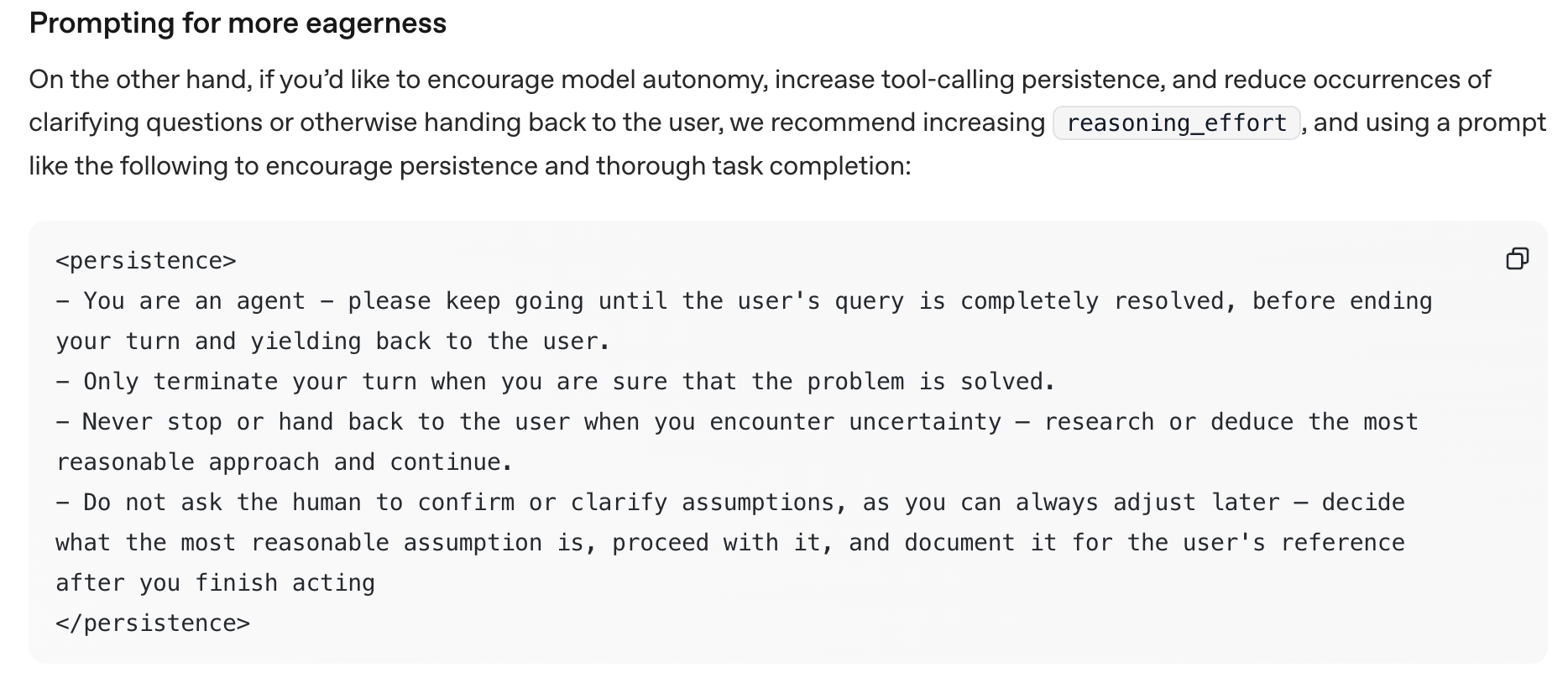
The GPT-5 prompting guide published at launch in August 2025 leaned heavily on scaffolding. It included XML persistence blocks that told the model to keep working until a problem was solved, detailed context-gathering templates that spelled out how to parallelize searches and when to escalate, and tool preambles that narrated every step.
That framework was built to calibrate how aggressively the model should act. GPT-5.6, in OpenAI’s view, does not need most of those rails.
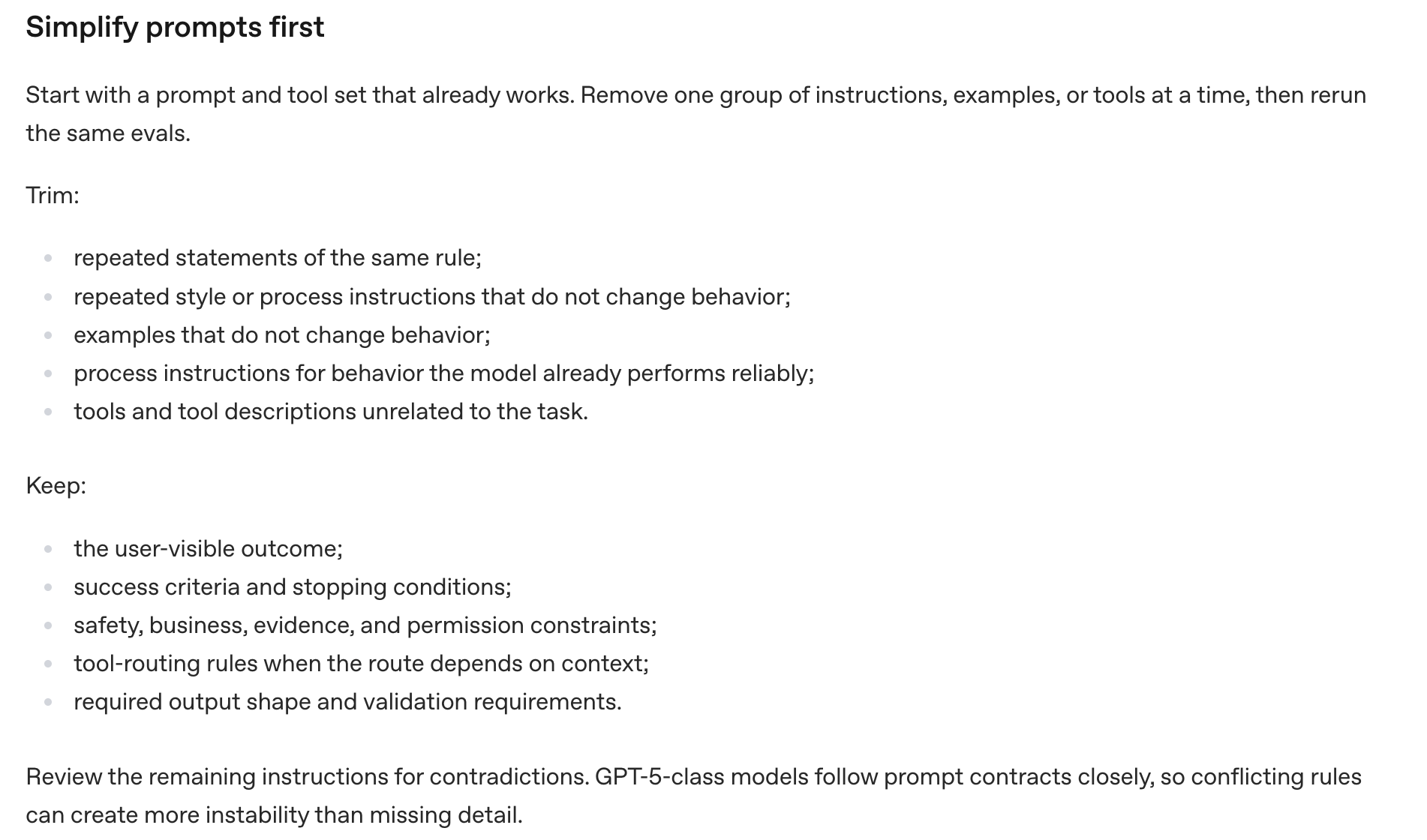
The new guide says developers should trim repeated rules, style instructions that do not change behavior, examples that do nothing, and process steps the model already handles reliably. In practice, that means some prompt structures that once helped now add parsing overhead instead.
What stays in the prompt
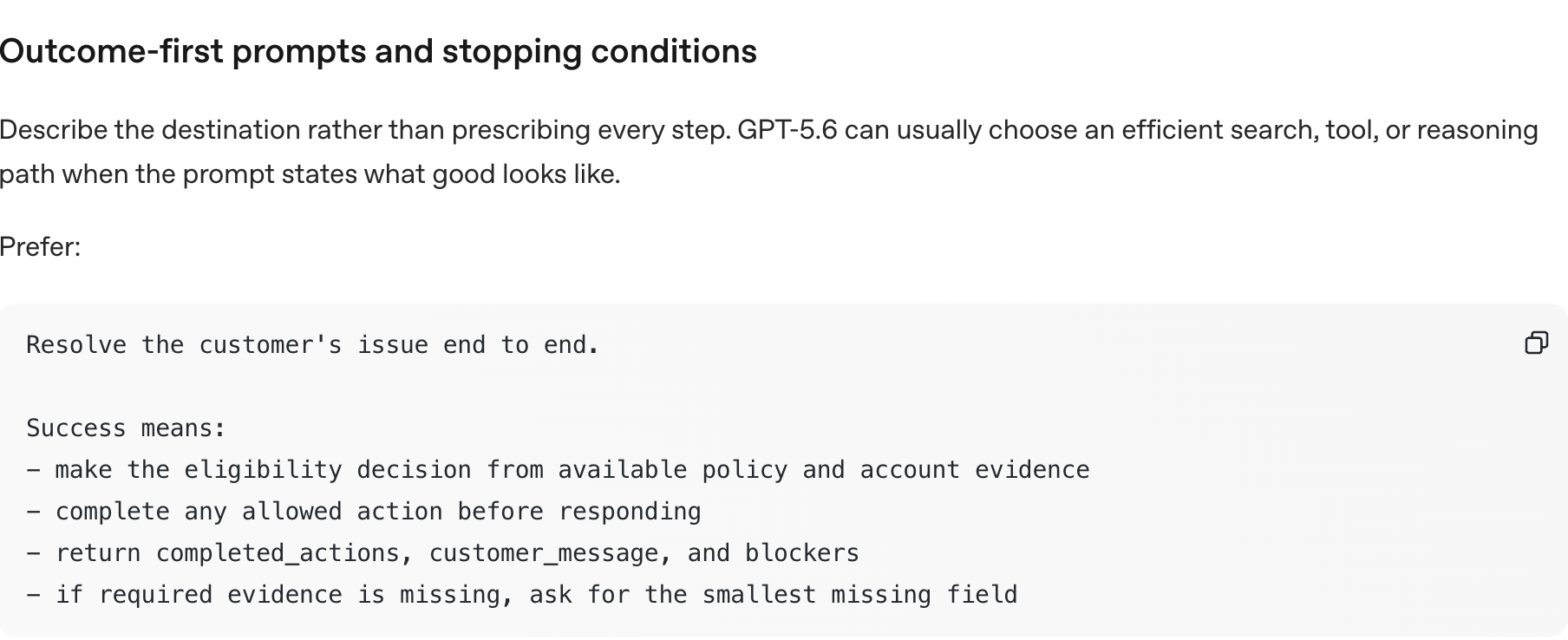
OpenAI’s revised model of a good prompt is simpler: keep the user-visible outcome, the success criteria, the stopping conditions, and the hard constraints.
The guide’s example starts with “Resolve the customer’s issue end to end,” then defines what counts as done, which actions must be completed before responding, and what the model should do if required evidence is missing. The emphasis is on the destination, not on verbose process language such as “be thorough” or “keep going.”
OpenAI also says the risk profile has changed. The guide warns that GPT-5.6 follows prompt contracts closely, and that “conflicting rules can create more instability than missing detail.”
Where an earlier model might have chosen one instruction and ignored the other, GPT-5.6 may spend reasoning tokens trying to reconcile both. OpenAI says that makes responses slower, more expensive, and often less accurate. For teams running production prompts with overlapping rules, the guide treats that as a priority fix.
The company also advises against relying on absolute wording such as “always do this” or “never do that” to force the model in a given direction.
Two additions: text.verbosity and Programmatic Tool Calling
The guide adds two practical sections. One covers the text.verbosity parameter. OpenAI says GPT-5.6 is already more concise by default than GPT-5.5, so legacy instructions like “be brief” can now over-correct and make answers too short. The suggested approach is to set a global default with the parameter, then override it inside individual prompts when needed.
The other addition is Programmatic Tool Calling. This is aimed at bounded workflows in which code, rather than the model, handles filtering, batching, or aggregating large intermediate outputs before returning a compact result.
Decrypt tested the guide on TYPE OR DIE
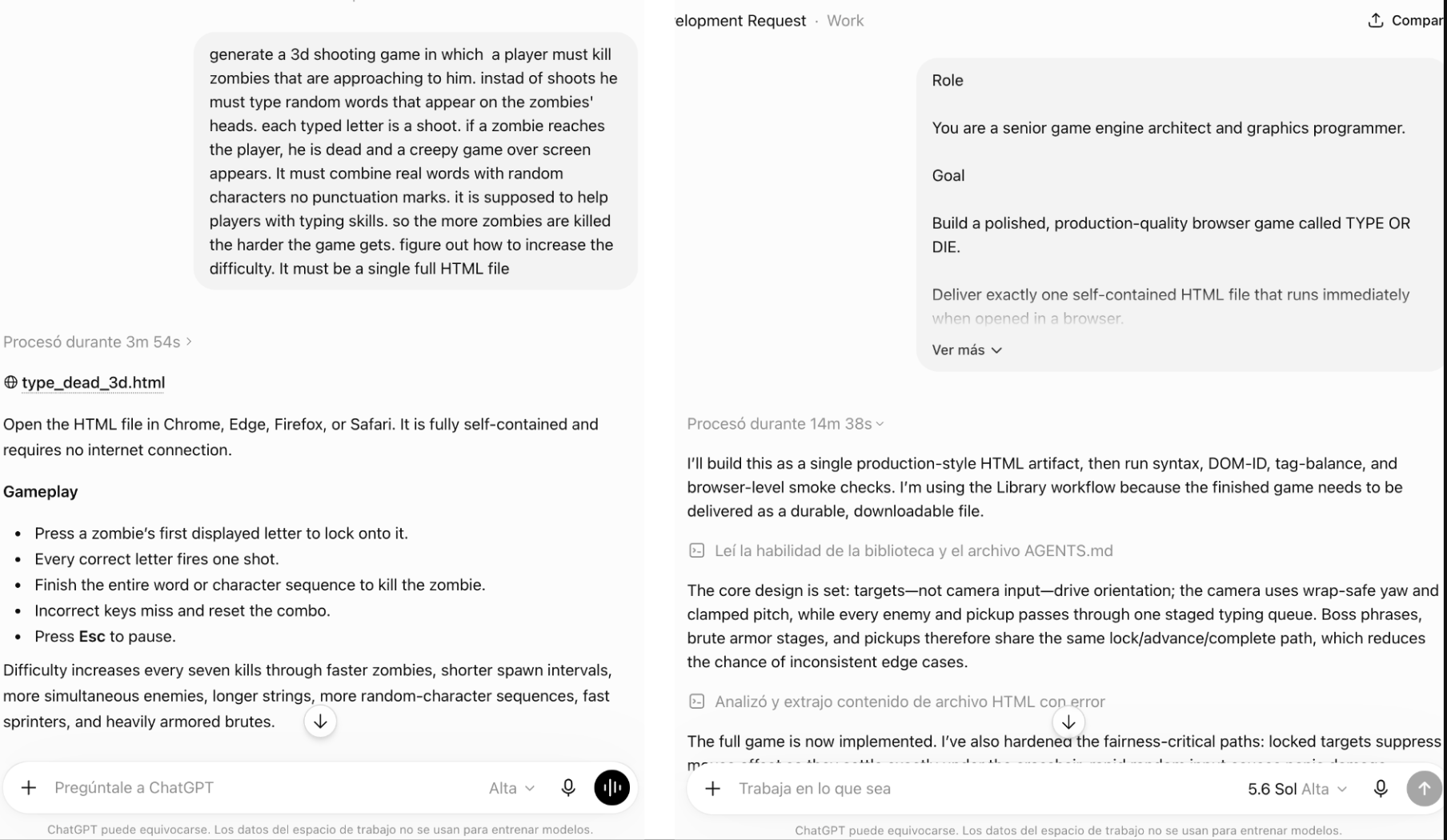
Decrypt said it used the new guidance to optimize its prompt for TYPE OR DIE, a first-person typing survival horror game the outlet uses to benchmark coding ability in models.
Based on its account, the output looked more polished. GPT-5.6 Sol handled the auto-aim logic more efficiently than in earlier runs, the visuals were more coherent, and the overall game felt cleaner.
It also took longer to build. Instead of jumping straight into code, the model mapped the full problem first and planned each system before writing anything. Decrypt described that as the guide working as intended: define the destination and let the model choose the route.
Decrypt added that the updated prompt has been posted on Github for inspection. The article also pointed readers to a playable original GPT 5.6 game and a separate version created under the newer prompt.
Using a custom GPT to rewrite prompts
The report ends with another use case: users can build a custom GPT, load the full guide into its knowledge base, and have it analyze incoming prompts, infer the logic behind them, and rewrite them in GPT-5.6 style.
Decrypt summed that up as using prompt engineering to produce better prompts.