
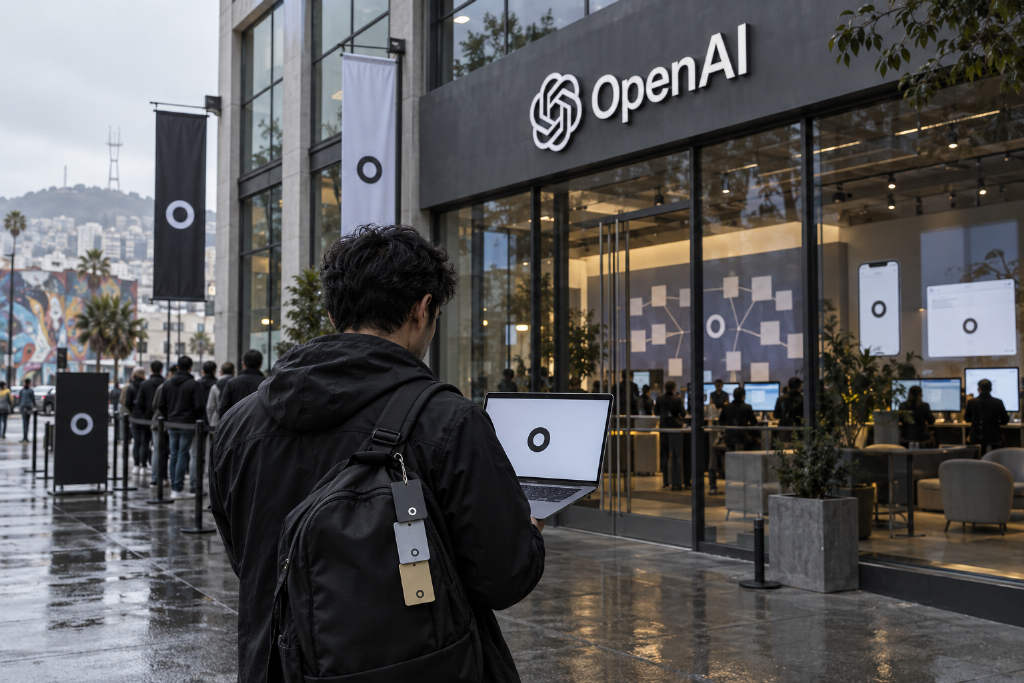
Signs of a new OpenAI assistant called “o” have appeared in ChatGPT code, internal configuration, and upgrade-page text ahead of the company’s Sept. 29 developer event. According to the source material, developer Chetaslua found a direct note in core code that reads, “Lowercase o is the assistant's product name.”
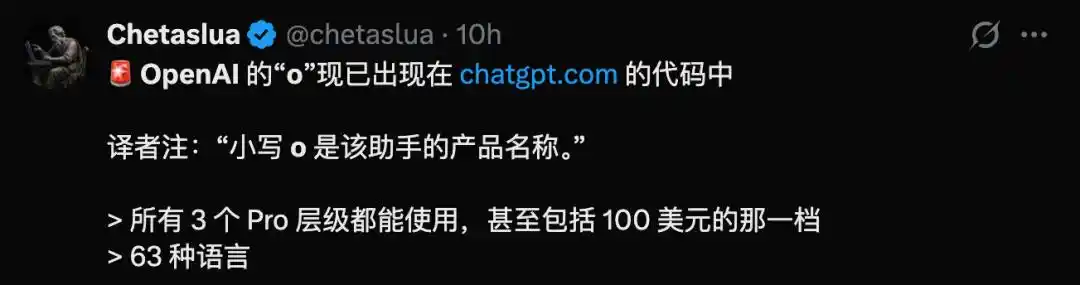
That line has become the strongest public clue so far that OpenAI may be preparing to launch a new always-on AI product named with a single lowercase letter. The article ties the timing to DevDay on Sept. 29 and describes the product as a persistent assistant designed to keep running over time.
Multiple clues pointed to “o” before launch
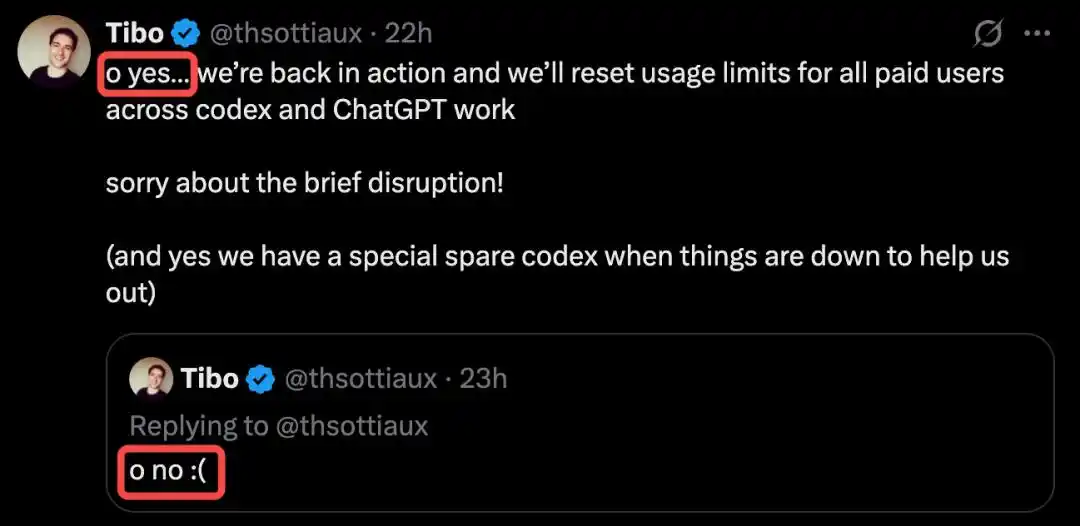
The report says speculation started building several days earlier. On Sept. 25 in the U.S. Western time zone, Codex experienced an outage. Tibo, described in the article as an OpenAI figure, posted “o no :(”. One hour later, after service was restored, he posted “o yes… we're back” and said usage limits would be reset.
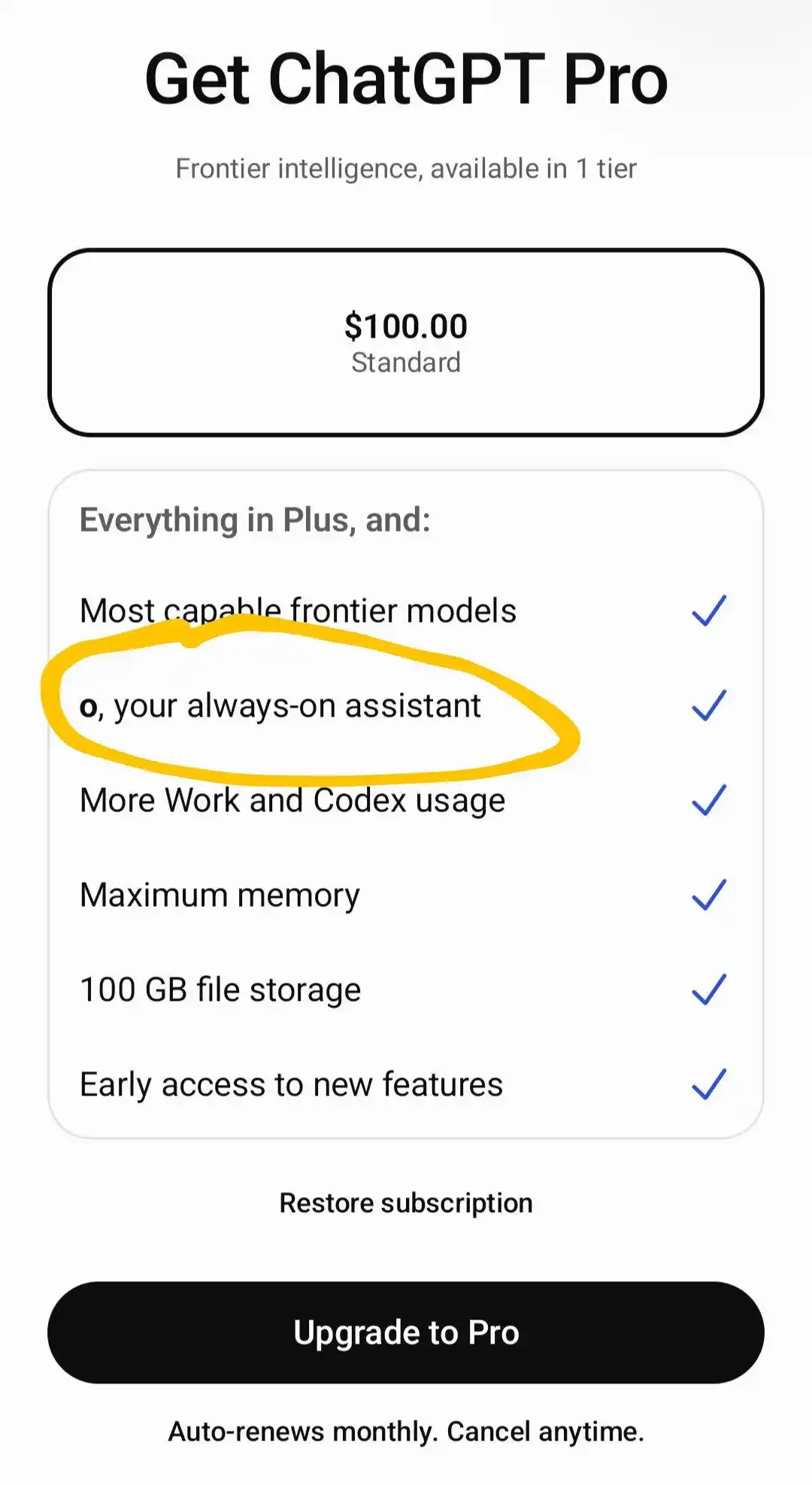
At roughly the same time, several other clues surfaced. Some Pro users reportedly saw the line “o, your always-on assistant” on the ChatGPT upgrade page, though the text disappeared a few hours later. The web code also included a translator-facing note stating that lowercase “o” is the assistant’s product name.
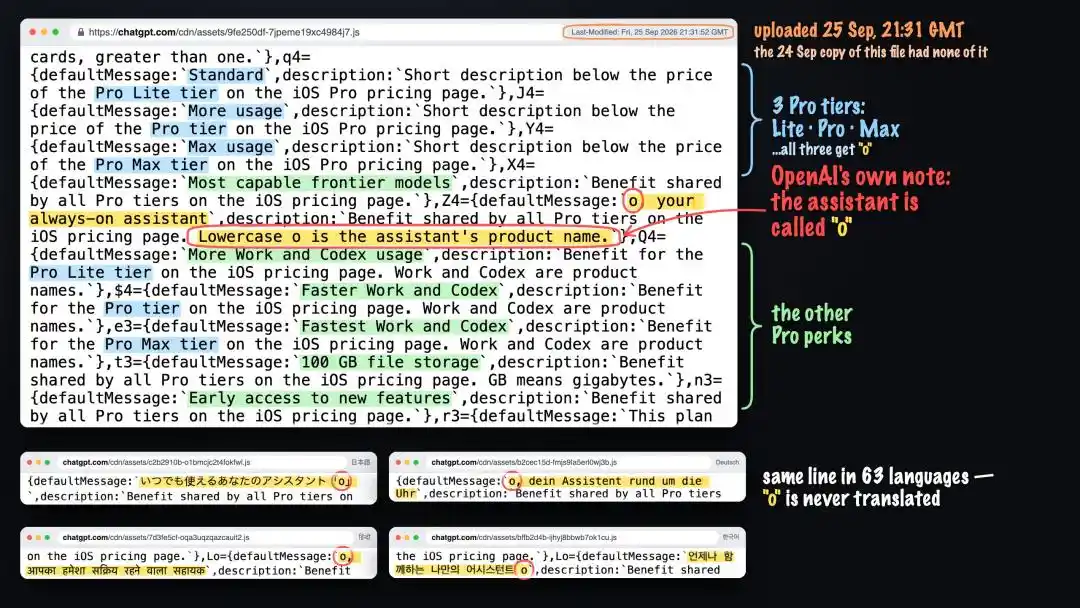
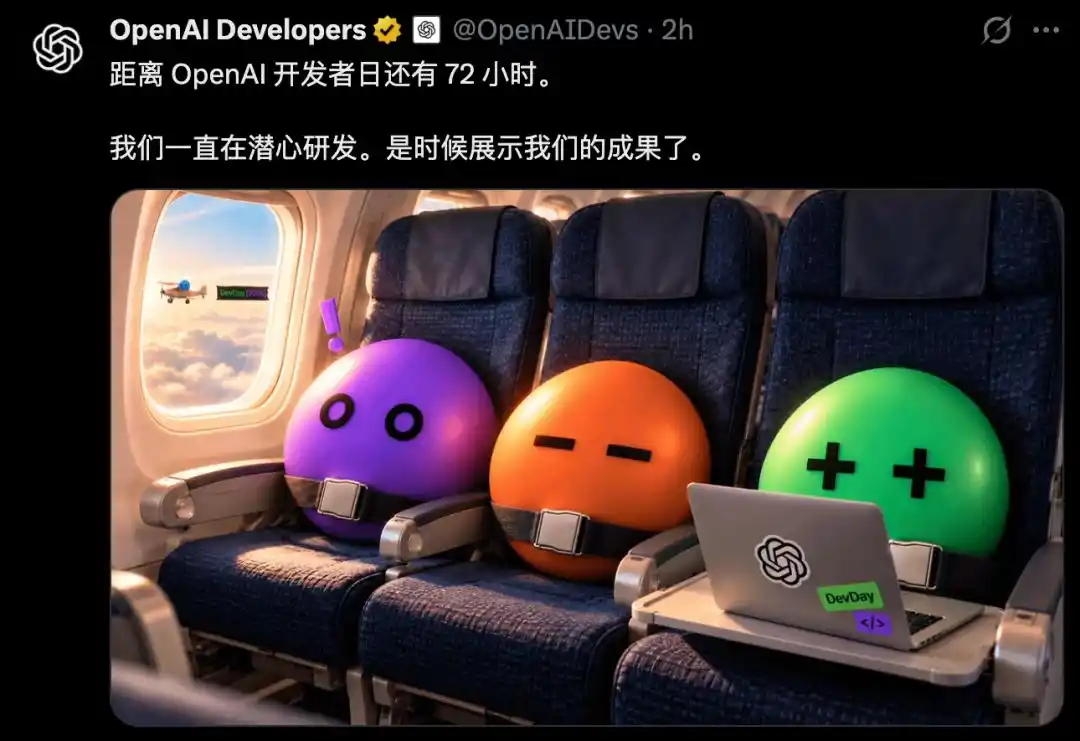
Internal configuration reportedly set “o” as the display name and included an email suffix, “-o.” The article adds one more signal from OpenAI’s developer account: “72 hours until DevDay, we’ve been building, time to ship.” Taken together, those details are presented as evidence that OpenAI is preparing a 24/7 agent-style product for DevDay.
What the article says is already known
The product’s reported positioning is simple: it stays online and keeps running. The article says “o” is meant to operate continuously rather than handle one request and stop.
It also gives a breakdown of who may get access. The reported eligible tiers are $100 Pro Lite, $200 Pro, and a not-yet-launched $500 Pro Max. The $20 Plus plan is excluded, and Codex Plus users are excluded as well. In the article’s reading, that split shows OpenAI is drawing a line between “AI that writes code” and “AI that does work on your behalf.”
Four capabilities described in the leaked details
Based on reverse-engineered configuration cited by the article, “o” appears to involve a broader redesign of both interaction logic and execution architecture. The source groups the reported features into four main areas.
Always-on execution in a hosted sandbox
The article argues that today’s ChatGPT still behaves like a turn-based system: a user enters a prompt, the model returns text, and the interaction idles if the user does nothing. Long tasks can also be interrupted by timeout or context limits.
By contrast, “o” is said to be linked to an internal project name, “Aeon,” and to run on a variant optimized for long-horizon tasks. The report says it is attached to a persistent hosted sandbox in the cloud. In that setup, a user could hand over a complex business objective and let the system keep working in the background for hours, days, or even weeks, handling environment setup, debugging, and testing until the job reaches a closed loop.
Fast Mode for long tool-using chains
The code reportedly mentions “Fast Mode” repeatedly. The article’s point is that raw text generation speed is not the real bottleneck once an AI system shifts from answering to acting. A single task can involve many rounds of chain-of-thought reasoning, tool calls, returned outputs, and retry loops.
It says a standard model generating 30 tokens per second can still take 20 minutes to complete a complex workflow. Rumors cited by the article claim “o” may connect to a high-throughput inference architecture and dedicated high-concurrency chip clusters, pushing token generation several times faster. Those claims are presented as leaked or rumored details rather than official specifications from OpenAI.
A shared message board for multiple agents
Another line cited in the report is “Shared message board for agents.” The article interprets that as a move away from a single-agent system toward coordinated role-based execution.
It outlines four agent roles described in the source:
- A controller agent, or PM, that breaks down a high-level objective.
- A search agent, described as a researcher, that pulls information through interfaces.
- A code agent, described as an engineer, that runs simulations and validates scripts in the sandbox.
- A review agent that checks outputs, finds issues, and corrects errors.
Under that model, the human user sets the delivery standard and acceptance criteria, while the agents continue to coordinate inside a shared board.
An “-o” email suffix appears in configuration logic
One of the most closely watched details in the article is the “-o” mail-processing logic. If that function reaches production, the assistant could gain a native channel for external communication.
The source offers examples: if a team copies the assistant on a customer email, it could parse attachments and sync them to a board; if a supplier sends a quotation, it could compare the numbers with historical data, prepare an assessment, and return it for user confirmation. The broader implication in the article is that the assistant would begin to operate with a communication identity closer to that of a human employee.
How the article distinguishes “o” from today’s ChatGPT
The source argues that current ChatGPT is already capable of coding and spreadsheet work, but still mainly stops at producing answers. Once the page is closed, users still have to look up data, fill in Excel files, deploy code, and troubleshoot manually.

That is why the article frames the gap as a shift from “Chat” to “Do.” In its telling, the core point of a resident agent is not conversation quality alone, but the ability to keep working after the user has already stated the goal.
The competitive backdrop mentioned in the source
The article says OpenAI is not early to this category. It points to Grok Bot from Musk’s SpaceXAI, which it says launched at the start of last month. Its design, as described there, gives each bot a dedicated cloud computer that logs into existing human tools and keeps running even when the computer is shut. Multiple bots can also send messages to one another and collaborate in group chats.
Meta’s Muse is cited as another fast-moving rival. The article says Mark Zuckerberg described it as a personal agent that understands a user’s goals and works 24/7 on their behalf. It also claims Muse topped the App Store after 13 days and outperformed Claude and Grok over the same early period in downloads.
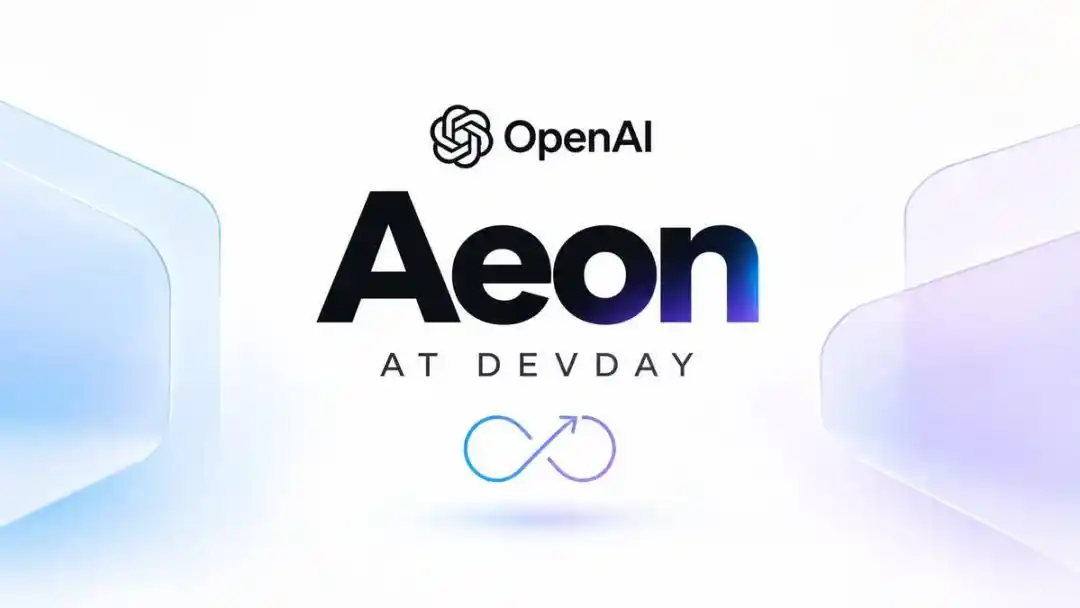
Sept. 29 DevDay is the date highlighted in the report
Putting the code findings, upgrade-page text, developer-account messaging, and outside discussion together, the article presents Sept. 29 OpenAI DevDay as the likely launch window for “o.”
OpenAI has not provided a formal product description in the supplied material. Still, the details cited there consistently describe “o” as an always-on AI assistant for higher-tier Pro users, with 63-language support, Fast Mode, multi-agent coordination, and email-related logic aimed at long-running execution rather than one-off answers.
The report lists two reference links: https://x.com/kimmonismus/status/2103823673954087231 and https://x.com/MehdiCade/status/2103871525510144296?s=20. It also states that the original article came from the WeChat public account “新智元,” authored by ASI启示录.