
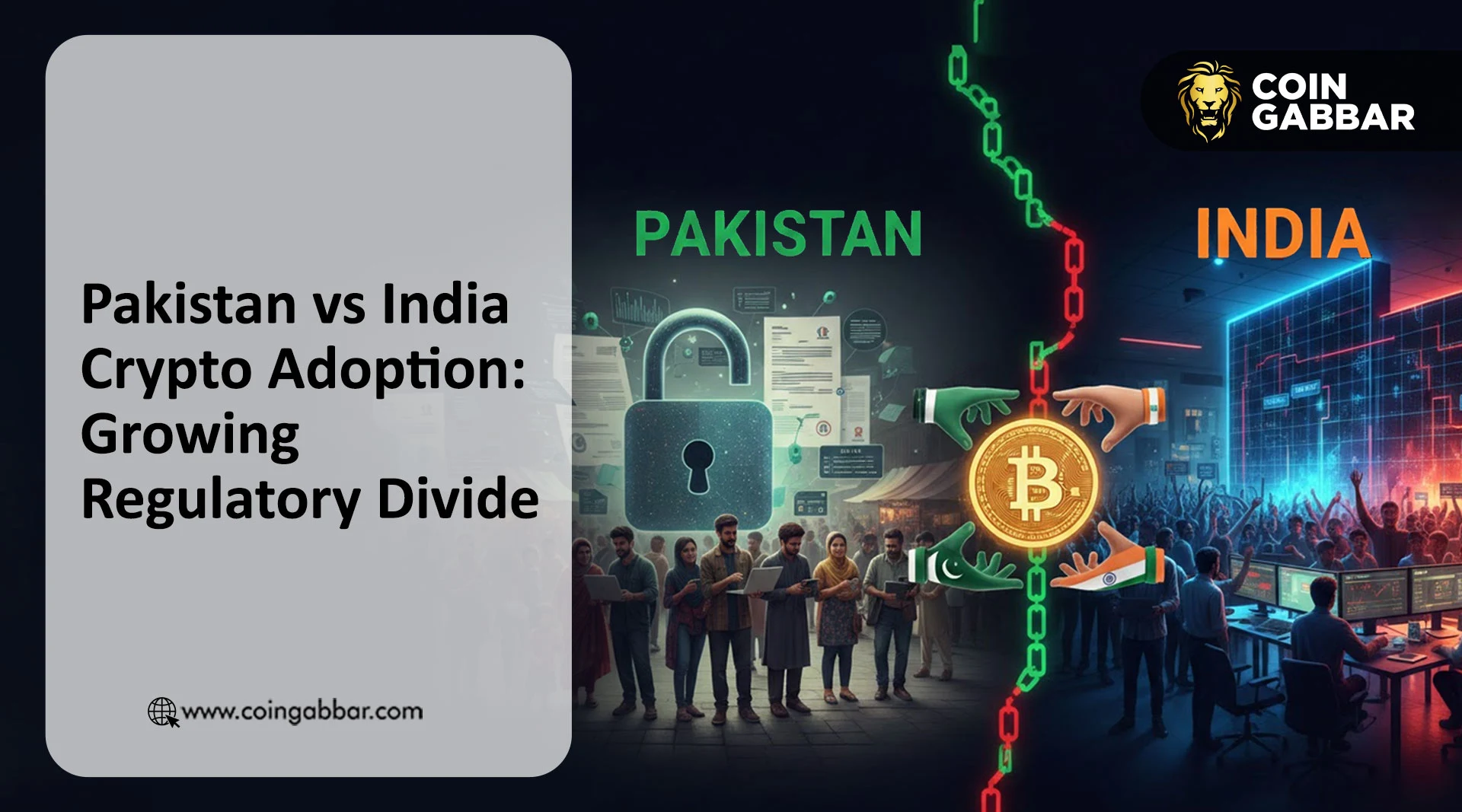
Feb. 20, 2026, marked a clear policy move in South Asia: Pakistan’s Virtual Assets Regulatory Authority, or PVARA, officially launched a regulatory sandbox for digital asset and Web3 firms. The contrast with India is hard to miss. Pakistan is testing supervised crypto use cases in real market conditions, while India still allows holding and trading without putting a dedicated legal framework in place.
Pakistan targets remittances, stablecoins and tokenization
PVARA’s sandbox is designed to let companies test products under government oversight rather than in an unregulated setting. The focus areas are specific: tokenization, stablecoins, crypto remittances, and fiat on- and off-ramps. Those choices align with Pakistan’s domestic needs. The country receives more than $30 billion in annual remittance inflows, and blockchain-based transfers are being framed as a way to make cross-border payments faster, cheaper and easier to track.
The structure is meant to limit user risk while still giving startups room to build. According to the source material, the move has been welcomed by local and international crypto communities, which view it as a shift away from uncertainty and toward regulated adoption.
India remains a major market without a dedicated law
India presents a different picture. Crypto can be legally held and traded, yet the sector still operates without a dedicated law, leaving the market in a regulatory grey area. The central bank and the government have not treated crypto as a safe option. Exchanges are required to comply with strict AML obligations under FIU-IND, and taxation remains heavy: 30% on gains and 1% TDS on transactions.
The report also says India’s policy emphasis has leaned more toward digital infrastructure such as artificial intelligence and the UPI payments system, rather than toward building a formal framework for digital assets. That has left a large and active user base operating in a market where legality exists, but policy clarity does not.
Adoption data shows two very different policy tracks
Chainalysis data cited in the article places Pakistan among the fastest-growing crypto markets in 2025, ranking second in APAC and third globally, behind only India and the United States. The report links that rise to broader economic pressure, including a narrow tax base, weak exports, climate vulnerability, dependence on remittances and an expensive business environment. In that context, decentralized money has drawn more interest.
India, by comparison, still dominates on user scale and remittance volume. The article says the country recorded a record $135 billion in remittances in 2025 and has more than 100 million digital asset users. Major exchanges including Coinbase, Binance, KuCoin and Bybit have resumed operations after facing heavy fines and strict compliance requirements. Even with that pressure, trading activity has not faded; estimates in the report suggest 70% to 75% of volume has shifted to offshore platforms.
2026 may widen the policy gap
As Pakistan rolls out guidance tied to the sandbox, the gap between the two markets could become more visible. Pakistan is currently taking a controlled-adoption route, using supervision and limited testing instead of blanket restriction. India still has the larger market footprint, but the article notes that prominent voices in the sector continue to argue that real adoption growth depends on clear regulation.
Right now, the main divide is not whether users want crypto exposure. It is whether policymakers are prepared to give that demand a defined legal structure.