
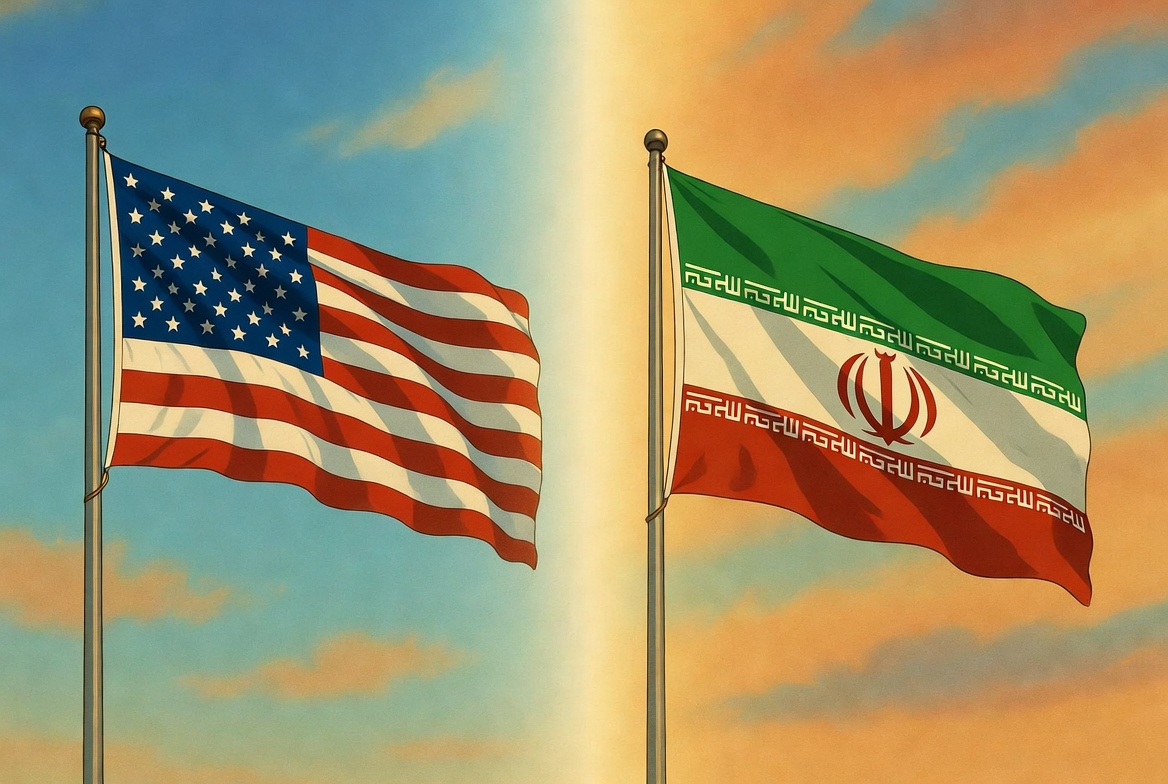
A Pakistani official said the United States and Iran are expected to hold a second round of talks, according to a report cited by the financial news account @DeItaone. The remark drew attention quickly after a tense 24-hour stretch in which the standoff appeared close to slipping out of control.
The source material describes Pakistan as a key mediator in the current crisis. Its official signal carried weight because markets were already watching every headline tied to Washington and Tehran. In that setting, even a short public comment from a mediation channel was enough to shift focus from confrontation to possible diplomacy.
Tensions escalated sharply over the previous 24 hours
According to the report, US President Donald Trump ordered that mine-laying boats in the Strait of Hormuz be treated with a “shoot on sight” approach, while also issuing a 3 to 5 day ceasefire ultimatum. Iran, for its part, had said earlier that it would refuse to attend Friday talks. Later, reports emerged that Tehran’s air defense system had been activated without warning to intercept an unidentified hostile target.
Those developments hit commodity markets immediately. The material says US crude oil futures jumped by more than $5 in a short move. That reaction helps explain why the Pakistani official’s comment mattered: at a moment when military signals and diplomatic contacts were colliding, any indication of a renewed negotiating track became market-sensitive information.
No details yet on timing or format
Based on the available material, Pakistan did not disclose when the next round might begin, where it could be held, or what level of officials would take part. The central point was narrower: a second round of US-Iran talks is now being anticipated.
For now, attention remains on two near-term questions raised by the report itself: whether Washington and Tehran will in fact return to the table, and whether any fresh security incident will emerge before diplomatic contacts can move ahead.