
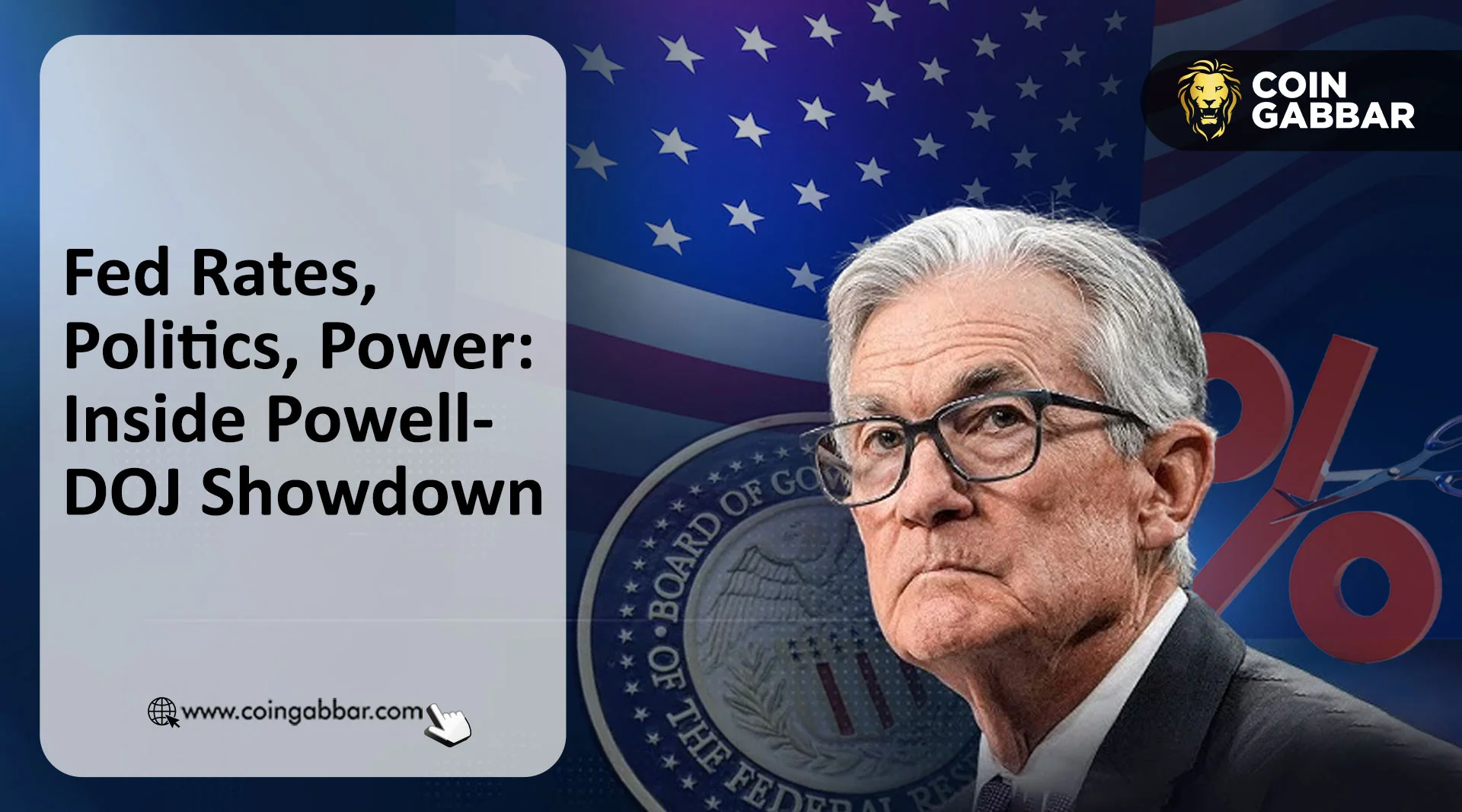
Federal Reserve Chair Jerome Powell made an extraordinary accusation on January 11, 2026, alleging that the Department of Justice is using criminal prosecution as a weapon to pressure the central bank into cutting interest rates. He directly tied the investigation to the Fed's refusal to follow President Donald Trump's demand for rate cuts.
Powell confirmed that the DOJ served grand jury subpoenas related to his June 2025 congressional testimony about a $2.5 billion renovation of the Federal Reserve buildings. He called the inquiry a 'pretext,' arguing the real motive is retaliation for the Federal Open Market Committee's decision to hold rates steady on December 18, 2025. The subpoenas arrived just 21 days after that decision.
Timing and implications: rates, politics, and independence
The FOMC vote—citing inflation risks and steady economic data—defied repeated calls from the White House for aggressive rate cuts. Powell warned that if the administration can use legal threats to influence monetary policy, it could permanently erode the central bank's independence, which has been a cornerstone of U.S. economic stability since 1913. 'The threat of criminal charges is a consequence of setting rates based on evidence, not presidential preferences,' he stated.
Market reaction and political fallout
Stock futures turned negative, the dollar softened, and volatility spiked immediately after the news. Bipartisan concern emerged on Capitol Hill. Republican Senator Thom Tillis questioned the DOJ's credibility, while others warned of executive overreach. 'If Powell gives in, future chairs will face the same pressure. If he resists, prosecution or removal could install a more compliant successor,' analysis notes. Either path risks reshaping U.S. monetary governance.
Powell said he intends to continue his duties 'with integrity.' Many market participants have yet to grasp the full consequence, but experts caution this could become the most significant shift in central bank governance in over a century.