
Pumpfun Go: Pay Anyone to Do Anything
In early June, the overseas meme coin launchpad Pump.fun rolled out a new product called Pumpfun Go, with the blunt slogan: “Pay anyone to do anything.” Anyone can anonymously create a bounty task, and anyone can anonymously complete it and submit evidence (usually video) to claim the reward, which is paid out in cryptocurrency. To prevent creators from backing out, the platform requires the full bounty to be deposited into a third-party escrow account at creation. Pumpfun Go's team then reviews submitted evidence according to the criteria set by the bounty poster and decides the winner.
According to official data, within less than a month of launch, the platform listed 238 bounty tasks. Completed tasks paid out a total of $605,000, while pending tasks held $225,000, giving an average bounty of $3,487. Although the platform was originally designed to incentivize meme coin marketing (e.g., wearing a mascot costume, performing stunts), it quickly descended into absurdity and chaos.
From Licking Toilets to Forehead Tattoos: A Tour of the Bounties
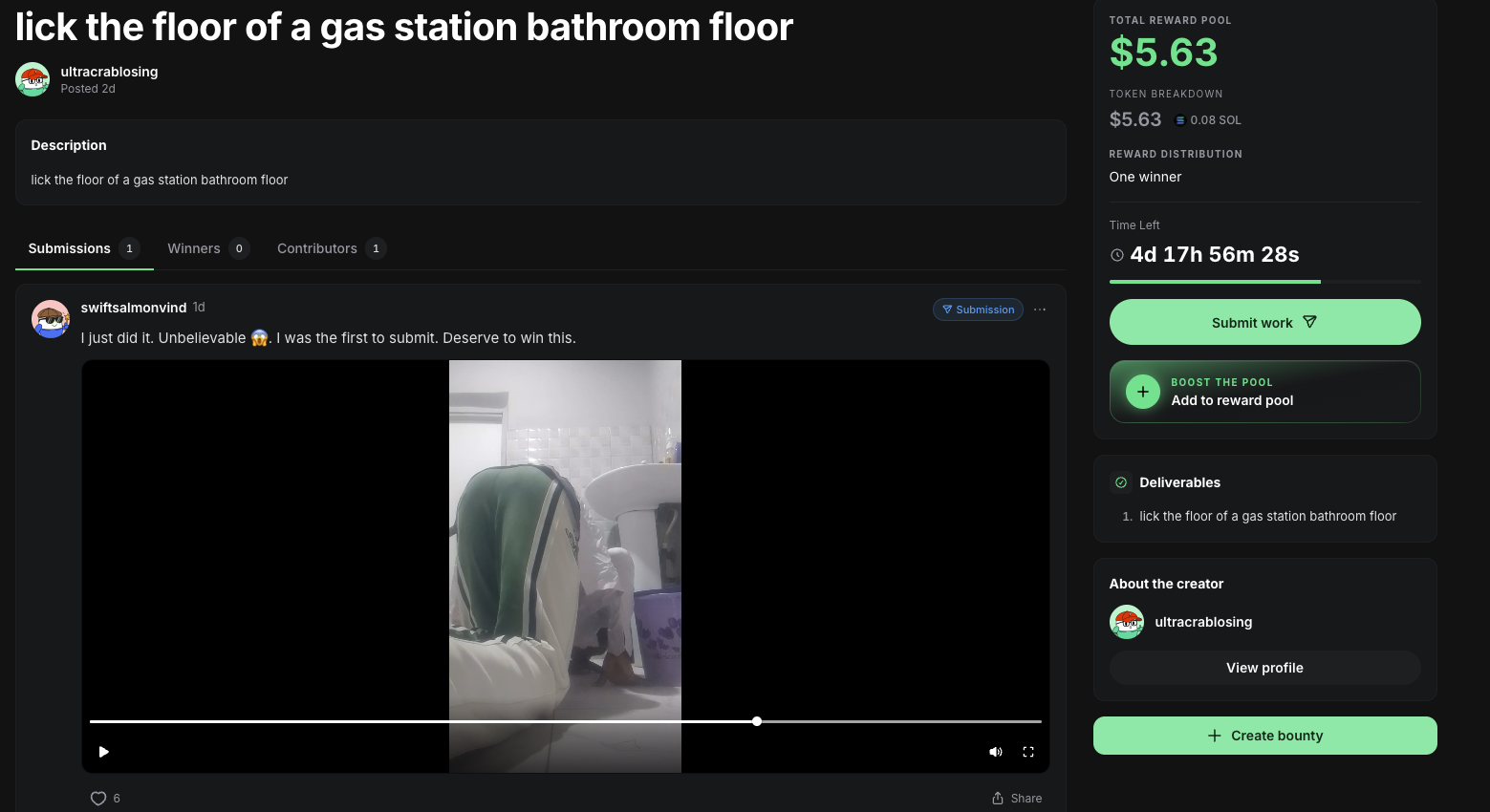
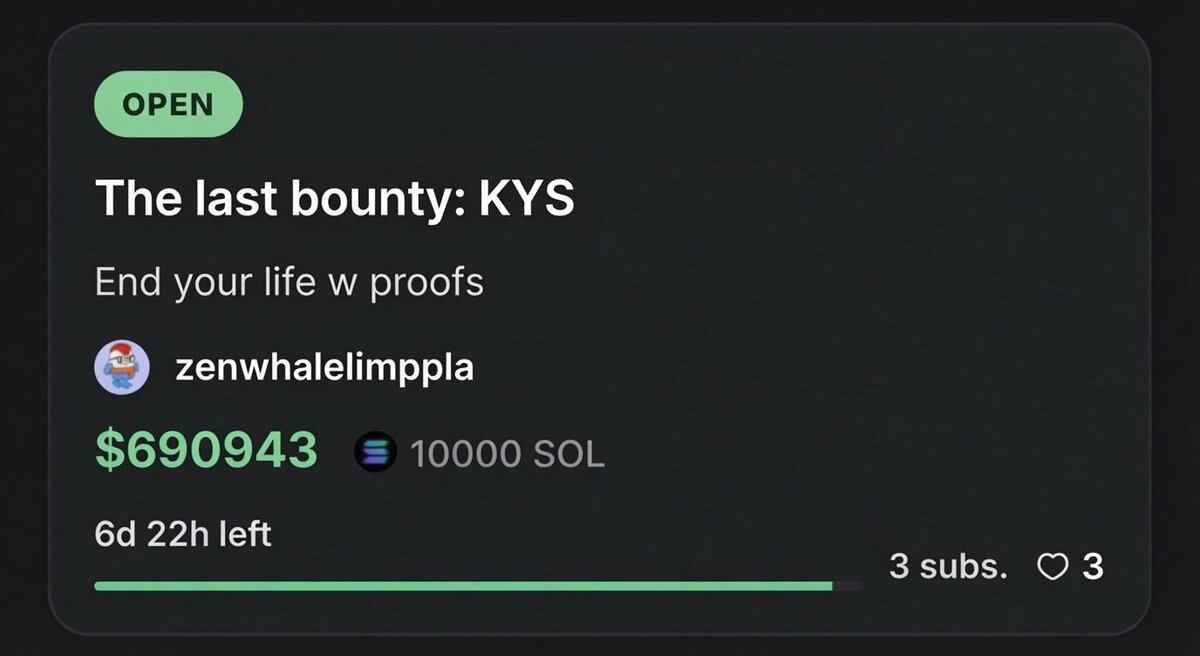
One of the most shocking tasks is “lick a gas station toilet floor.” A Black man submitted a video completing exactly that, earning just $5.63 (about 40 yuan). Other examples include eating live insects ($174), quitting your job in front of your boss ($3,000), and getting a meme coin logo tattooed on your forehead. The most extreme bounty is a suicide challenge offering 1,000 SOL (roughly $700,000), which has drawn widespread condemnation.
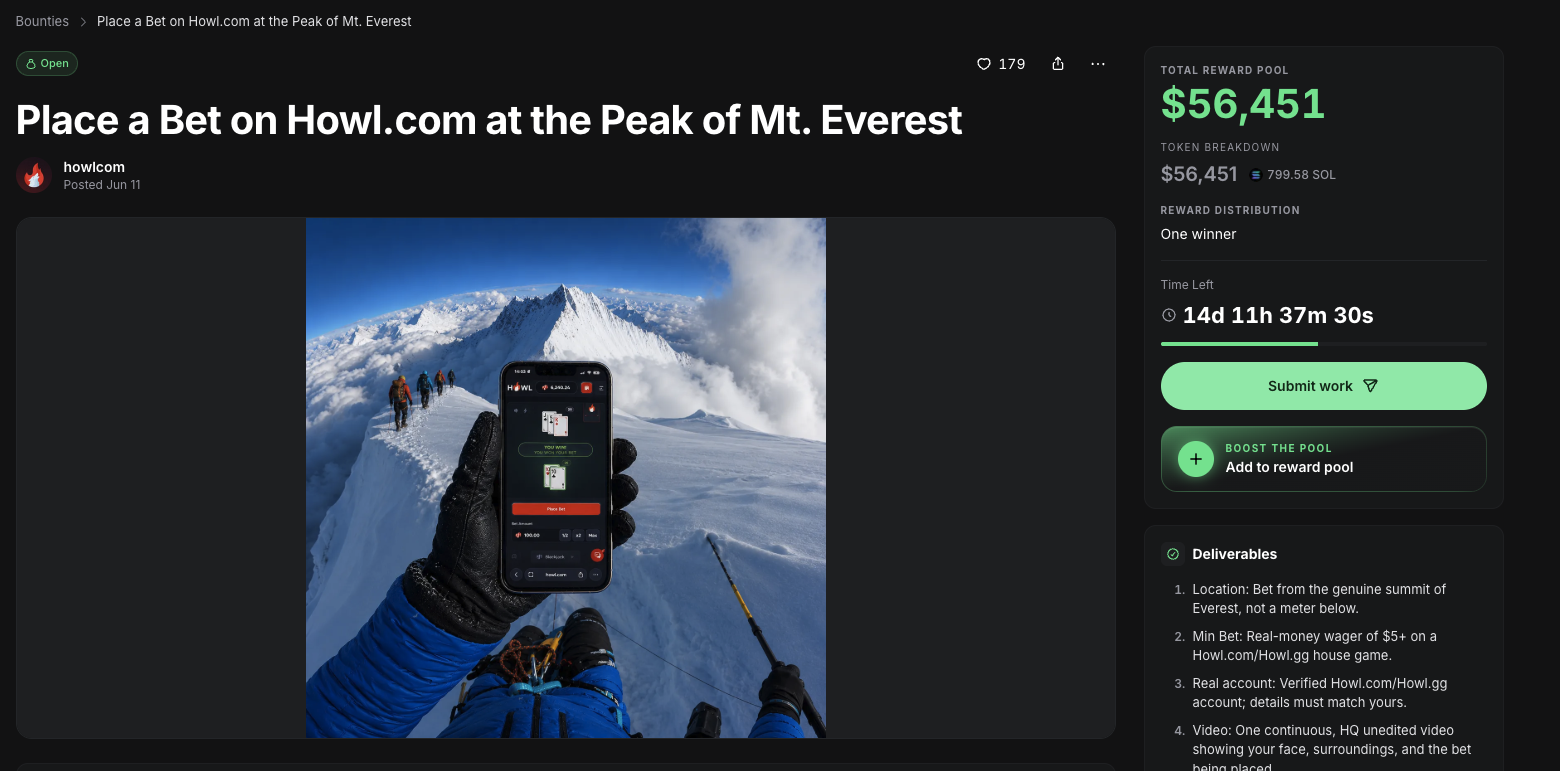
The top three highest bounties are: an online gambling platform posting ~$56,000 for someone to climb Mount Everest and place a bet on their site; a meme project offering ~$28,000 for running a marathon in a memecoin mascot costume and breaking the world record (3 minutes 14 seconds 46 for mascot marathons); and another offering ~$26,000 for visiting every team’s match venue at the 2026 FIFA World Cup and shouting a promotional slogan. Most tasks are directly tied to promoting specific meme coins.
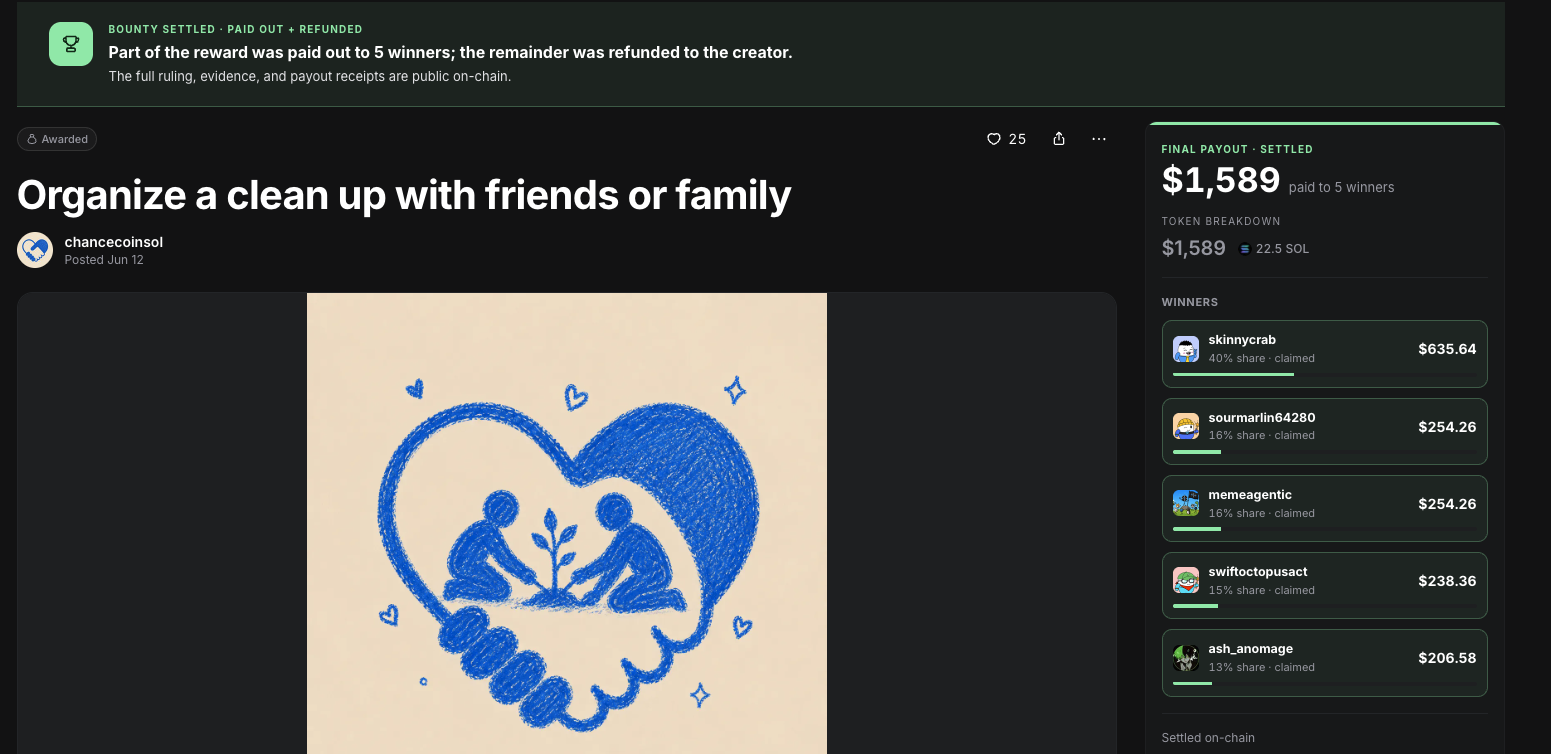
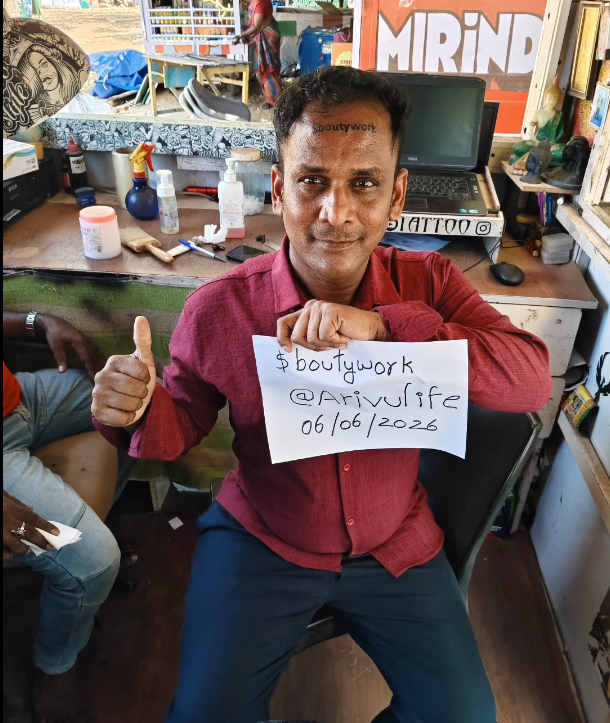
The highest individual payout went to user “riri_z1,” who received ~$14,000 (about 95,000 yuan) for tattooing “bounty.fun” on his forehead. However, reports suggest the actual tattoo recipient may have been an elderly man hired by a task seeker, and how much he actually received is unknown. The first forehead tattoo was done by “arivu,” who inscribed the meme coin “$bountywork” on his forehead. But the task creator misspelled it as “$boutywork,” so arivu had to redo the tattoo. He ultimately received two bounties totaling ~$6,000 (about 40,000 yuan). In his submission, arivu expressed gratitude to the creator and Pump.fun for creating opportunities that “truly change people’s lives.”
Moral Controversy: Exchange of Dignity for Survival
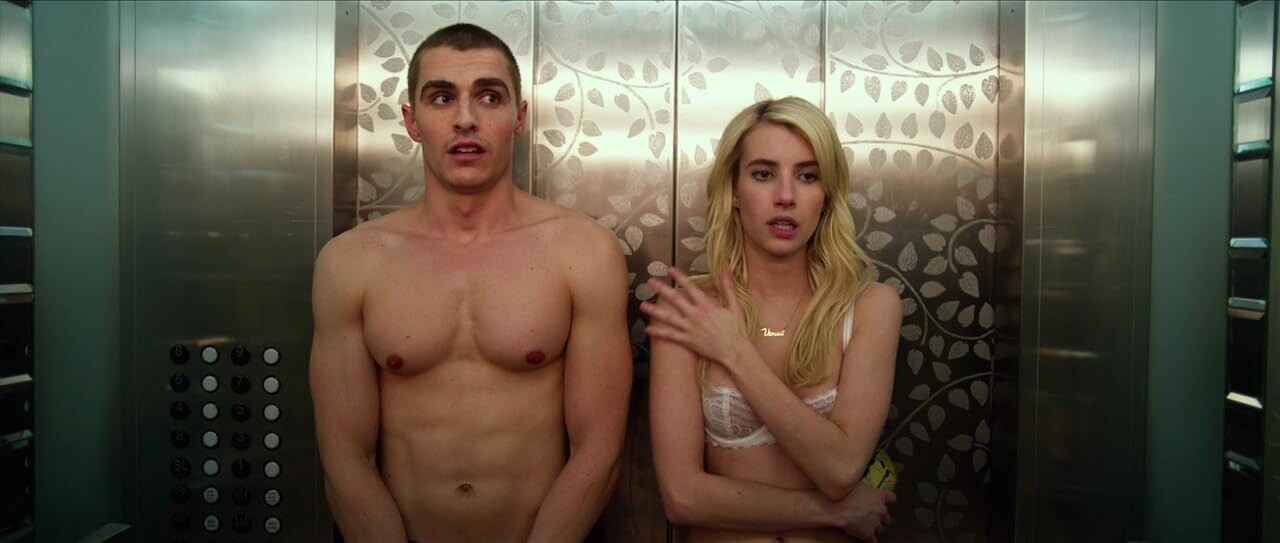
Pumpfun Go quickly drew comparisons to the Black Mirror episode “Common People” (Season 7, Episode 1) and the 2016 film Nerve, where viewers pay to design increasingly dangerous challenges for contestants. Although the platform bans violence, defamation, threats, discrimination, and pornography, it cannot prevent tasks that are merely humiliating or grotesque. Critics argue that the platform essentially incentivizes vulnerable people to degrade themselves in public for money, amplifying the darkest aspects of human nature.
New York Governor Kathy Hochul directly referenced Pump.fun’s launch post, saying “the first thing to do should be to offer a bounty for a bill that bans this dystopian nightmare.” (Pump.fun’s parent company Baton Corporation is based in New York.) In response, supporters countered that Pumpfun Go does not widen inequality but instead offers a lifeline to those struggling financially. One challenger, xavz, completed the “quit in front of boss” task for $3,000, writing: “I earn $3,000 in one day, while my company paid me only $200 a month. This is a better opportunity.” He saw it as a new form of wealth distribution.

Platform Response and Underlying Logic: Redistribution or Exploitation?
Amid the storm of criticism, Pump.fun’s only public move was to announce on June 25 that it was hiring a Chief Legal Officer (CLO) with an annual salary of $1–5 million — widely seen as preparation for legal challenges. In essence, the platform’s mechanism is a closed loop: the rich buy novelty and humiliation; the poor trade their bodies and dignity for money; and spectators consume the spectacle from the sidelines. While it may appear as a mutually beneficial exchange, it reflects a deeper power structure: the real asset of the wealthy is not money, but the desperation of the poor.
The report concludes that using economic inequality to drive people into permanent or high-risk actions for cash is a stain that Pump.fun cannot wash away. From Roman gladiator arenas to freak shows, from viral videos to livestream PK battles, the medium changes but humanity’s appetite for watching others suffer or embarrass themselves remains unchanged. The only flicker of hope is that technological progress—especially AI—might one day generate enough wealth to cover everyone’s basic needs, so that no one has to lick a toilet for $5 or tattoo their forehead for $14,000 just to survive.