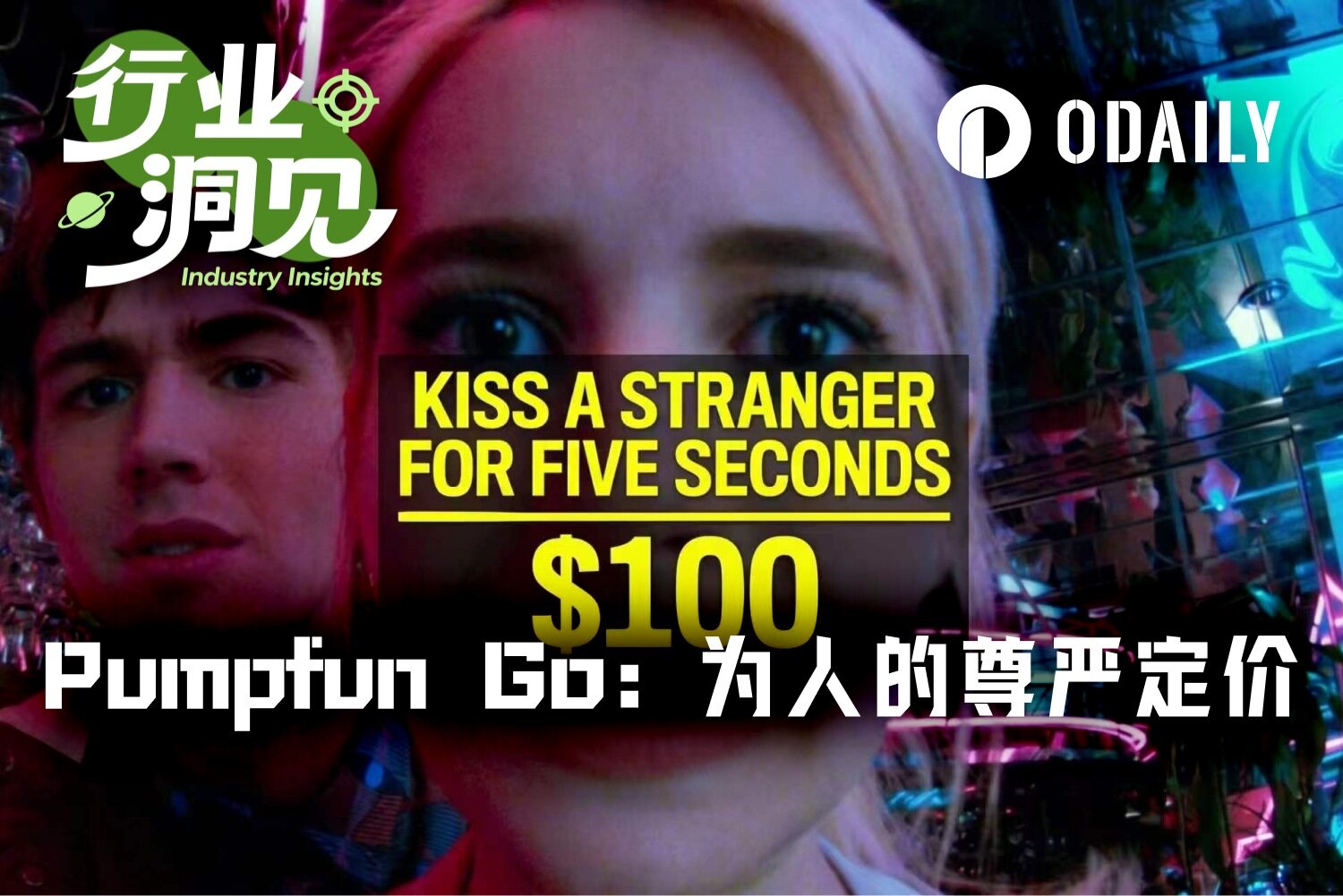
What is Pumpfun Go? Pay Anyone to Do Anything
Pumpfun Go is a new bounty platform launched by Meme coin launchpad Pump.fun in early June 2026. Its slogan is brutally direct: "Pay anyone to do anything." Users can anonymously create tasks, others complete them and submit evidence (mostly videos) to compete for crypto rewards. Creators must fully escrow the bounty upfront, preventing default. The official team reviews submissions and decides the winner. In less than a month, 238 tasks were posted, $605,000 in bounties paid out, $225,000 in pending tasks, averaging $3,487 per task.
From a $5.63 Toilet Lick to a $14,000 Forehead Tattoo: The Most Extreme Tasks
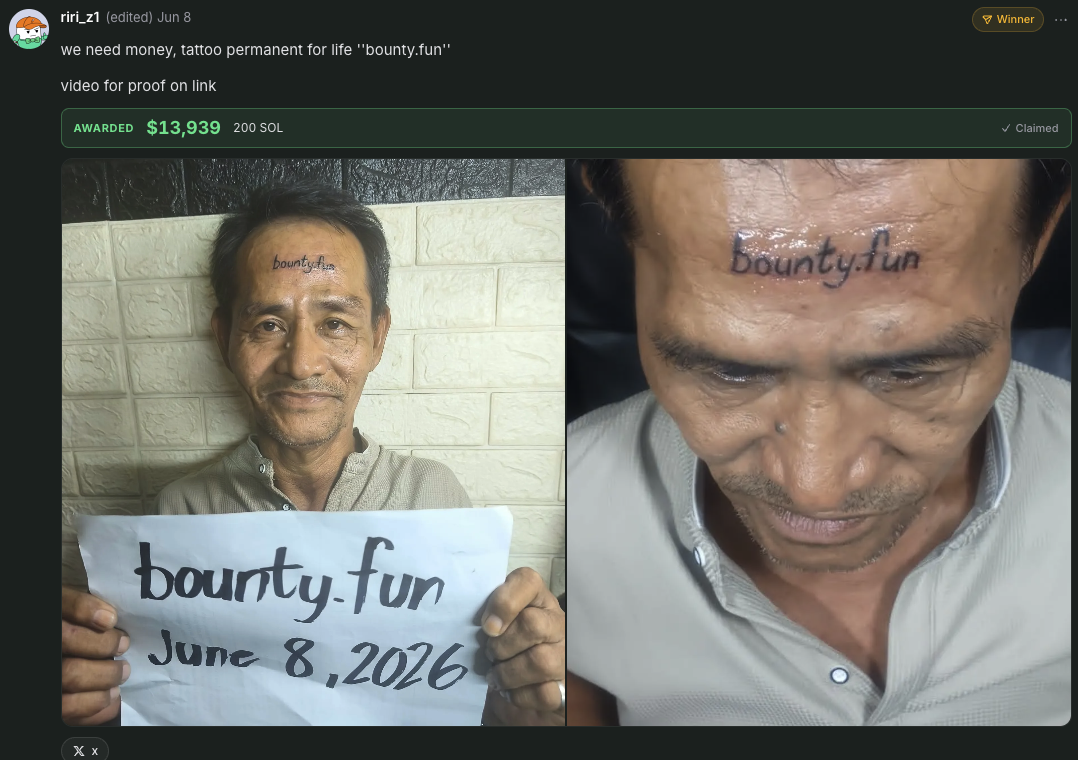
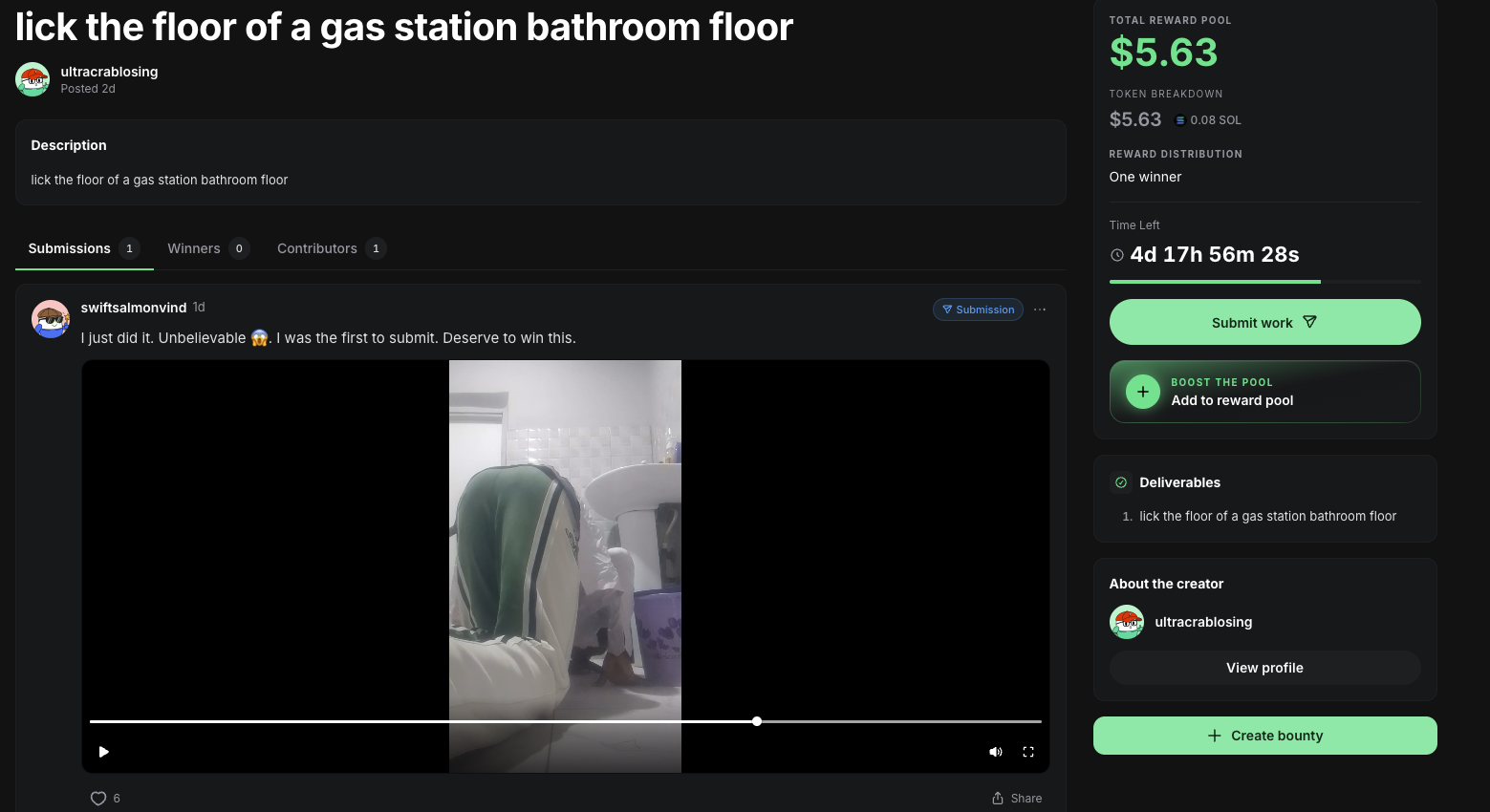
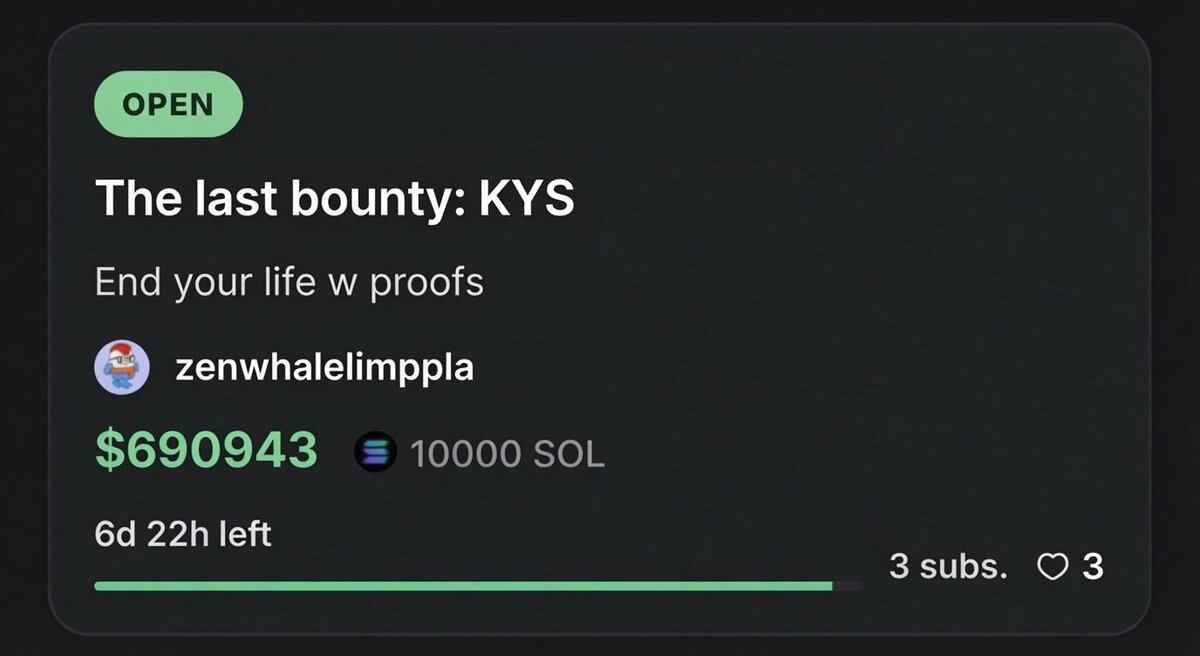
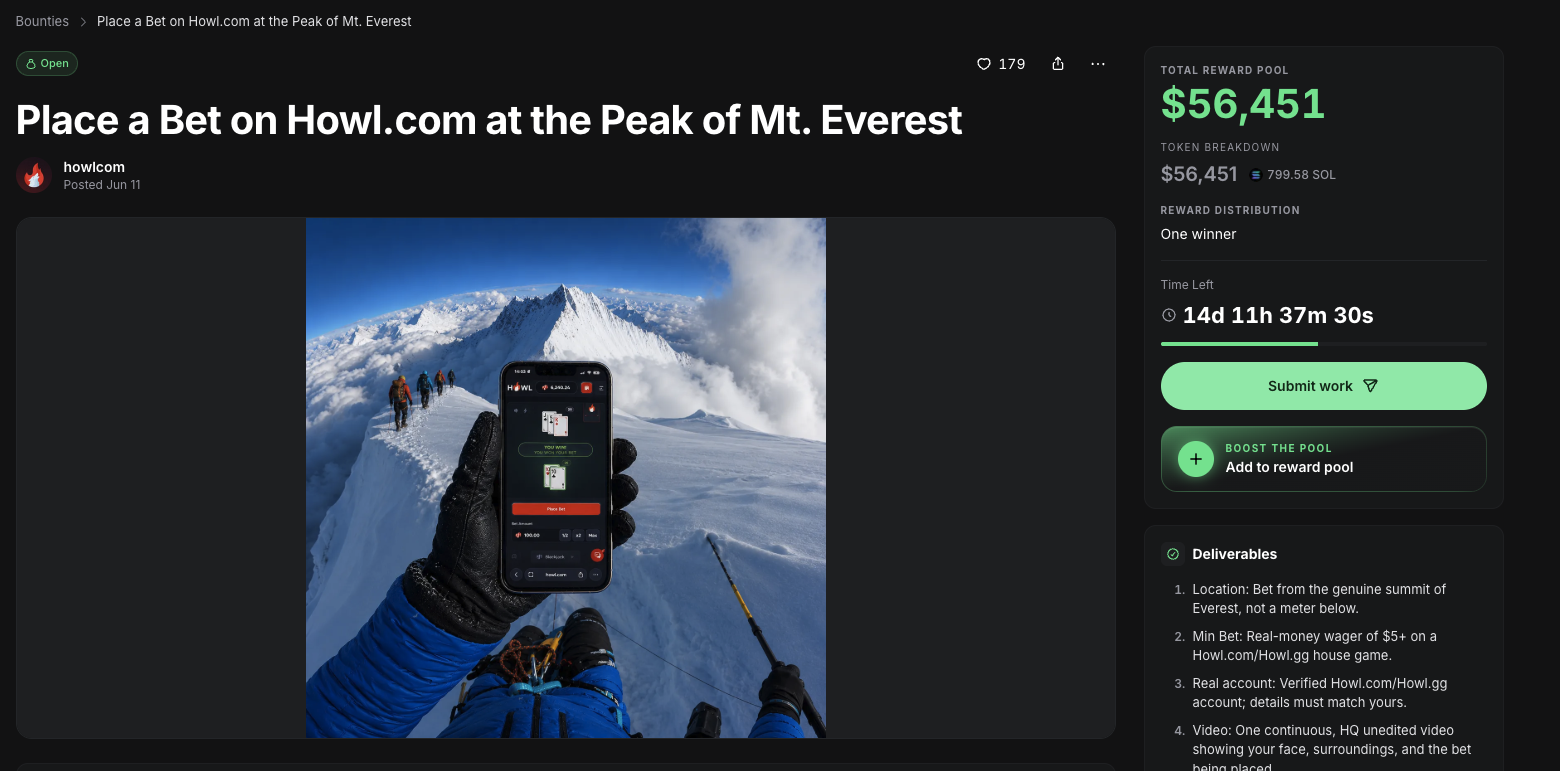
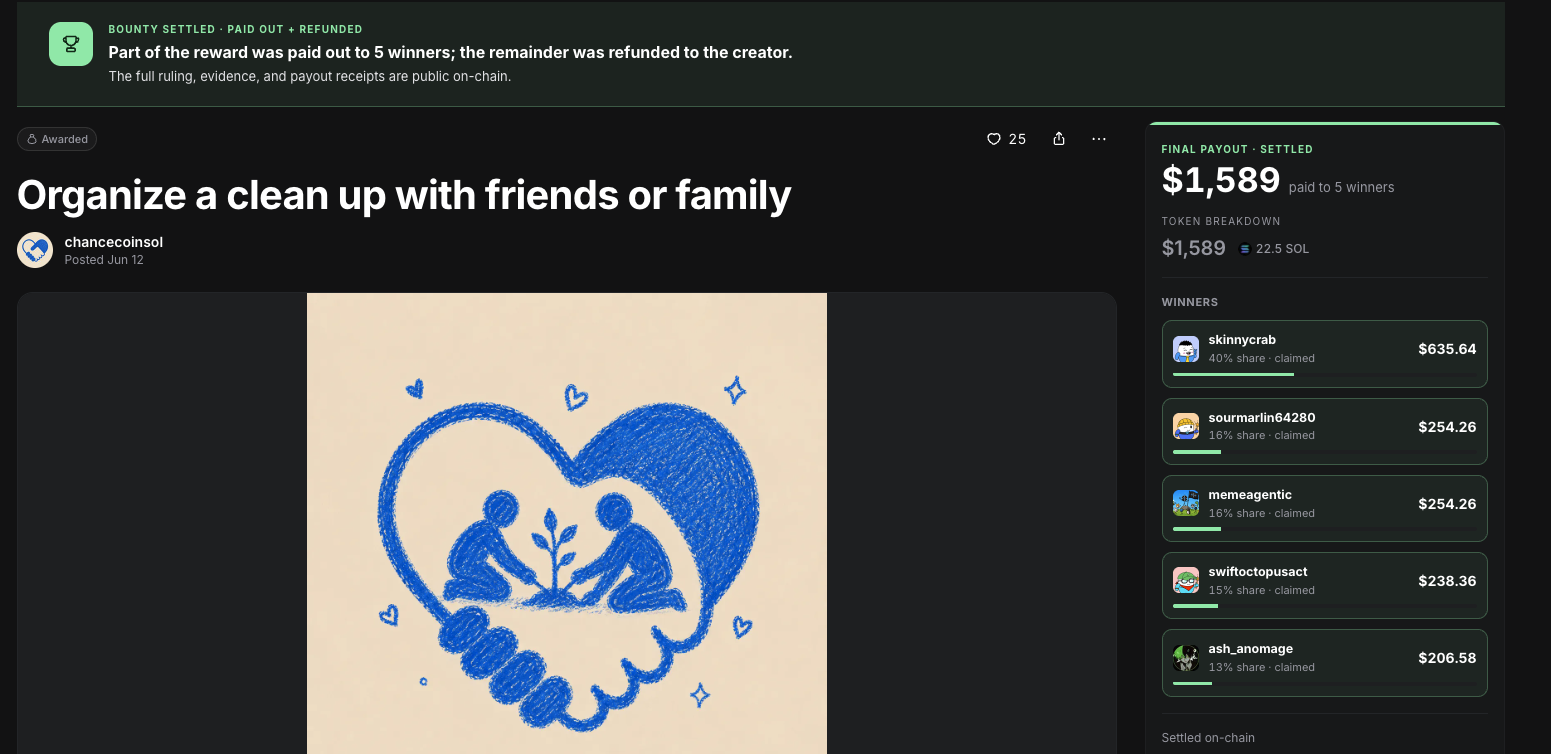
While some tasks are relatively benign (e.g., $1,500 for a litter cleanup), most are degrading or outright dangerous. The cheapest recorded task: licking a gas station toilet floor for $5.63 (~40 RMB). The highest bounties include $56,000 to summit Mount Everest and place a bet; $28,000 to run a marathon in a mascot costume breaking a world record; $26,000 to attend every 2026 World Cup match site and shout a token slogan. The most notable individual feat: user "riri_z1" earned ~$14,000 for tattooing "bounty.fun" on his forehead—though reportedly he paid an elderly man to do it, with no one knowing the actual cut. Another challenger "arivu" received ~$6,000 for two forehead tattoos after a typo in the original task, yet expressed gratitude during submission.
Meme Coin Hype and Human Experimentation
The vast majority of tasks are designed to promote specific Meme coins. Shock value, humiliation, and outrageousness naturally attract more attention than positive content, fueling token narratives. Examples include eating live worms ($174), quitting a job in front of a boss ($3,000), organizing a "NEET" parade in NYC ($14,000), etc. Platform rules prohibit violence, discrimination, and explicit content, but cannot stop "one party willing to pay, the other willing to suffer" arrangements. Critics compare Pumpfun Go to a real-life "Black Mirror" episode or the film "Nerve"—the rich buy entertainment and degradation, the poor trade dignity and health for survival, while spectators consume it all online.
Controversy and Regulatory Pushback
New York Governor Kathy Hochul directly referenced Pumpfun Go, calling for a bill to ban this "dystopian nightmare." Supporters fired back, arguing the platform is no worse than the state's homelessness crisis. One challenger, xavz, who quit his job for a $3,000 bounty, claimed he earned more in one day than his monthly salary of $200, seeing the platform as an opportunity. Pump.fun itself has remained silent on the ethical debate, only posting a job opening for a Chief Legal Officer (CLO) on June 25 with a $1–5 million annual salary.

Deep Reflection: Economic Inequality and the Digital Age's Barbarism
The article argues Pumpfun Go mirrors society's power structure: the rich's greatest asset is not money, but the poor. When people are desperate enough, dignity, body, and reputation become commodities. The platform exploits economic inequality, incentivizing permanent or high-risk behavior in exchange for money—a sin that cannot be washed away by claims of voluntary participation. From Roman gladiators to freak shows to live-streaming stunts, the morbid curiosity of watching others in pain or humiliation has never changed. Only when AI-generated wealth covers everyone's basic needs may humanity finally escape this millennia-old savagery.