
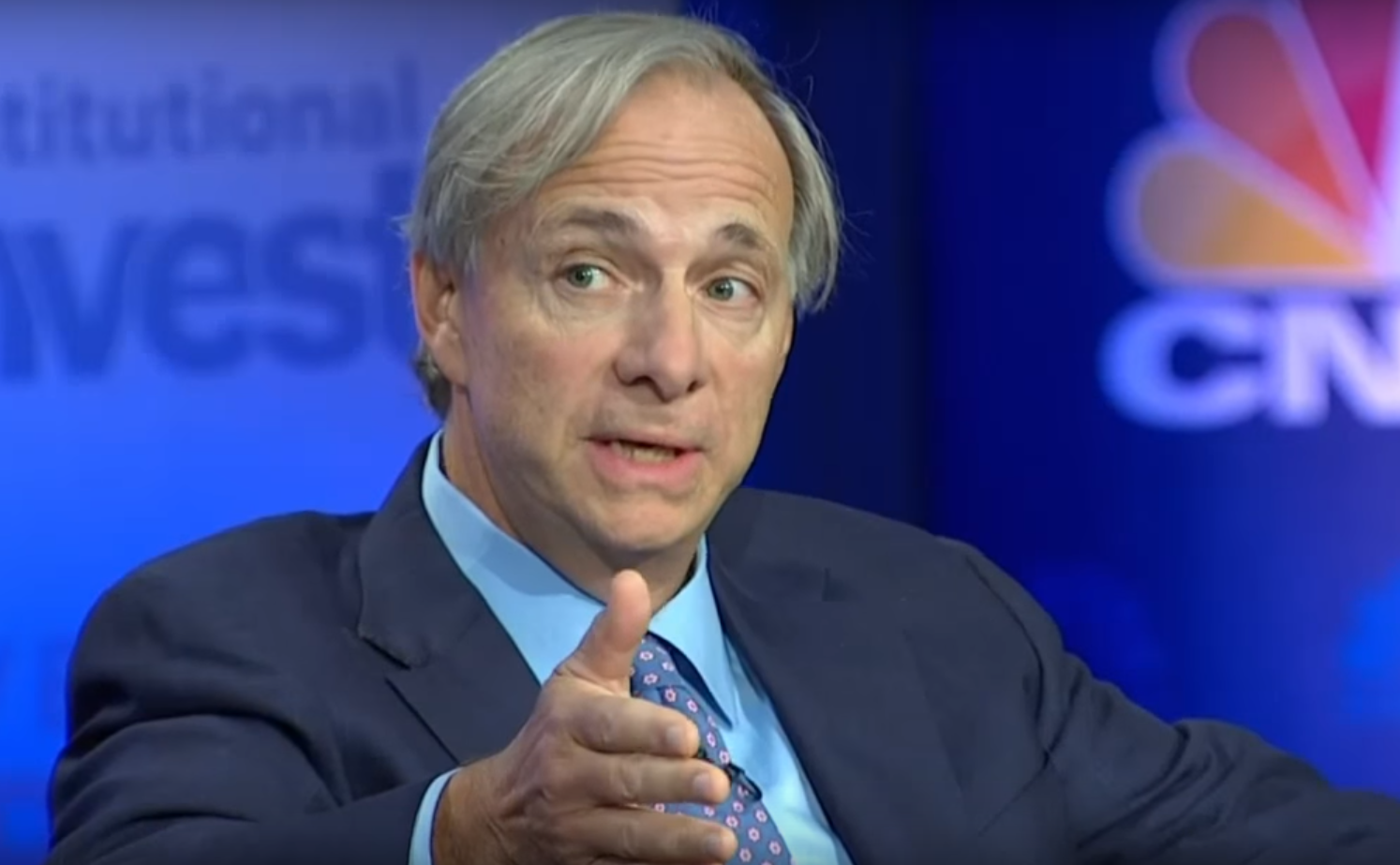
Ray Dalio says one of Bitcoin’s best-known features may also be a major barrier to official adoption. In a post on X, he wrote that “Bitcoin lacks privacy. Transactions can be monitored and potentially controlled, which is why central banks aren’t looking to hold it.” His argument targets Bitcoin’s suitability as a reserve asset, even as corporations and institutional investors have added exposure.
Dalio is not speaking as an outsider to the asset. He has previously said that about 1% of his portfolio is allocated to bitcoin. Still, his latest remarks draw a sharp distinction between private investors buying BTC and central banks choosing what to place on reserve balance sheets.
Public ledger design leaves fund flows visible
Bitcoin runs on a decentralized public ledger where every transaction is recorded permanently and can be viewed in real time. Anyone using a block explorer can enter a wallet address and inspect its transaction history. Wallets are pseudonymous, not directly tied to legal identities on-chain, but blockchain analytics firms and law enforcement agencies are often able to follow fund movements and connect activity back to individuals or institutions.
That means BTC transfers are highly transparent and traceable, even when names are not immediately visible on the ledger itself. Supporters have long presented this transparency as a strength. Dalio’s point is that the same feature looks very different from the perspective of a central bank accumulating reserves under public scrutiny.
Privacy concerns extend beyond sovereign holders
The privacy issue is not limited to central banks. At Consensus Hong Kong in February, participants said large-scale institutional adoption of blockchain technology may depend on stronger privacy tools, especially for large transactions. For institutions moving sizable amounts of capital, visible on-chain activity can create obvious concerns.
Market performance has also highlighted rising attention on privacy. Privacy-focused coin zcash, or ZEC, has climbed more than 800% since early 2025, while bitcoin is down more than 10% over the same period. That comparison does not by itself prove causation, but it shows that privacy has become a live theme in crypto market pricing.
Dalio also questioned Bitcoin’s reserve-asset behavior
Dalio’s criticism goes beyond traceability. He said Bitcoin faces structural issues that weaken its appeal relative to traditional reserve assets such as gold. One of those issues is its tendency to move with Wall Street, especially technology stocks, instead of trading like an independent store of value during stress periods.
According to TradingView data cited in the report, Bitcoin’s 90-day correlation coefficient with the Nasdaq stood at 0.89 at the time of writing. That implies an R² of 0.79, suggesting that roughly 79% of Bitcoin’s price movement over that period can be explained by its relationship with the tech-heavy index. On that reading, BTC has behaved more like a risk asset than a standalone reserve alternative.