
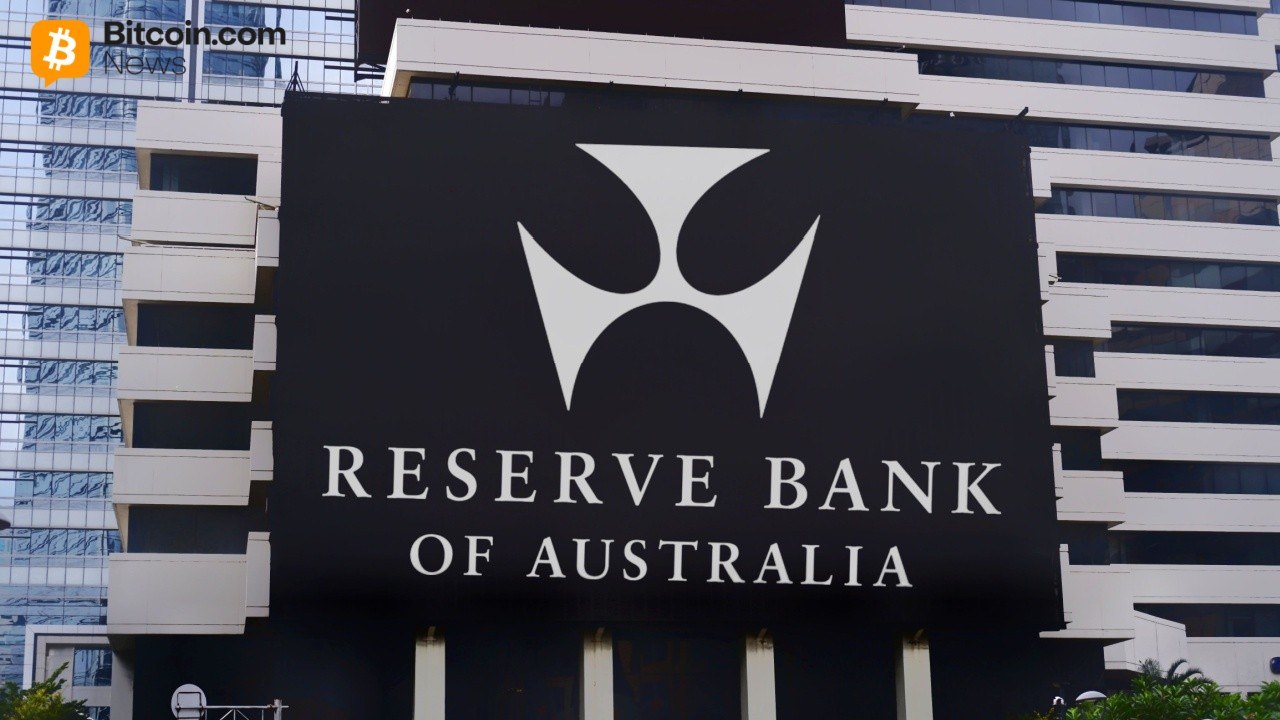
The Reserve Bank of Australia (RBA) confirmed on March 25 that the country is moving beyond tokenization experiments to live deployment of tokenized assets and wholesale digital currencies. RBA Assistant Governor Brad Jones unveiled the findings of Project Acacia, a joint study with the Digital Finance Cooperative Research Centre (DFCRC) and private industry.
Project Acacia: $16.7B Annual Savings from Removing Friction
The research estimates that shifting to tokenized money and assets could save the Australian economy roughly $16.7 billion (AU$24 billion) each year. These savings come from eliminating manual processing, multi-day settlement delays and high capital costs associated with interbank transfers. Blockchain-based ledgers could make wholesale transactions near-instant. “We are moving from the era of ‘what if’ to the era of ‘how to’,” Jones said. The economic case for modernization is now too large to ignore.
DFMI Sandbox: From Short-Term Trials to Long-Term Stage-Gated Environment
To operationalize the findings, the RBA launched a Digital Financial Market Infrastructure (DFMI) sandbox. Unlike previous short-term experiments, this is a long-term, stage-gated environment where commercial banks and fintechs can test tokenized products such as government bonds and investment funds under regulatory supervision. Products that pass the gates can “graduate” into the live economy. Jones stressed the need to ensure new digital systems can still “talk” to existing bank accounts.
Key Challenges: Fragmented Liquidity, Incompatible Platforms, System Resilience
Jones also flagged critical hurdles. Liquidity fragmentation could create a “walled garden” effect, trapping money on incompatible platforms. New digital ledgers must interface seamlessly with legacy bank accounts. Equally important: the new infrastructure must be as unshakeable as the systems it replaces. The RBA’s message is clear: Australia’s financial plumbing is due for an upgrade, but the transition will be measured and cautious.