
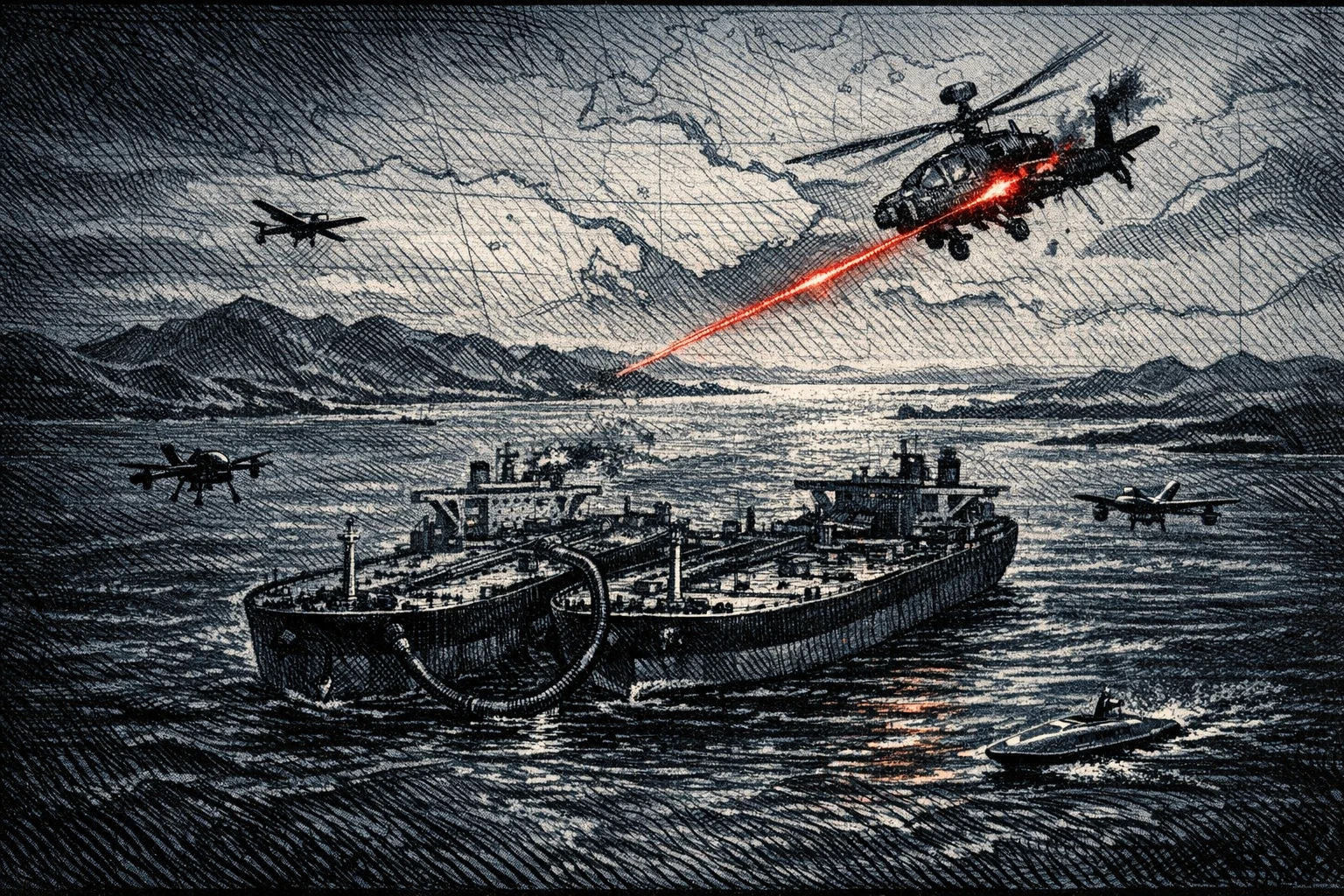
A Reuters investigation said the US military has overseen at least 92 vessels in covert ship-to-ship crude transfers near the Strait of Hormuz since early May, in an effort to keep Persian Gulf oil exports moving. The report said the operations took place off Fujairah in the UAE and Sohar in Oman, with drones, uncrewed surface vessels, and helicopters used to guide and protect the convoys.
The method is notable because ship-to-ship transfers have long been associated with Iranian efforts to move oil outside standard channels. In this case, the report said the same type of maritime relay was used to shift crude in waters outside the most sensitive part of the strait, allowing cargoes to change tankers at sea before continuing onward. The objective was simple: avoid a disruption in exports.
Satellite images and shipping data pointed to sustained activity
Reuters said shipping records and satellite imagery showed the operation had been running since early May. As of June 11, there were still 17 pairs of ships working at the two offshore locations. Crude was being unloaded from one vessel and loaded onto another on the open sea, bypassing the narrowest and most exposed stretch of the waterway.
The significance of Hormuz is clear from the numbers in the source material. About one-fifth of the world’s seaborne crude passes through the strait, so even a limited military clash or interruption to tanker traffic can move oil prices quickly.
Downed Apache was reportedly tied to the escort mission
The report also linked the oil transfer effort to the June 9 incident that triggered US retaliatory strikes on Iran. According to four sources, including a former US official, the Apache helicopter shot down by Iran that day had been on an escort mission related to the crude transfers. Satellite imagery cited in the source showed six pairs of tankers gathered in a small offshore area near Sohar on the same day.
The source material said the helicopter was brought down by an Iranian drone at around 3:30 a.m. off Oman, and that both pilots survived. Later that day, the US launched airstrikes on Iranian air defense positions, ground control stations, and radar sites near the strait. Iran then struck US bases in Bahrain, Kuwait, and Jordan.
Bitcoin was mentioned as risk assets sold off on the day of the strikes
The source also connected the confrontation to crypto market moves. On June 9, the day US forces bombed Iranian targets, Bitcoin briefly fell below $62,000, down about 2%. The article described the move as part of a broader risk-off reaction tied to safe-haven demand and fears around energy and inflation.
What has been disclosed so far centers on military escort and energy logistics. Even so, the spillover into oil pricing, inflation expectations, and short-term crypto trading was already visible in the market action cited in the report.