
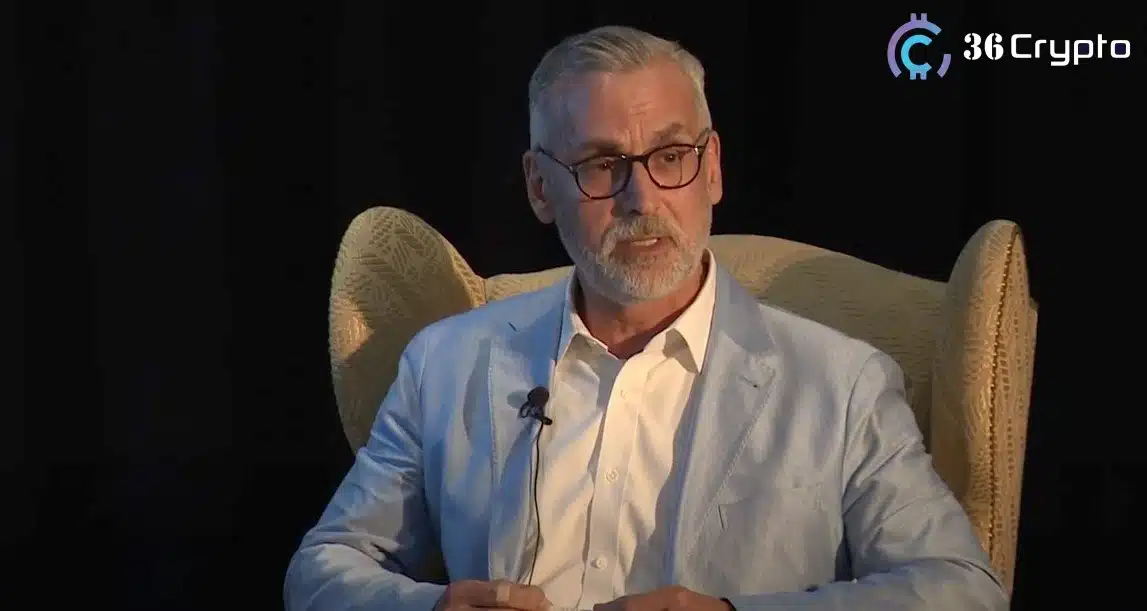
Ripple Chief Legal Officer Stuart Alderoty praised the Senate Banking Committee after it approved the CLARITY Act in a 15-9 vote, calling the bipartisan result a breakthrough for the cryptocurrency sector. The bill moved forward on Thursday, lifting expectations that Washington may be getting closer to clearer rules for digital assets.
In a statement posted on X, Alderoty said the committee vote showed a growing understanding in Washington of how the crypto sector works and what kind of regulation it needs. He said lawmakers were beginning to recognize the importance of building workable rules for blockchain companies operating in the United States. That message goes to the center of the debate: firms have been asking for clearer compliance standards for years.
Ripple highlights bipartisan support in committee
Alderoty also thanked Senators Tim Scott, Angela Alsobrooks, Bernie Moreno, and Ruben Gallego for backing the measure. Their support mattered because the bill needed crossover votes to clear the committee, making bipartisan backing a central part of its advance.
Ripple CEO Brad Garlinghouse backed the legislation as well and framed the issue around practical regulation. He said millions of Americans already take part in crypto markets and should receive protections comparable to those available in traditional finance.
Criticism grows from parts of the crypto sector
Garlinghouse argued that waiting for a perfect bill could slow progress for the digital asset business. His position was that a workable framework would let blockchain companies keep operating while improving investor protections across the market.
Support for the CLARITY Act is not universal. Input Output CEO and Cardano founder Charles Hoskinson criticized Ripple’s support for the proposal because some participants in the industry see the bill as too weak in protecting decentralized projects.
The report also said lawmakers introduced compromises during negotiations to win broader political support before the final vote. Those concessions later drew concern from DeFi advocates, who fear tighter regulatory oversight of decentralized platforms. The bill has cleared committee, but the dispute over where regulation should stop and how decentralized projects should be treated is still active.