
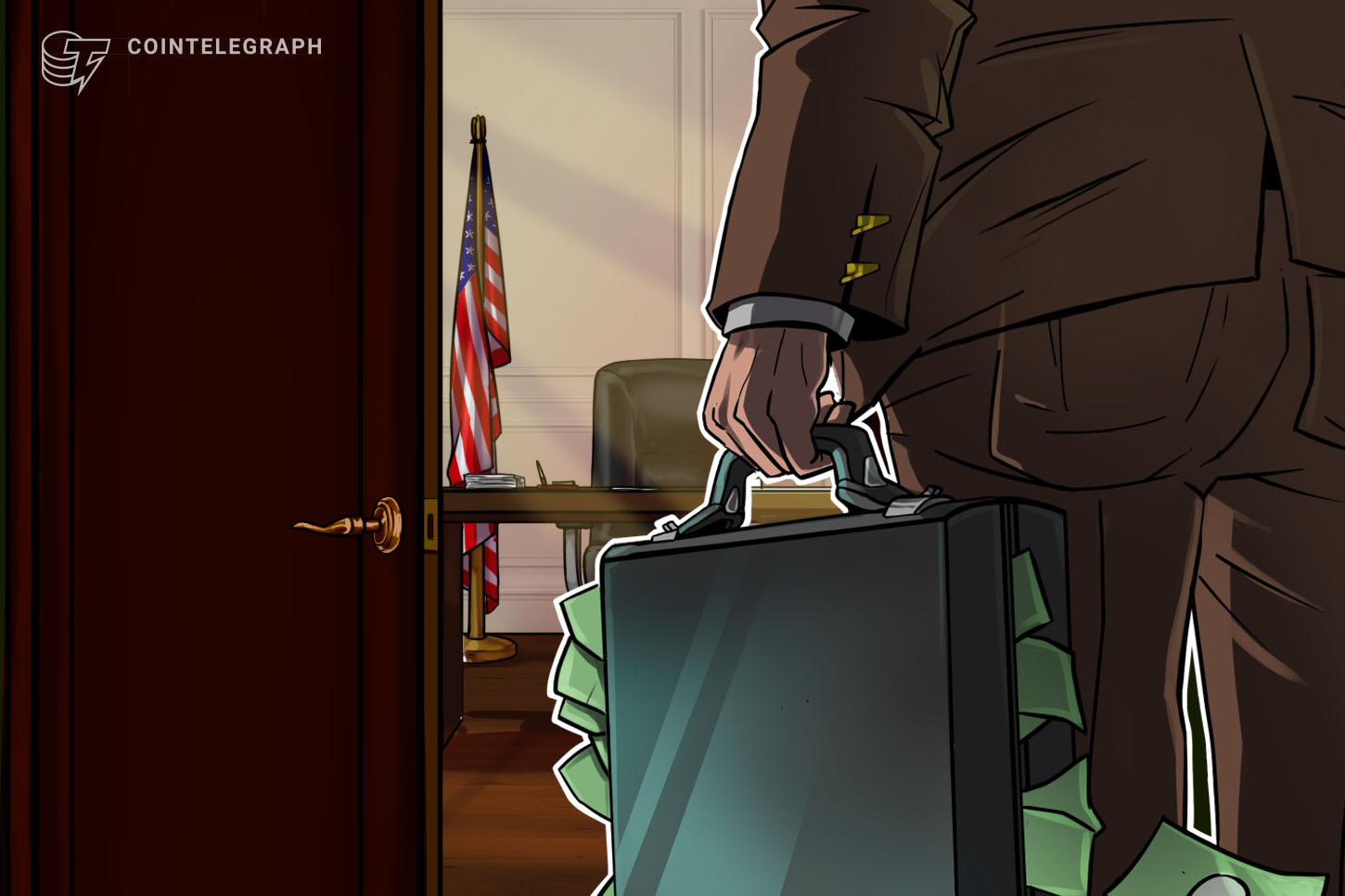
Background: Senator's Son Launches Derivatives Exchange, Ripple Co-founder Invests
According to a report by Cointelegraph, Chris Larsen, co-founder of Ripple, has become an investor in a derivatives exchange founded by the son of U.S. Senator Kirsten Gillibrand (D-NY). The exact name and size of the exchange have not been disclosed, but sources indicate Larsen provided early-stage financial backing. Senator Gillibrand is a key figure in ongoing congressional negotiations over a crypto market structure bill and is currently engaged in ethics discussions surrounding the legislation.
Gillibrand's Response: Denies Involvement in Son's Business, but Questions Persist
Facing public scrutiny, Gillibrand issued a statement asserting she had “no involvement” in her son’s derivatives exchange and emphasized her strict adherence to congressional ethics rules. However, critics point out that Larsen, a major industry figure and Ripple co-founder, is a significant stakeholder in the crypto space, potentially influencing Gillibrand’s stance in the legislative process. As a member of the Senate Agriculture Committee, Gillibrand is co-authoring a comprehensive bill covering digital commodities, stablecoins, and exchange regulation. The revelation has prompted calls for full disclosure of investment amounts and any policy commitments tied to the funding.
Industry Impact: Crypto Legislation Faces Potential Disruption, Conflict of Interest Takes Center Stage
The controversy emerges at a critical juncture for U.S. crypto market structure legislation. Gillibrand’s bipartisan “Digital Commodity Consumer Protection Act” has been viewed as a model for cooperation. Yet the business link between Larsen and the senator’s son could be used by opponents to question the bill’s integrity. Industry analysts suggest the incident may delay the legislative timeline and trigger stricter ethics review mechanisms. Meanwhile, Ripple and Larsen have not publicly commented on the investment details.
Notably, Larsen has long been an active lobbyist for U.S. crypto policy, having contributed to organizations like the Chamber of Digital Commerce. His direct financial support for a policymaker’s relative’s commercial venture further highlights the intricate network between the crypto sector and Washington D.C. In the coming weeks, the Senate Ethics Committee is expected to conduct informal consultations, and market participants are watching whether this controversy will alter proposed token classifications and exchange oversight provisions in the bill.