
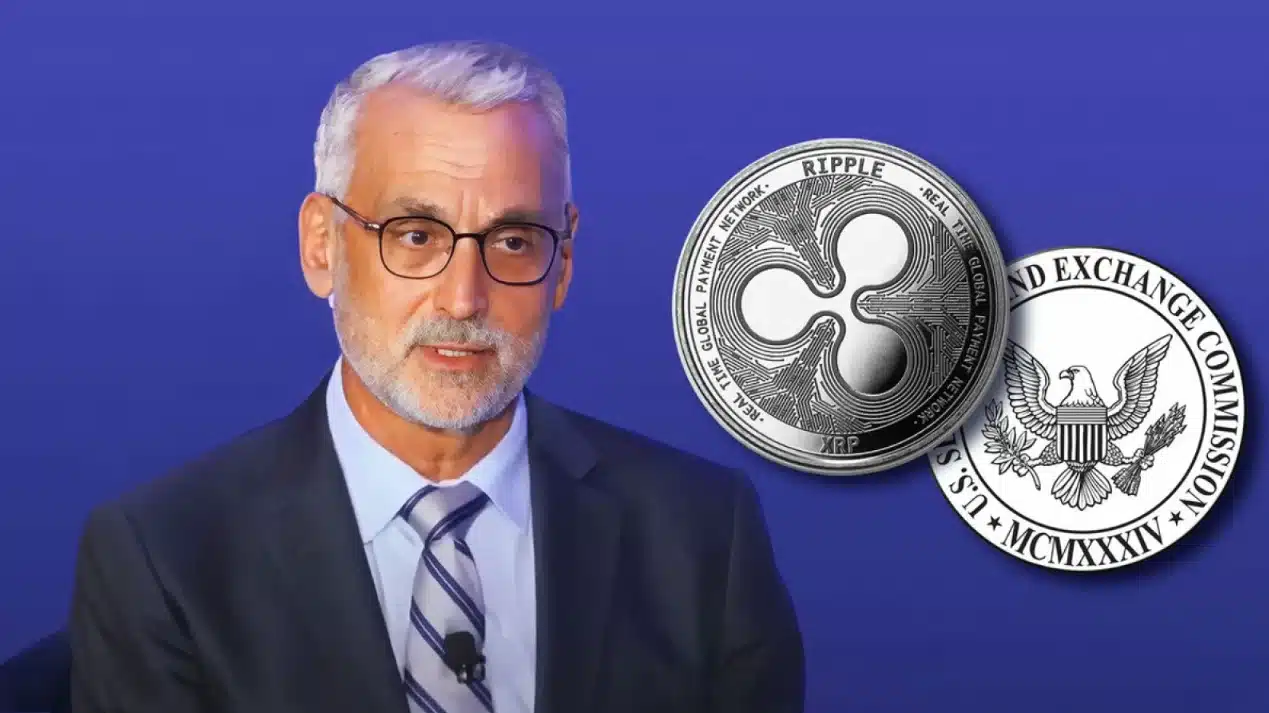
Ripple executive and National Cryptocurrency Association President Stuart Alderoty said 67 million American adults now own digital assets, arguing that Washington should stop treating crypto holders as a fringe group. In a statement posted on X, he said lawmakers need to recognize how large that constituency has become as debate around the CLARITY Act picks up.
Alderoty said one in four U.S. adults now holds digital assets. In his view, that level of adoption places the crypto community among the country’s largest constituencies and warrants closer attention from federal lawmakers. A recent Politico poll found that only 27% of respondents supported the proposed bill, but Alderoty argued that the figure closely matches the share of Americans who already own crypto rather than signaling weak public interest.
New holders are widening the industry’s reach
Data from the National Cryptocurrency Association showed that about 12 million Americans became crypto holders over the past year. Alderoty used that data to push back against the idea that digital assets are mainly held by wealthy tech workers and speculative investors.
The latest figures show that women account for 42% of all new crypto holders. Nearly one-quarter of holders earn less than $75,000 a year, pointing to stronger adoption among middle-income and working-class Americans. Construction and manufacturing workers now make up more than 21% of all holders, showing that participation extends well beyond sectors traditionally associated with technology.
Alderoty also said that more Americans now own cryptocurrency than own dogs. He argued that this reflects a growing presence in everyday financial life rather than a market limited to a narrow investment crowd.
Debate over the CLARITY Act remains divided
The Politico survey also found that 45% of Americans still see cryptocurrency as risky. Alderoty said concern about investment risk should not be read as opposition to digital assets or to regulatory reform.
He argued that the CLARITY Act does not ask lawmakers to endorse any specific cryptocurrency or blockchain project. Instead, the proposal is aimed at setting clearer consumer protections while giving the digital asset sector greater regulatory certainty. Supporters of the bill say a defined legal framework could encourage responsible innovation and improve protections for both consumers and businesses.
As crypto ownership spreads across income levels and professions, Alderoty’s remarks frame the issue as a mainstream financial matter in the United States, one that Congress will continue to confront as it weighs future crypto legislation.