
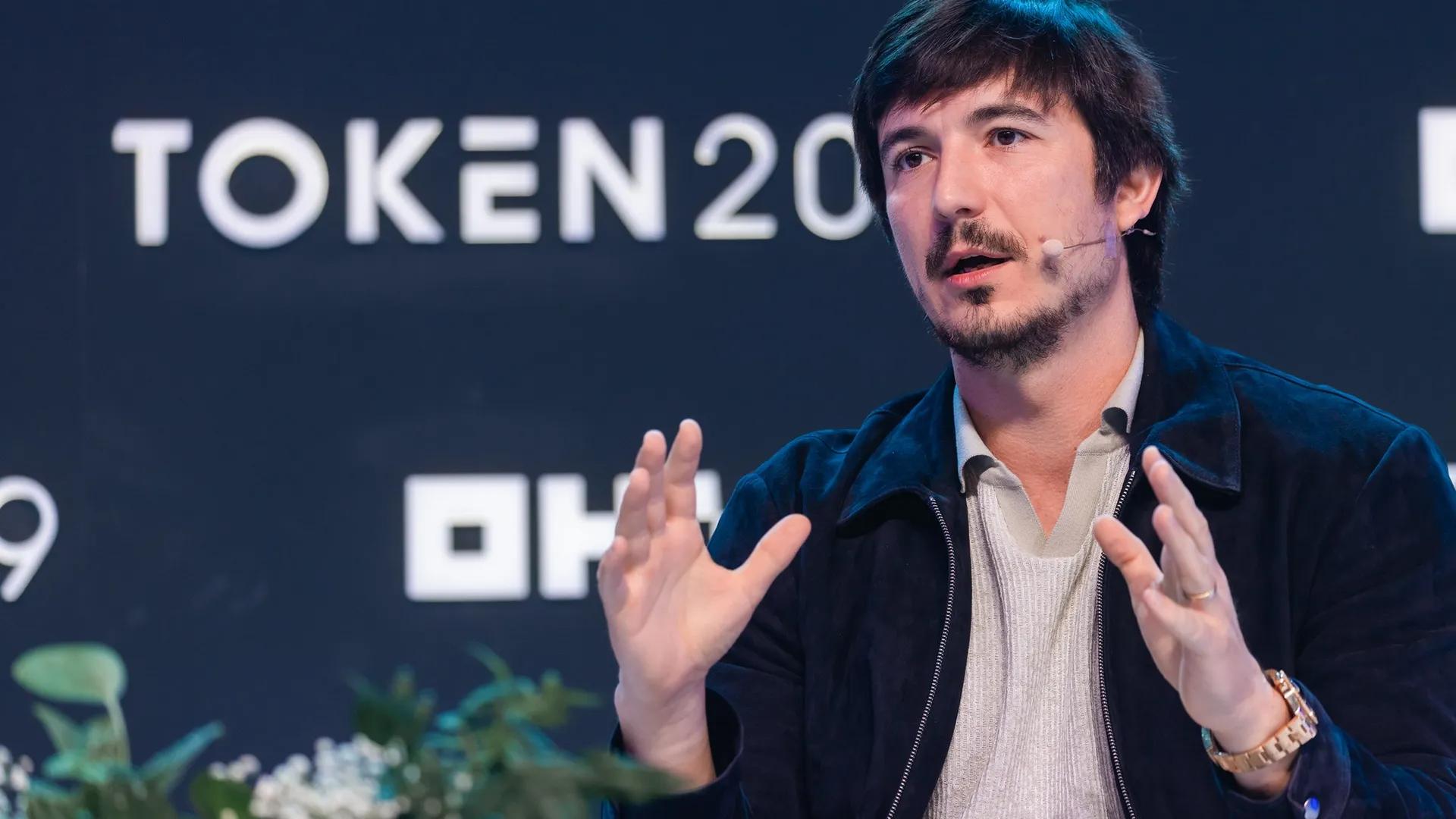
Five years after Robinhood halted buys on GameStop and other meme stocks, CEO Vlad Tenev took to X to mark the anniversary—and to argue the real culprit wasn't bad actors but bad infrastructure.
“What happens when you combine slow, outdated financial infrastructure with unprecedented trading volume and volatility in a small number of stocks?” Tenev wrote. “Massive deposit requirements, trading restrictions, and millions of unhappy customers.” At the time, the industry’s T+2 settlement system forced Robinhood to raise over $3 billion in emergency funding to meet collateral demands. “Retail investors who wanted to buy GameStop were understandably livid,” he added.
T+2 Settlement: The Root of the Disaster
Regulators later shortened the cycle from T+2 to T+1, but Tenev says that’s still far too slow. “In a world of 24-hour news cycles and real-time market reactions, T+1 is still far too long,” he noted, pointing out that Friday trades can still take days to settle.
How Tokenization Fixes Settlement Delays
His solution: move stocks on-chain. “Tokenization refers to the process of converting an asset, like a stock, into a token that lives on a blockchain,” Tenev wrote. “No lengthy settlement period means much less risk to the system and less pressure on both clearinghouses and brokerages, so customers can freely trade how they want, when they want.” Robinhood was one of the first major players to embrace tokenized stocks. According to Entropy Advisors on Dune Analytics, the company has minted nearly 2,000 tokenized versions of U.S. stocks and ETFs, totaling just under $17 million per RWA.xyz. That’s still far behind leaders xStocks and Ondo Global Markets, whose offerings each exceed $500 million.
Robinhood’s On-Chain Plans
“In the coming months, we’re planning to unlock 24/7 trading and DeFi access,” Tenev said, pointing to upcoming features like self-custody, lending, and staking. But for U.S. markets to follow, he stressed, regulators must act. Tenev urged lawmakers to pass the CLARITY Act, which would push the SEC to write rules for tokenized equities. “Let’s seize the moment,” he said, “and unlock real-time settlement for retail traders once and for all.”