

Robinhood Chain’s meme trading surge is now being matched by scam activity. In the latest episode, the X accounts of SpaceXAI and Starlink were compromised early on July 13 and briefly reposted content promoting SCATMAN, a meme token on Robinhood Chain.
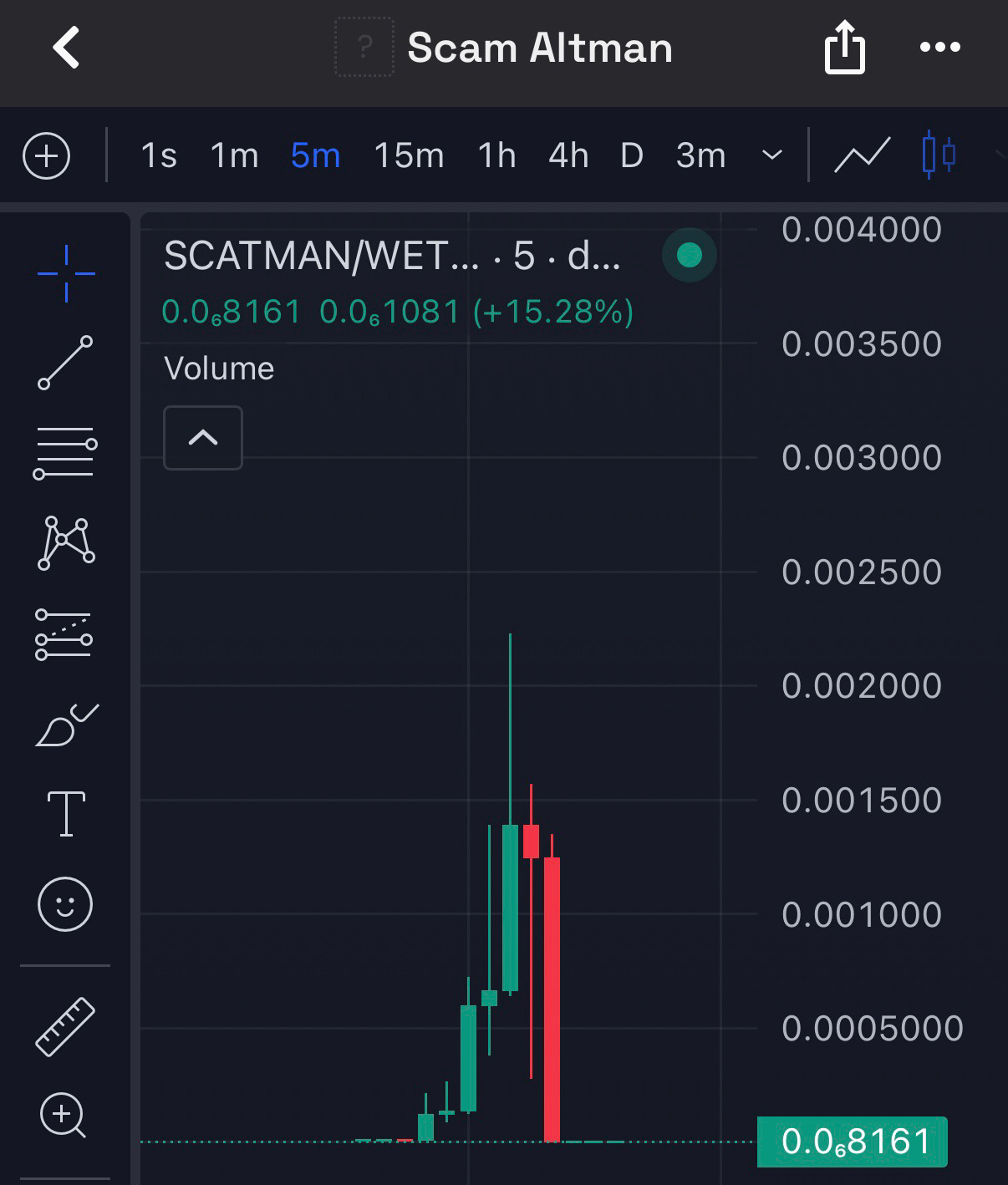
The original promotional account, Sam Catman, even carried a SpaceXAI affiliate gold badge. After the repost, SCATMAN’s market cap quickly rose to about $2 million. The deployer then removed liquidity, and the token’s price almost went to zero. The posts have since been deleted, Sam Catman’s X account has been suspended, and SpaceXAI, Starlink, and X had not publicly responded at the time of writing.
SCATMAN was a self-deployed token, not a launchpad issue
According to the source article, SCATMAN was not created through any token launch platform on Robinhood Chain. The contract was deployed directly by the developer, who also seeded the initial liquidity. The setup fits a classic self-deployed token scam: use a hijacked account to pull in traders, then drain the pool.
On-chain tracking platform Lookonchain said the attacker minted 10 trillion SCATMAN after taking over the account and sold the tokens through two linked wallets. One wallet swapped the tokens for 59 ETH, worth about $108,000. The other sold part of its holdings for 14.7 ETH, or roughly $27,000.
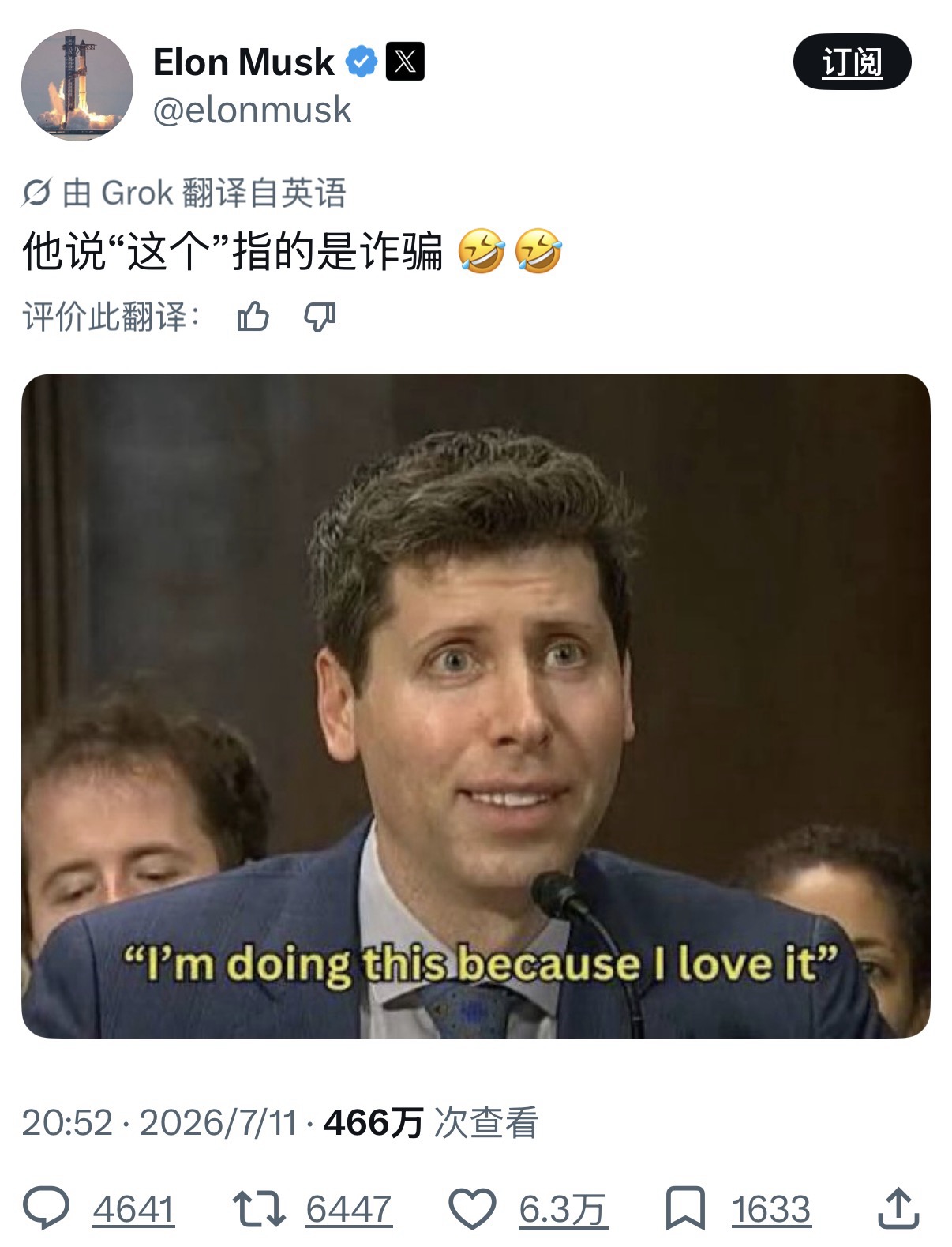
The token name also appears tied to a broader social media moment. Elon Musk and OpenAI CEO Sam Altman have been publicly sparring again in recent days. After Apple sued OpenAI for trade secret theft on July 10, Musk repeatedly called Altman a “fraud” on X, while Altman mocked Musk over what the article described as promotion of a space data center. That spike in attention appears to have made Musk-linked accounts such as SpaceXAI and Starlink more attractive targets.
A wallet tied to Vlad Tenev then became the next trigger
A separate incident involved Robinhood co-founder and CEO Vlad Tenev. The article said Tenev accidentally revealed eight wallet seed words during a livestream, while another four words were guessed by a hacker through random collision. On July 12, after gaining control of the address, the attacker used it to buy meme token $1 on Robinhood Chain.
That was enough to spark a wave of copycat buying. Because the on-chain activity appeared to come from a “founder address,” thousands of investors followed in. The token’s market cap jumped from about $500,000 to $14 million in a short period, while trading volume reached roughly $20 million within two hours. It later fell sharply to around a $1 million market cap.
Robinhood Chain’s RPC nodes later froze the address involved. Transactions sent from the wallet could no longer be packaged by the nodes, which meant the funds could not be moved or traded. That response drew criticism from some community members, who argued that freezing an address at the node level runs against the decentralized ethos of a network positioned as an Ethereum Layer 2 built on Arbitrum.
Meme volume is rising, and so is opportunistic abuse
The two incidents followed the same basic playbook: use a well-known person or a trusted account to manufacture short-term excitement around a token, then cash out once retail buyers rush in.
Robinhood Chain has seen heavy meme activity since July 8, when CASHCAT began rallying and at one point posted an intraday gain of more than 1,000%. On July 11, its market cap peaked at $220 million. Data from DefiLlama shows the chain now has about $151 million in total value locked, $875 million in 24-hour decentralized exchange volume, and roughly $100,000 in fee revenue.
On July 8, Tenev wrote on X that Robinhood was building Robinhood Chain for real-world assets, or RWA, but that the network was also “very good for meme coins.” That comment added to speculative interest around the chain.
Robinhood Chain may be positioned around RWA in the long run, but for now much of its traffic is coming from meme token trading. The article argues that this has made the network an attractive venue for fraudsters. It also points to weak account protection on X, where large official accounts such as SpaceXAI and Starlink were turned into distribution channels for scam promotions, with no public response from the platform after the incident.
For traders chasing fast-moving themes, the article’s warning is plain: verify the token contract address, check whether the liquidity pool is locked, and be careful with narratives built around supposed official endorsement.