
Robinhood Chain: Layer 2 Public Chain and Tokenized Asset Trading
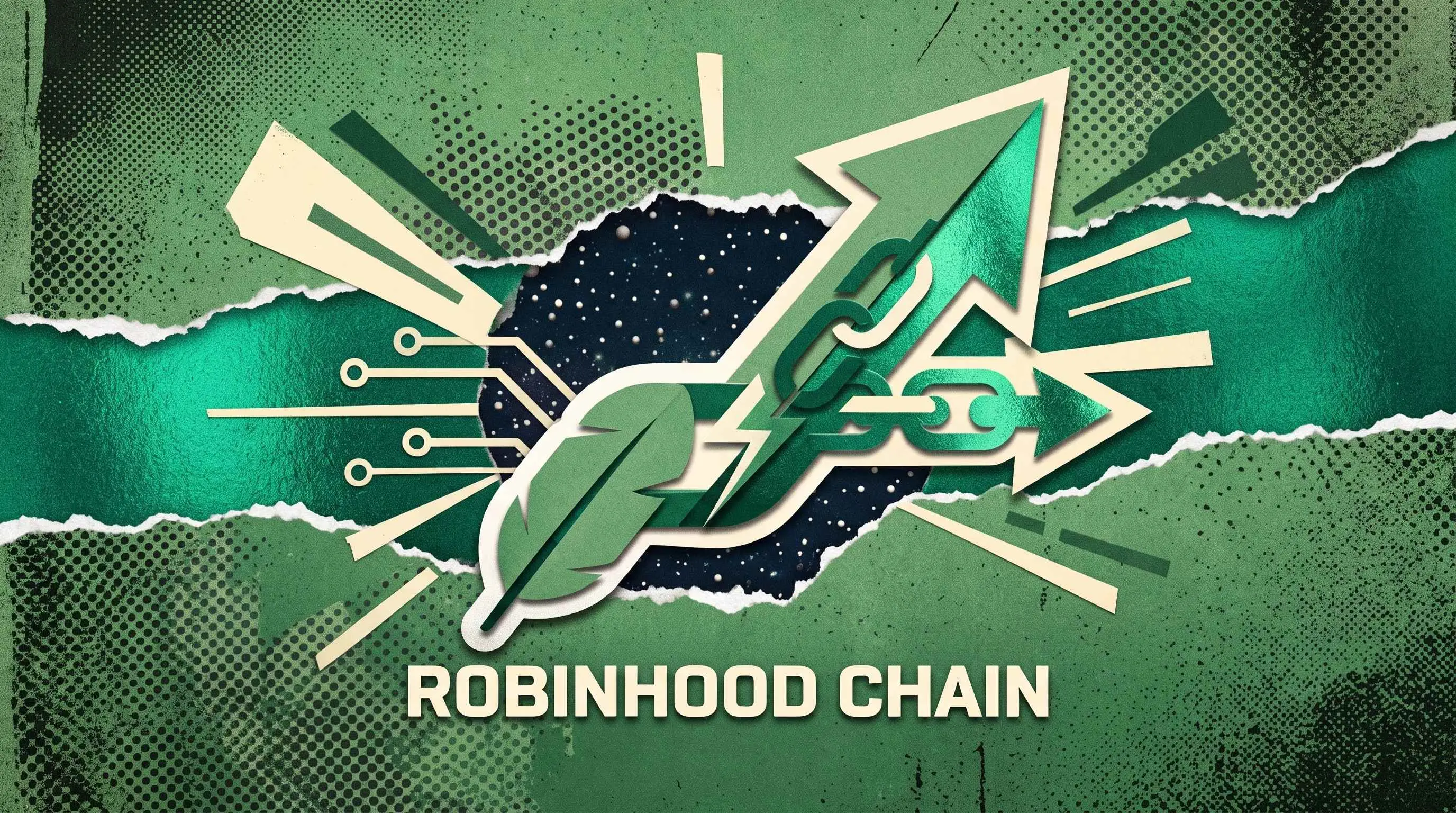
Robinhood has officially launched Robinhood Chain, a Layer 2 blockchain built on Arbitrum. The chain natively supports the issuance and trading of tokenized assets (e.g., tokenized stocks) and opens DeFi scenarios to users. Robinhood states that its own public chain can significantly reduce transaction latency and fees while fully controlling clearing and settlement processes, eliminating the need to rent space on other public chains.


The launch of Robinhood Chain is a critical step in Robinhood's transformation from a commission-free broker to a comprehensive financial platform. Previously, all of Robinhood's crypto trading relied on Ethereum or other blockchains, effectively making the company a 'tenant' on others' chains. With its own Layer 2 chain, Robinhood can autonomously govern trading rules, asset listings, and liquidity allocation, paving the way for future tokenized securities and derivatives.
Robinhood Earn and DeFi Expansion
Alongside the public chain, Robinhood introduced Robinhood Earn, a stablecoin lending service. Users can deposit stablecoins like USDC into the platform to earn interest, while Robinhood deploys these assets into on-chain DeFi lending protocols to capture spread. This marks Robinhood's formal entry into the DeFi space, bringing traditional brokerage users into the on-chain yield market.
Robinhood Earn bridges the gap between CeFi (centralized finance) and DeFi (decentralized finance), allowing non-crypto-native users to participate in on-chain yield with low barriers. The company plans to integrate more DeFi protocols—including decentralized exchanges (DEXs) and lending markets—onto Robinhood Chain, creating a walled yet open financial ecosystem.
Global Expansion: European Perpetual Futures and UK Crypto Trading
Robinhood is accelerating its global footprint. The company plans to launch perpetual futures products in Europe targeting professional investors with leverage. Meanwhile, Robinhood has registered with the UK Financial Conduct Authority (FCA) and is preparing to launch crypto trading services in the UK. These initiatives align with Robinhood Chain: European and UK users could eventually trade tokenized derivatives on Robinhood Chain, benefiting from lower costs and faster settlement.

Strategically, Robinhood is evolving from a pure stock trading app into a super financial application encompassing equities, crypto, DeFi, and lending. Robinhood Chain is not just a technical upgrade but a fundamental business model shift—gaining control over the infrastructure layer means higher profit margins and stronger user stickiness. However, challenges remain: operating and securing a public chain requires significant resources, and competition from established Layer 2 ecosystems (e.g., Arbitrum, Optimism) is fierce. Whether Robinhood can attract enough developers and liquidity will determine the chain's success.