
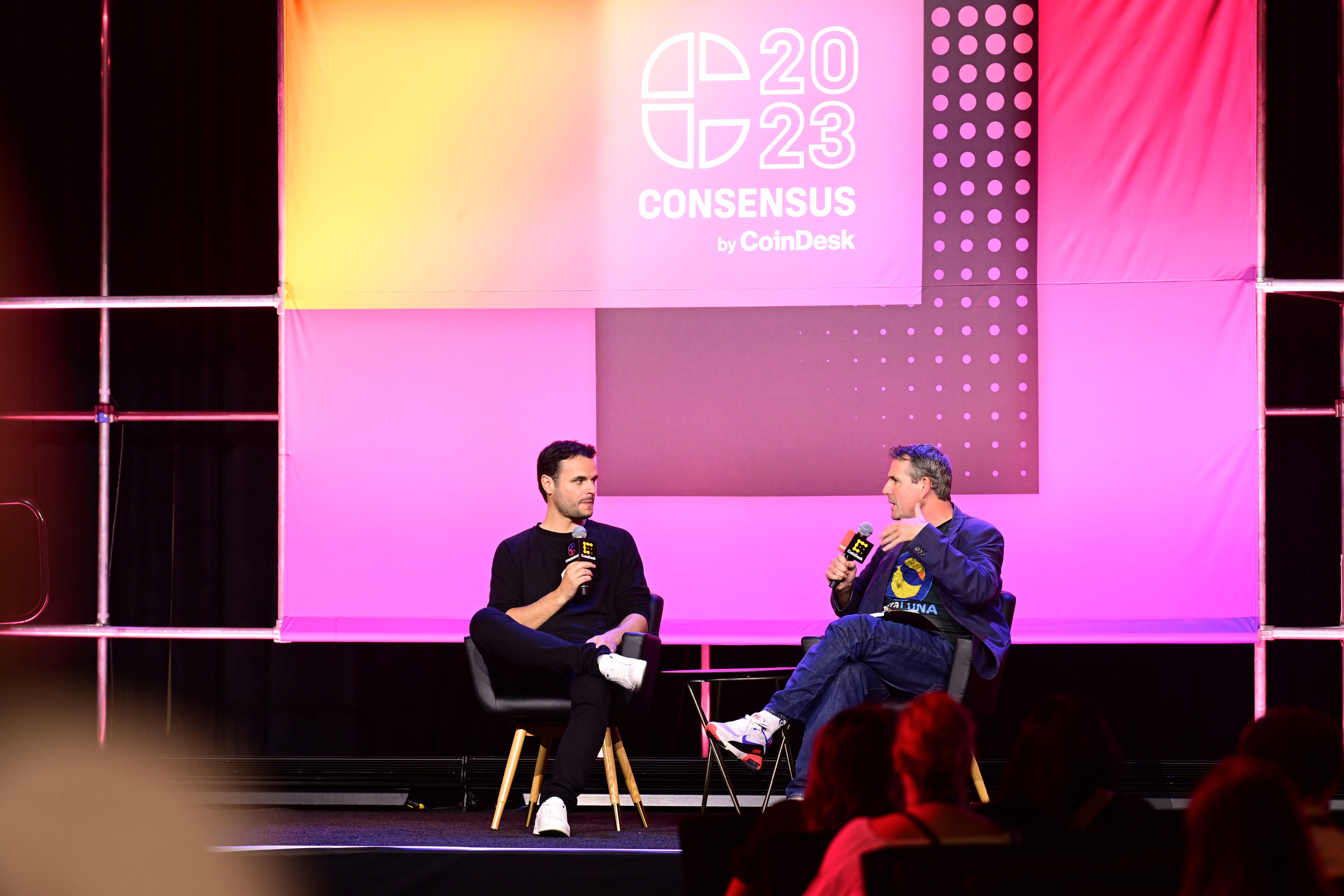
Robinhood is putting more weight behind blockchain infrastructure as it expands into tokenized stocks, staking and a coming Ethereum layer-2 built with Arbitrum. Johann Kerbrat, the company’s crypto chief, said the key internal debate was simple: build an L1 or build an L2. The firm chose an L2 because it wanted Ethereum’s security, Ethereum’s decentralization and the liquidity available across the EVM ecosystem.
Why Robinhood passed on launching its own L1
Kerbrat said the company did not want to spend its energy rebuilding base-layer blockchain components. By anchoring its network to Ethereum’s scaling stack, Robinhood can avoid taking on some of the hardest technical work itself and keep its attention on product features it wants to launch, including stock tokens and related offerings. In his words, decentralization and security come “for free” from Ethereum.
Private testnet is live, but no public launch date yet
Robinhood’s own layer-2 chain remains largely under wraps. Kerbrat said the network is currently on a private testnet, and the company has no public update yet on when it will go live. For now, Robinhood’s tokenized stocks are already running on Arbitrum One. He said that setup should make the eventual move easier, because assets and liquidity can be transferred to the new chain once it launches without a meaningful migration period.
Tokenized stock lineup grew from 200 to more than 2,000
The tokenized stock program has expanded quickly. Kerbrat said Robinhood started with about 200 stock tokens and has now passed 2,000. Customer demand was a major reason. One of the most common requests, he said, was access to the full portfolio rather than a limited initial list. Robinhood sees that push as part of a broader tokenization strategy that could extend beyond public equities to private equity, real estate and art.
Staking launched first in Europe, then most of the U.S.
Robinhood has also been pushing deeper into crypto-native products. Kerbrat said staking was one of the most requested features from users. The company launched it in the EU first, saw strong adoption there, and then began rolling it out across the U.S. in June after the SEC updated its guidance, with five states excluded.
Kerbrat also said new onchain assets could change how yield is generated. As more stocks, private equity and real estate move onchain, he expects new lending programs to appear. He added that while blockchain infrastructure is fragmenting, a new layer that harmonizes those systems will emerge on top.