
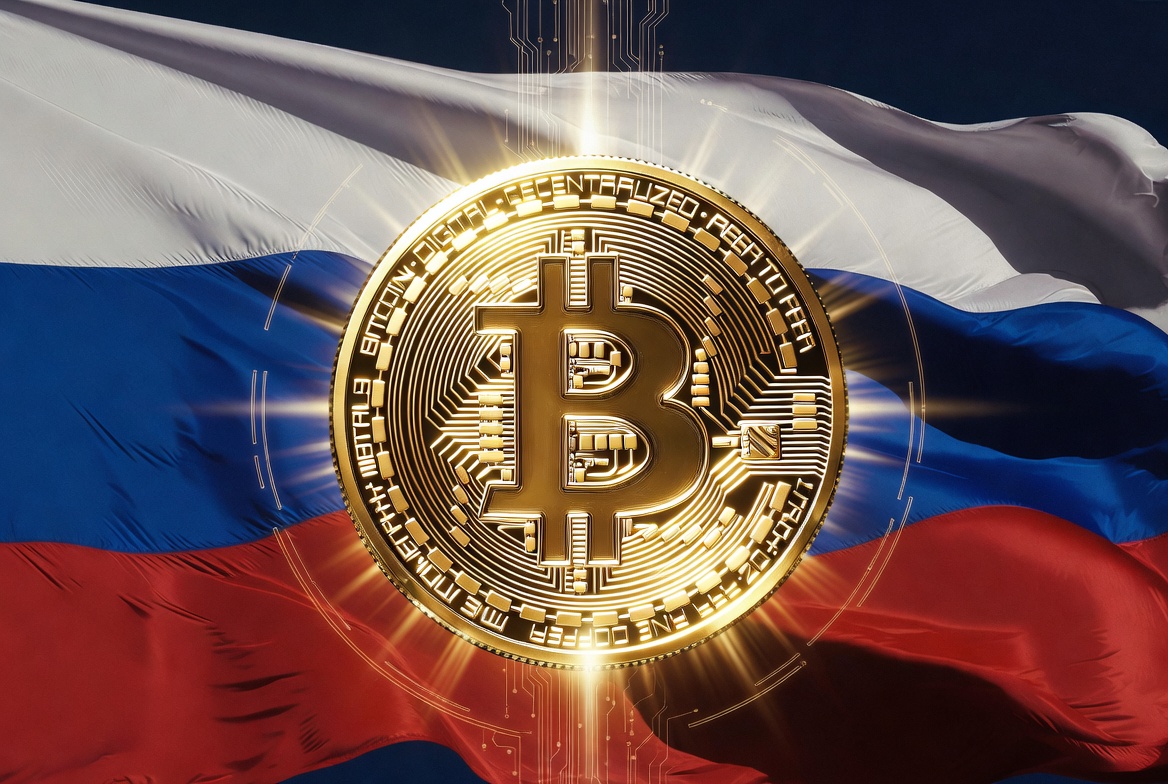
Russia's largest state-owned bank, Sberbank, is accelerating its push into digital assets. According to a CoinDesk report on July 6, 2026, the bank plans to launch a native cryptocurrency wallet and digital asset custody service before the end of the year, integrated directly into its Sberbank Online and SberInvestments apps.
New Law in September Paves Way for Sberbank's Crypto Integration
The move is backed by Russia's new "On Digital Currency and Digital Rights" law, which takes effect on September 1, 2026. The law grants businesses legal permission to trade crypto, provide custody, exchange fiat, and conduct cross-border settlements. Kirill Tsarev, First Deputy Chairman of Sberbank, stated: "As regulations become clearer, we are actively preparing services for our clients. It will be a fully functional crypto wallet, initially embedded within the bank's official apps." This means Russian users can access state-authorized crypto assets directly from their banking app, just like fiat currency.
The policy shift is dramatic: In early 2022, the central bank called for a total ban; by mid-2022, President Putin signed a law prohibiting crypto for payments but allowed licensed trading; in 2024, sanctions forced legalization of mining and experimental cross-border settlements; with the 2026 law, major state banks are entering the market.
30,000 Ruble Limit for Retail Investors; VTB and T-Bank Follow
The new rules impose a cap on non-accredited investors: an annual trading limit of 30,000 rubles (roughly $3,800). All market participants must register in the official registry by July 1, 2027. Alongside Sberbank, other major institutions like VTB and T-Bank are gearing up to offer digital asset custody services once the law takes effect.
Economists note that while crypto is not encouraged for daily purchases in Russia, its censorship-resistant nature—bypassing Western financial sanctions and facilitating cross-border payments—has become indispensable for maintaining the country's international trade. With state-backed players entering, Russia's Web3 development is entering a new era tightly controlled by the government.