
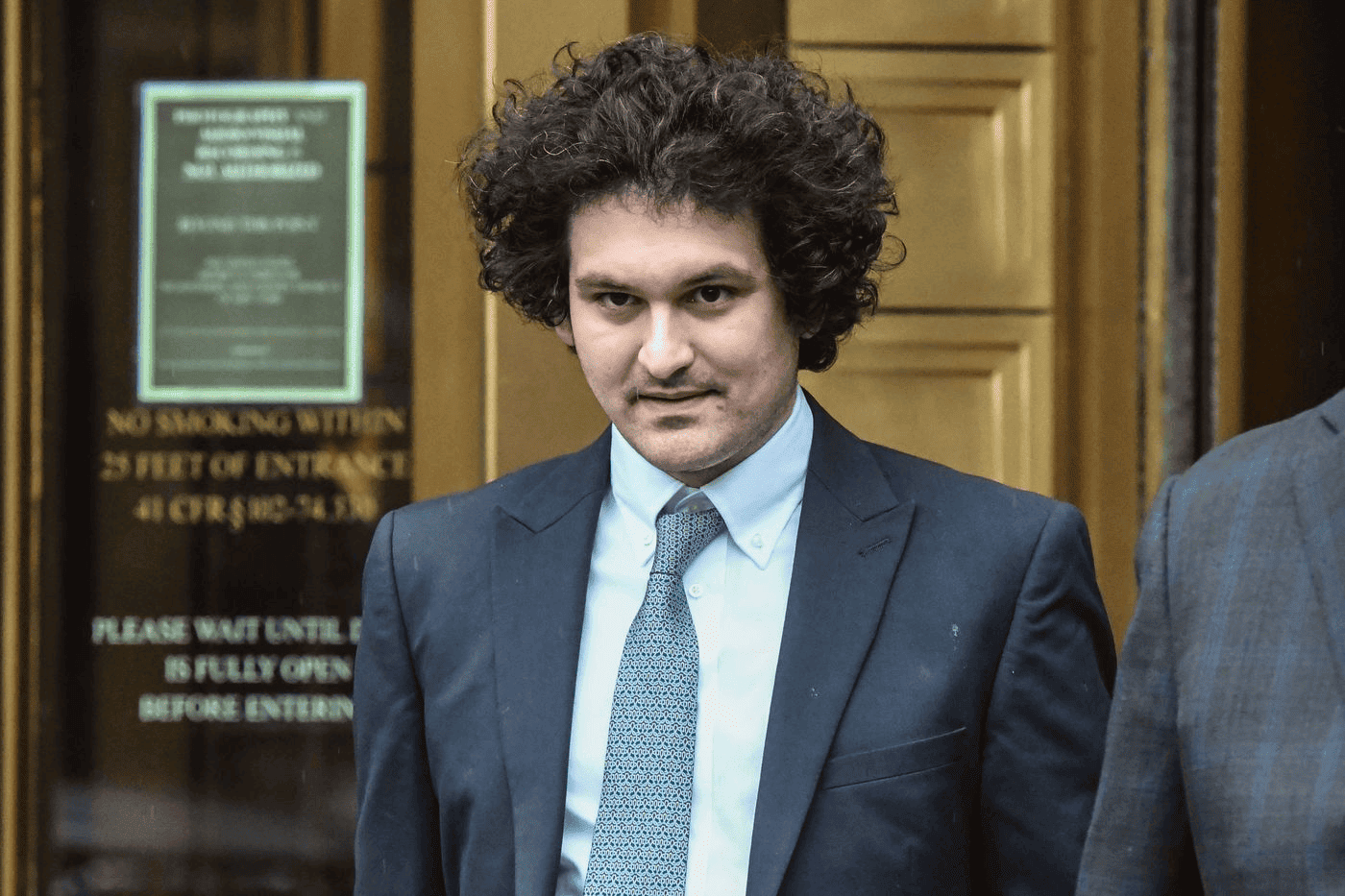
Sam Bankman-Fried (SBF), the FTX founder now serving a 25-year sentence at the Metropolitan Detention Center in Brooklyn, broke his silence on February 20, 2026, via a series of posts on X titled "10 Misunderstandings About Me and FTX." This marks his strongest public rebuttal since being convicted on seven counts of fraud and conspiracy in November 2023. He aggressively challenges the narrative that led to his imprisonment, claiming that the alleged $8 billion shortfall was fabricated and that the exchange remained solvent at the time of its collapse.
The 119% Repayment Controversy
SBF repeatedly asserts that customers will receive over 100% of their claims, but legal experts and creditors remain skeptical. For instance, a customer who held 1 Bitcoin (BTC) on FTX would receive roughly $17,000 in cash under the current plan — equaling 119% of BTC's value in November 2022. However, with Bitcoin now trading above $100,000 in 2026, the actual loss exceeds $80,000. Under the approved repayment schedule, about 98% of small creditors (claims under $50,000) should be paid within 60 days of the plan's effective date in September 2025. But large creditors face delays, and unresolved IRS tax claims and potential asset recovery lawsuits add uncertainty. SBF uses the high nominal repayment ratio to counter fraud allegations, yet creditors missing out on crypto appreciation see the "full repayment" claim as hollow.
Denying Backdoors and Sex Scandals, Targeting Witness Credibility
SBF flatly denies rumors of "polycules" or "orgies," often compared to Jeffrey Epstein in media reports. He says he never attended parties or vacations, paid only $50,000 in rent for 10% of a FTX-owned mansion, and funded all personal expenses and donations from legitimate income — not customer funds. Technically, he denies creating a secret "backdoor" for Alameda Research, arguing that FTX's margin system inherently included collateral pools and lending functions, and that Alameda's account was operationally legitimate and compliant with terms of service. He blames the 2022 crash on risk management failures and a liquidity crisis, not premeditated crime. SBF accuses former executives — Caroline Ellison (sentenced to 2 years), Gary Wang (probation), and Nishad Singh (no jail time) — of giving false testimony in exchange for leniency. The sentencing disparity, he argues, underscores the unfairness of his trial.
35-Page Pro Se Motion Alleges Political Persecution
In early February 2026, SBF, through his mother Barbara Fried — a former Stanford law professor — filed a 35-page pro se motion for a new trial in Manhattan federal court. He claims Judge Lewis Kaplan showed clear bias, blocking the defense from presenting key evidence, including FTX's solvency status and legal advice from counsel. SBF even requests a different judge for the motion, arguing Kaplan's rulings misled the jury. He further accuses the Biden administration of political persecution, alleging that after he switched from being a major Democratic donor to donating to Republicans, federal prosecutors deliberately suppressed exculpatory evidence and threatened the pregnant fiancée of former FTX CEO Ryan Salame to force his guilty plea and prevent him from testifying. Although SBF had hoped for a presidential pardon from Donald Trump, Trump has stated he has no intention of releasing the controversial executive. The $FTT token has shown sharp volatility amid SBF's repeated public interventions, signaling that this multi-front battle over justice, politics, and crypto valuation is far from over.