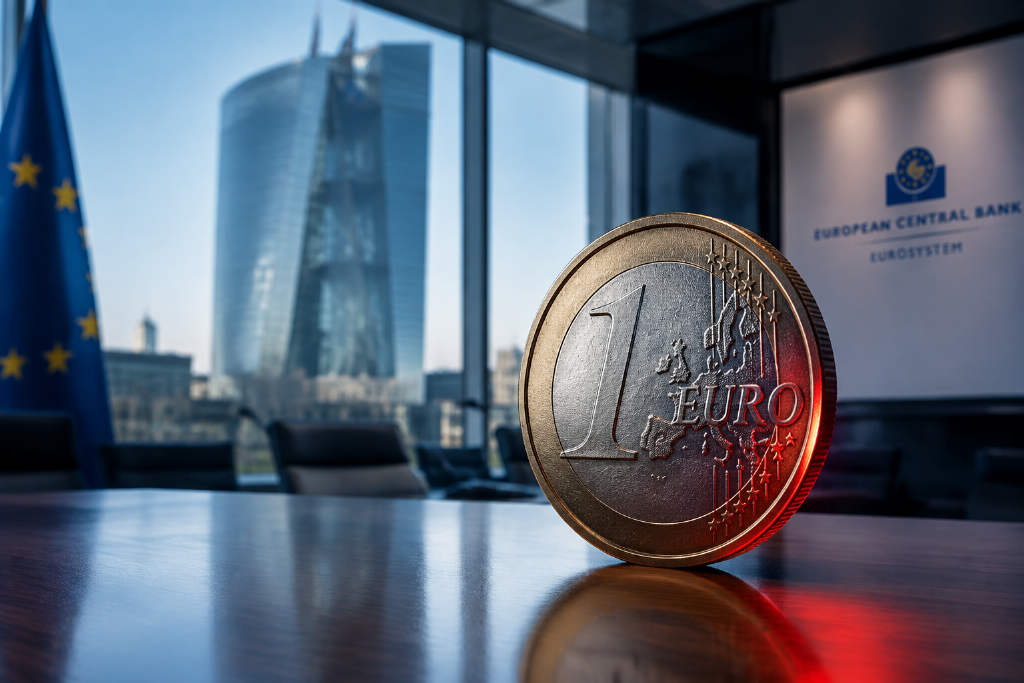
European Central Bank Executive Board member Isabel Schnabel said the ECB needs to raise interest rates further, arguing that inflation risks in the euro area remain tilted to the upside. She pointed to the prolonged conflict in the Middle East and unexpectedly strong economic performance across the euro zone as key factors keeping price pressures elevated. According to her remarks, consumer price growth could stay above the ECB’s 2% target for "a longer period," and waiting until those pressures feed through to wages would leave policymakers behind the curve. Schnabel said current interest rate levels are unlikely to bring inflation back to target over the medium term, making additional tightening necessary. She also cited fiscal policy, higher defense spending, and the global artificial intelligence boom as major drivers behind the economy’s resilience. In addition, she warned that energy price pressure beyond oil is becoming more persistent, with the natural gas market a particular concern given low storage levels in Europe.
European Central Bank Executive Board member Isabel Schnabel said on Aug. 26 that the ECB needs to raise interest rates further, citing upside inflation risks from the prolonged conflict in the Middle East and unexpectedly strong economic performance in the euro area, according to Jin10 as cited by BlockBeats.
Schnabel said consumer price growth could remain above 2% for "a longer period." If policymakers wait until those effects pass through to wages before acting, they would fall behind the curve.
She said: "At current interest rates, inflation is unlikely to return to target over the medium term, so further policy tightening is necessary. Especially in an environment where aggregate demand remains resilient, it is critical to prevent second-round effects early, because acting too late could require much stronger tightening measures."
Schnabel also said fiscal policy, increased defense spending, and the global artificial intelligence boom are the main factors supporting economic strength.
She warned that energy price pressures beyond oil are becoming more persistent. Given relatively low natural gas storage levels in Europe, she said the gas market is a particular concern. "This creates material upside risks to inflation. The longer the conflict lasts, the higher the risk and intensity of indirect effects and second-round effects," she said.
This article was originally published by Bit.Fan. For more cryptocurrency news and market insights, visit www.bit.fan. Disclaimer:
The market information, project data, and third-party content displayed on this platform are for industry information sharing only and do not constitute any form of investment advice or return commitment.
Cryptocurrency trading carries high risks. Users should fully assess their risk tolerance and make independent decisions. All profits, losses, and legal responsibilities are borne by the users themselves.