
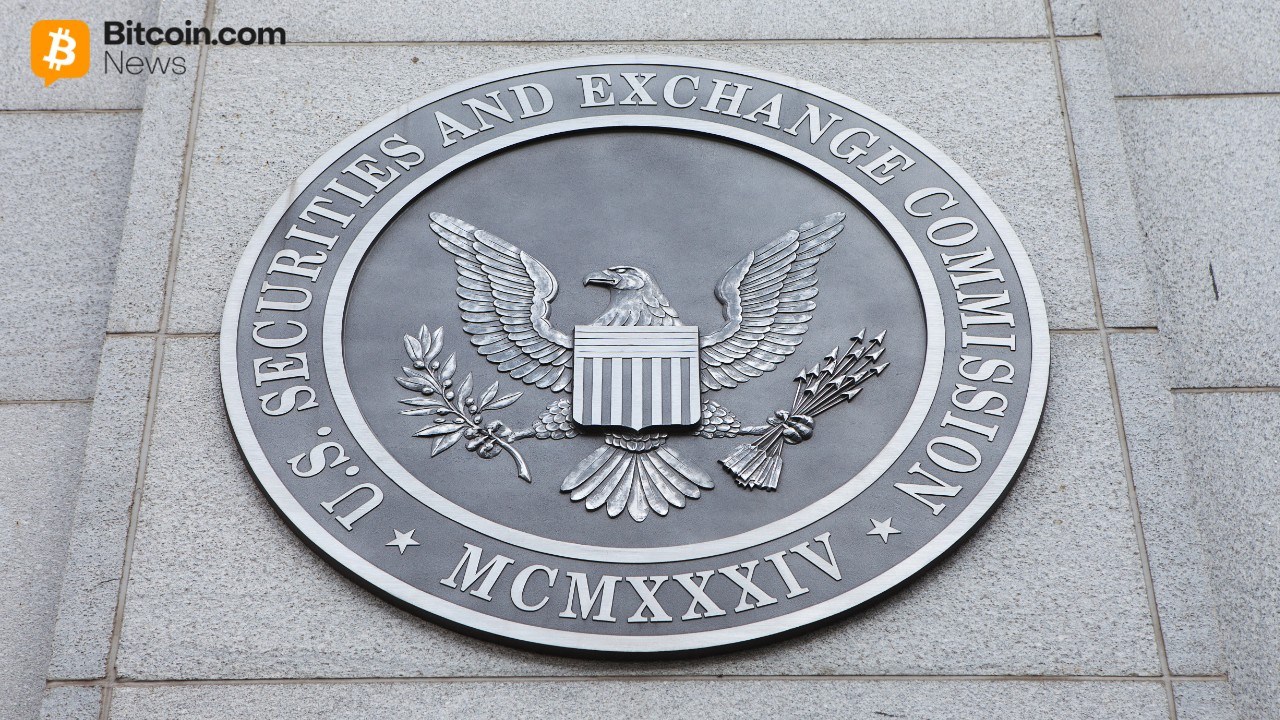
The U.S. Securities and Exchange Commission is outlining a more defined path for tokenized securities inside American markets. Speaking at ETHDenver on Feb. 18, SEC Chairman Paul S. Atkins and Commissioner Hester M. Peirce said the agency is advancing crypto oversight through “Project Crypto,” now a joint initiative with the Commodity Futures Trading Commission, while also weighing innovation exemptions and safe-harbor relief.
Project Crypto shifts into a joint SEC-CFTC effort
Atkins said the project is now being developed together with the CFTC, with an emphasis on coordination and aligned rulemaking. He noted that Mike Selig, who had been recruited by Peirce to serve as chief counsel of the crypto task force in his office, is now chairman of the CFTC. Atkins described the plan as a coordinated approach between two agencies that have often clashed over crypto jurisdiction.
As presented at the event, Project Crypto is meant to reduce regulatory conflicts by clarifying digital asset classifications and bringing the two agencies closer on rule design. The initiative also covers innovation safe harbors, guidance for tokenized real-world assets used as collateral, and rules that would let platforms offer both traditional assets and digital assets.
SEC weighs limited relief for tokenized securities
Atkins said he wants the SEC to consider an innovation exemption that would let established firms and crypto-native participants experiment with tokenized securities under tailored conditions. He pointed to the possibility of people trading certain tokenized securities through automated market makers, even where no single person or group controls the mechanism.
He also said market participants should be able to use decentralized applications on public, permissionless blockchains if that is their choice. At the same time, Atkins acknowledged that many Americans may still prefer intermediaries to custody assets and execute trades on their behalf. In his view, that decision should rest with investors rather than the SEC.
Safe harbor ideas remain under discussion
Atkins said the agency is also considering whether there should be a safe harbor for participants facilitating that kind of trading. The exemption under discussion could be temporary. It may include limits on trading volume and tailored relief from specific rules while the SEC works on longer-term standards.
Peirce cautioned against expecting a sudden overhaul. She described the work as incremental, not an overnight transformation, and said expectations around any innovation exemption should stay measured.
Focus stays on disclosure and market integrity
Both SEC officials said regulation should center on disclosure and market integrity rather than short-term swings in bitcoin or other crypto assets. Atkins also argued that tokenization could shorten settlement cycles, improve the movement of collateral, and modernize recordkeeping. He encouraged entrepreneurs to engage with the agency as it builds a more durable regulatory framework.