


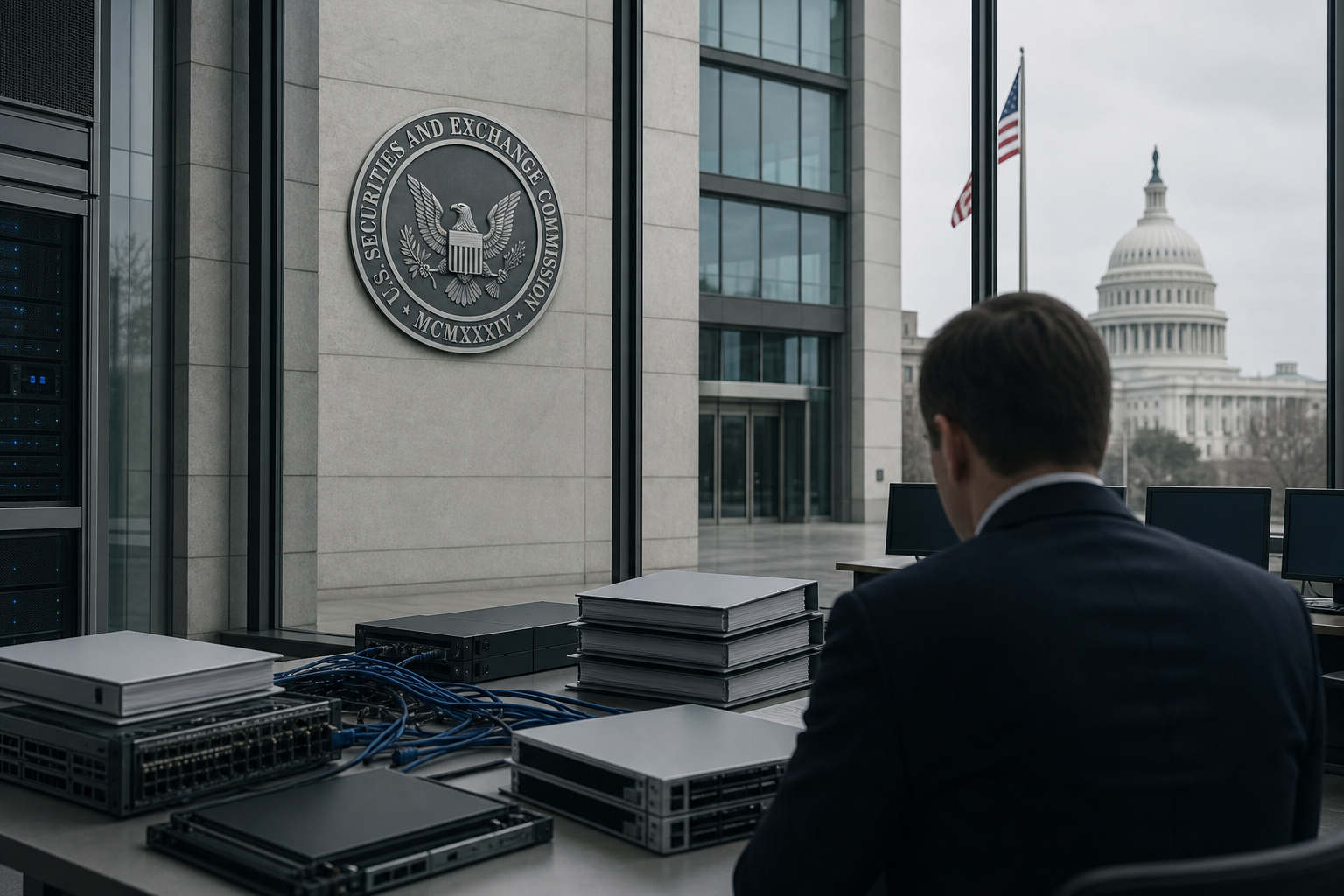
U.S. Securities and Exchange Commission Chair Paul S. Atkins has told the Consolidated Audit Trail, or CAT, operating committee that the agency is planning a broad overhaul of the system, including changes to its governance structure, funding sources and operating model.
In a letter to CAT Operating Committee Chair Robert Walley, Atkins said that during his tenure, the SEC had already cut CAT’s annual operating costs sharply by issuing exemptive relief and approving amendments to the CAT NMS Plan. He also said the agency eliminated the requirement to report personally identifiable information, or PII, to CAT. Those steps reduced both the system’s cost and the scope of data collection, but Atkins said CAT still has fundamental problems tied to cost, governance and funding.
SEC review now covers CAT and other audit trail data systems
To address those issues, the SEC issued a concept release on April 16, 2026, launching a broader review of CAT as well as other audit trail systems and data sources used in oversight of the U.S. securities market.
The SEC said it has received hundreds of comments. One central point in that feedback, according to the agency, is that investors and market participants want the SEC to take on more responsibility for CAT management and funding arrangements.
Reform work centers on funding, rules and takeover preparation
Atkins said he has asked SEC staff to develop deeper reforms for CAT. The work includes three main tracks:
- exploring new CAT funding sources, including congressional appropriations and Section 31 transaction fees under the Securities Exchange Act;
- drafting a rule proposal that, if approved, would rescind Rule 613 and require exchanges, the Financial Industry Regulatory Authority (FINRA), and broker-dealers to keep using the current CAT infrastructure and reporting standards while submitting CAT data directly to the SEC or a designated entity;
- assessing the SEC’s internal resource needs in preparation for a future transfer of CAT governance responsibilities to the agency.
Transition could last through the end of 2027
The SEC said the overhaul will touch multiple parts of the system and will need to move forward on several fronts at the same time. The overall transition could continue until the end of 2027.