
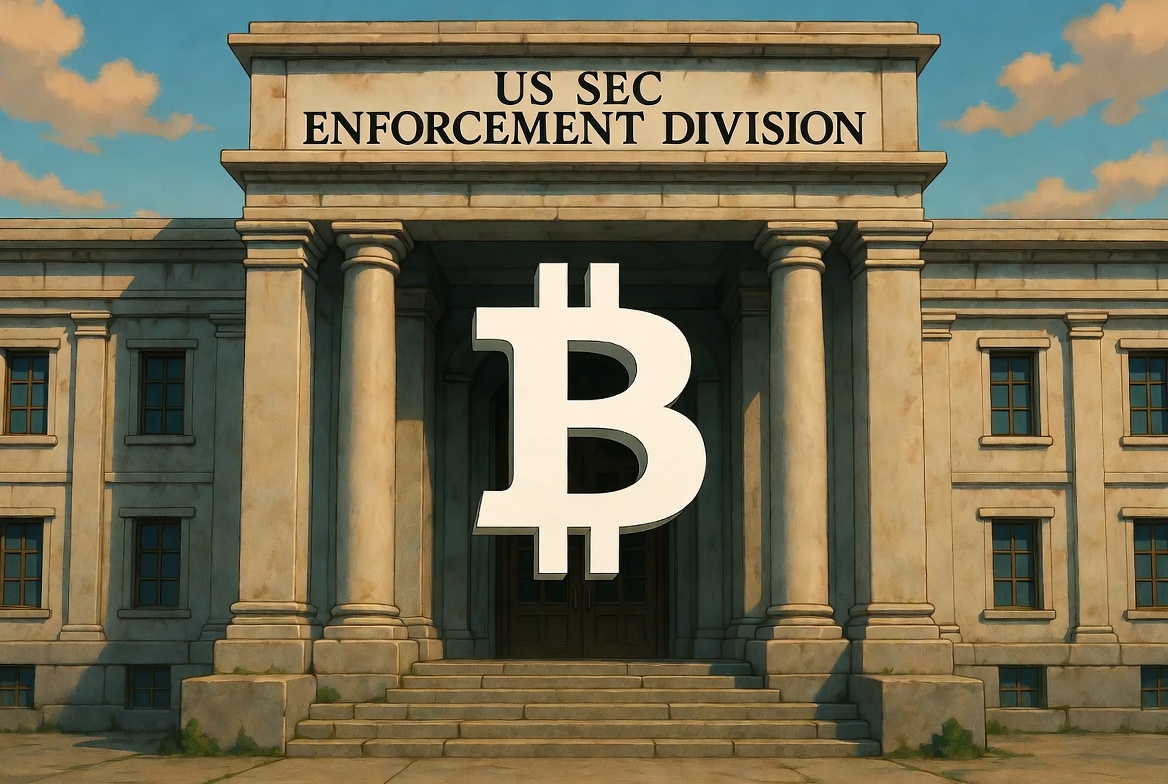
The U.S. Securities and Exchange Commission (SEC) released its fiscal year 2025 enforcement report on April 7, using unusually blunt language to repudiate the approach of the previous administration under Chair Gary Gensler. The SEC filed 456 enforcement actions in FY2025, including 303 standalone cases, securing $17.9 billion in disgorgement and civil penalties. The current leadership stated that resources have been redirected to cases that cause direct harm to investors and market integrity.
$17.9 Billion in Penalties, Back to Core Mission
The SEC said its actions covered issuance fraud, market manipulation, insider trading, and breach of fiduciary duty. Notably, the report accused the prior commission of launching a “unprecedented enforcement frenzy” before the presidential inauguration, chasing media headlines and volume of cases while stretching novel legal theories. This so-called “enforcement by headline” was sharply condemned.
Misdirected Resources and Crypto Policy Reversal
The report specifically criticized the prior administration’s focus on off-channel communications (95 cases, $2.3 billion in fines) and lawsuits against crypto firms over registration and “dealer” definitions. The current SEC argued those actions “did not demonstrate direct investor harm” and represented a misallocation of resources. For the crypto industry, the SEC declared a “necessary course correction” in FY2025. While no longer pursuing blanket enforcement, it created the Cyber and Emerging Technologies Unit in February 2025 to target actual fraud involving blockchain, AI, and cybersecurity, working alongside the Crypto Task Force.
New Chair Ends ‘Regulation by Enforcement’
SEC Chair Paul S. Atkins strongly endorsed the shift. “Over the past year, the Commission has ended the practice of regulation by enforcement and refocused the enforcement program on our core mission,” he said. “We have shifted resources from pursuing case counts and headline fines to combatting fraud and manipulation that cause real harm.” Commissioner Mark T. Uyeda backed the change, saying the SEC will return to a “coherent, transparent policy-making” approach. Going forward, the agency will prioritize holding individual wrongdoers accountable and returning funds to defrauded investors.