
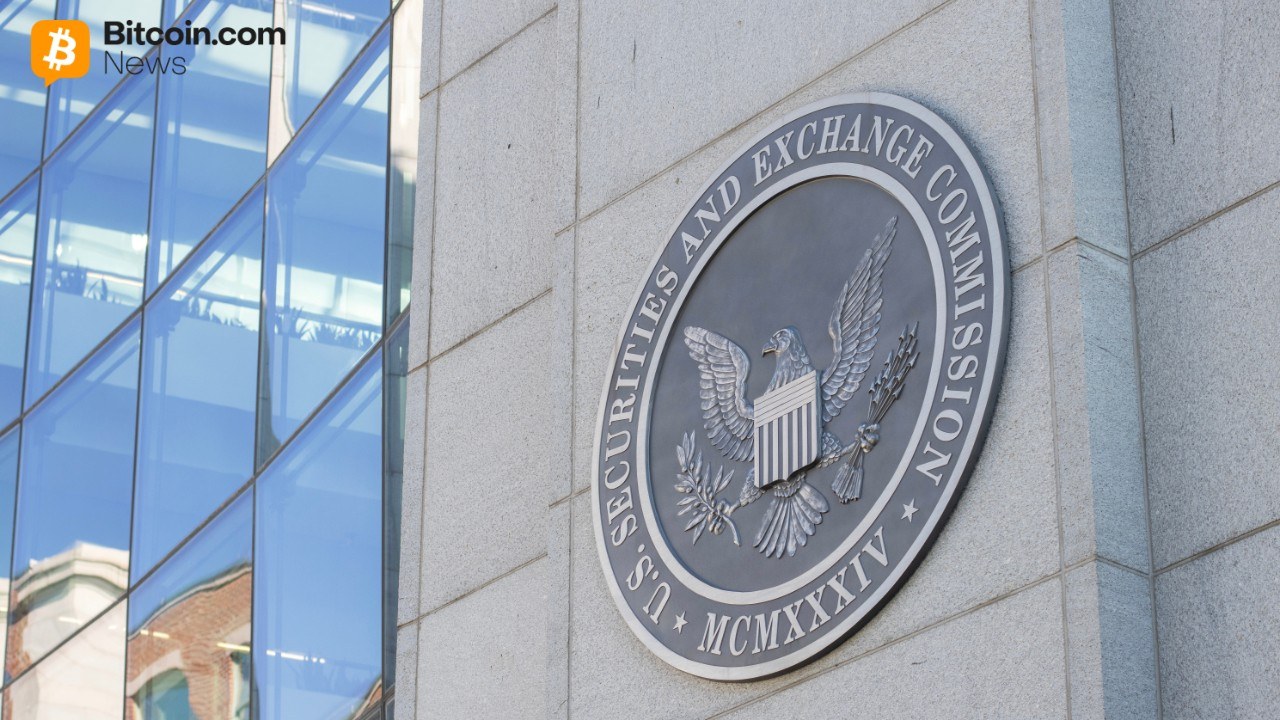
U.S. Securities and Exchange Commission (SEC) Commissioner Mark T. Uyeda delivered remarks at the Asset Management Derivatives Forum 2026 in Austin, Texas, on Feb. 9, framing tokenization as a natural stage of market evolution rather than a regulatory disruption. He made clear that tokenized securities remain under the purview of federal securities laws.
Tokenization Encodes Rights On-Chain, No Exemption From Rules
Uyeda described tokenization as the migration of securities positions from traditional databases to blockchain-based systems, encoding ownership and contractual rights directly into digital tokens. “Today, we consider the possibility of migrating securities positions from traditional databases to blockchain-based systems, and tokenization representing these rights and obligations on-chain,” he said. Properly implemented, tokenization “can enhance security, transparency, and immutability by encoding rights on digital tokens and recording their provenance on distributed ledgers.” However, he stressed that these benefits hinge on careful design, and that tokenized instruments remain securities subject to existing regulatory obligations.
Faster Settlement, Better Transparency: The Dual Promise
Uyeda highlighted two main advantages: accelerated settlement cycles and improved ownership visibility. “Tokenization can help modernize capital markets, not only by speeding up the settlement cycle but by making ownership more visible—addressing current challenges in shareholder identification and corporate actions,” he noted. Faster settlement reduces friction, while greater transparency strengthens market integrity and helps regulators and participants better track ownership structures.
Regulatory Approach: Innovation With Guardrails, Tech-Neutral Rules
On the regulatory front, Uyeda outlined a philosophy centered on innovation with guardrails and technology-neutral rules that focus on outcomes rather than processes. He said the SEC has relied on engagement tools such as roundtables, staff guidance, public comment files, and targeted exemptive relief to explore on-chain market structures, rather than using enforcement actions to signal policy direction. He concluded that measured experimentation, transparency, and adherence to statutory authority allow tokenization to strengthen market infrastructure, improve efficiency, and support fair, orderly, and efficient markets as digital systems gain wider adoption.