
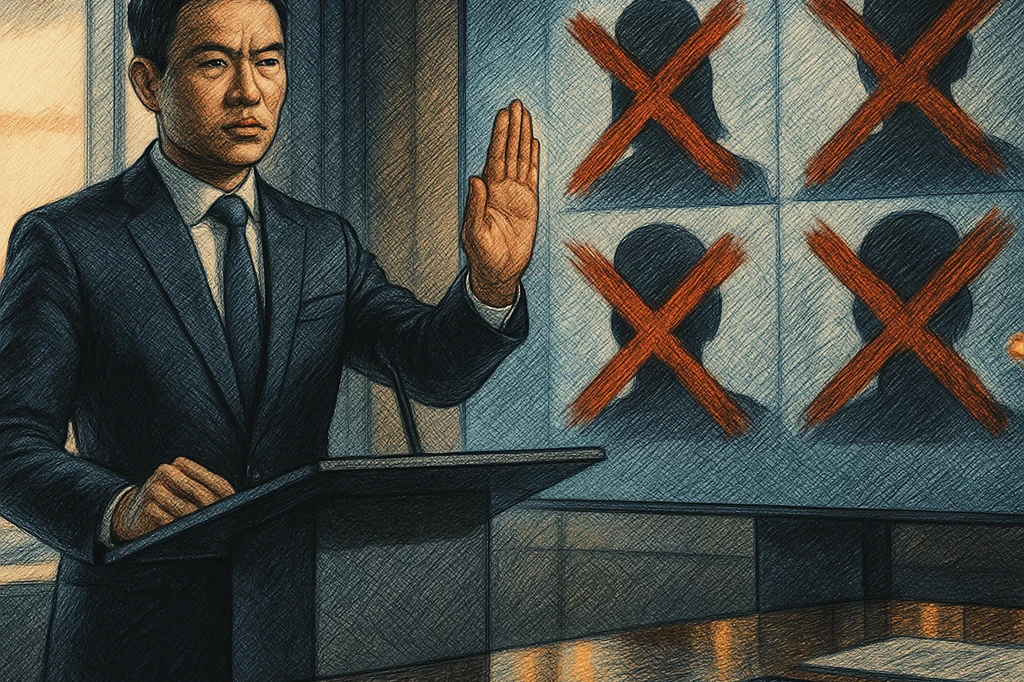
ByteDance has resumed the overseas launch of Seedance 2.0 after pausing its global rollout for about a week, but the return comes with a clear restriction: users cannot upload images of real human faces for now. Dreamina’s official X account said the current version does not support real-person image uploads, and the initial release also limits content generation from images or videos that contain real faces. ByteDance also released Seedream 5.0 Lite at the same time.
Phased access starts with selected regions and paid users
The relaunch is not a full global opening. Seedance 2.0 has been integrated into platforms including CapCut and Pippit, while CapCut and creative platform Dreamina are handling a staggered release across markets. The first batch of access is aimed at Southeast Asia and Latin America, and at this stage it is limited to paid CapCut users.
The model’s benchmark performance remains intact. In blind tests conducted by independent evaluator Artificial Analysis, Seedance 2.0 scored Elo 1269 in text-to-video without audio, placing it first globally. In image-to-video, it posted Elo 1350, outperforming both Google Veo3 and OpenAI Sora.
On the product side, Seedance 2.0 accepts four input modalities: text, image, audio, and video. It can generate videos up to 15 seconds long, supports six aspect ratios, and includes native audio-video synchronization. ByteDance describes it as an open-source, frontier-level model.
Copyright complaints escalated after the China debut
Seedance 2.0 first launched in China on February 12. Within 24 hours, AI-generated clips featuring Hollywood celebrities such as Tom Cruise and Brad Pitt spread across social platforms, followed by fan-made videos based on characters from titles including Stranger Things.
On February 13, Disney sent a cease-and-desist letter to ByteDance, accusing the company of carrying out a “virtual robbery” of Disney intellectual property and alleging that Seedance included a pirated asset library featuring Disney-owned characters from Star Wars and Marvel. Paramount, Netflix, Sony, and Warner Bros. later issued similar letters. The Motion Picture Association also sent a formal notice, and SAG-AFTRA publicly condemned the model.
ByteDance said on February 16 that it would strengthen safety protections, though it did not immediately change its global launch plan. Pressure increased on March 17, when U.S. senators Marsha Blackburn and Peter Welch sent a joint letter to ByteDance CEO Liang Rubo calling for Seedance to be shut down “immediately.” The overseas rollout was then halted, before returning about a week later with the face-upload restriction in place.
Ban on real faces addresses one risk, not the full dispute
Blocking real-face uploads cuts off one of the most direct routes for celebrity deepfakes, and it reduces a highly visible source of infringement risk. But the complaints against Seedance were never limited to real-person likenesses. The allegation that the model relied on preloaded copyrighted IP assets remains unresolved in the source material.
That leaves ByteDance in a narrower position as it resumes distribution outside China. The model’s competitive standing is unchanged, while access conditions are tighter. For now, the company has closed the most sensitive user input channel and kept the rest of the rollout moving.