
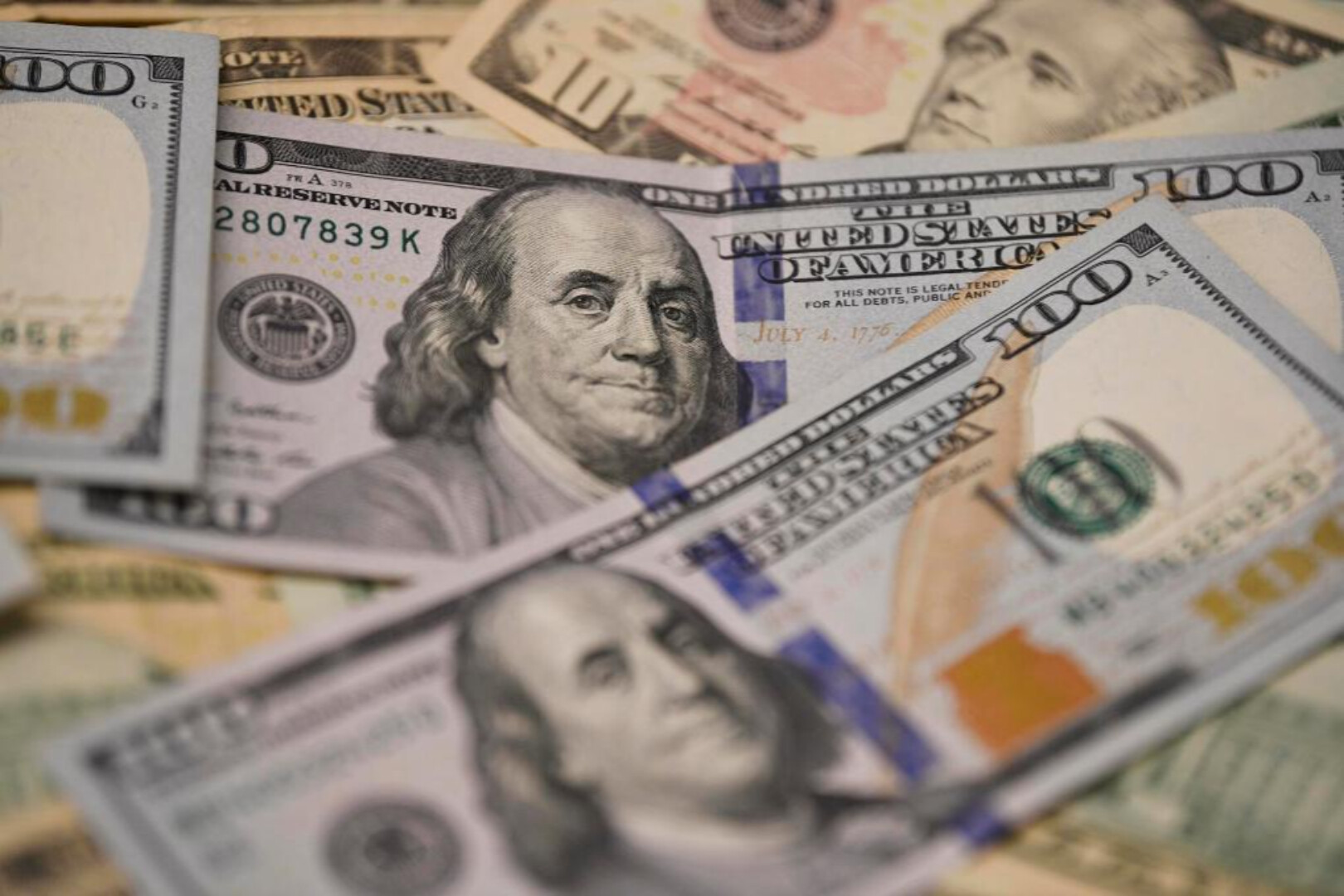
Policy signals from Washington are pushing global bond and FX investors back toward a familiar discussion: whether to sell U.S. assets. A change in the Federal Reserve chair’s communication style, U.S. involvement in the currency market, a wider fiscal deficit and the shadow of a trade war are all feeding a new round of doubt around the dollar and Treasuries.
The latest shift centers on Federal Reserve Chair Warsh, who is said to favor less policy communication. That has raised questions in markets about the Fed’s commitment to anchoring inflation expectations. At the same time, The Wall Street Journal reported that Donald Trump has spoken with Warsh several times since he took office, breaking with recent practice, though there is no evidence the two discussed interest rates. Treasury Secretary Bessent, meanwhile, signed off on U.S. support for Japan’s currency intervention to back the yen. The move marked the first such coordinated action in nearly 30 years and added pressure on the dollar.
Markets are already repricing U.S. risk
The reaction has shown up in prices. The 30-year Treasury yield rose above 5%, the highest level since 2007, before easing back. The Bloomberg Dollar Spot Index has dropped about 2% from its June high, and the dollar has weakened against almost every Group of 10 currency. That stands out because U.S. rates are still elevated.
Rajeev De Mello, a global macro portfolio manager at Gama Asset Management, said he is selling both Treasuries and the dollar because of policy uncertainty. “Bessent and Warsh are a double hit for global markets, and investors have no choice but to price that policy risk into the dollar and the Treasury curve — that is the Trump administration premium.”
This is not the same setup as last year
The “sell America” trade first drew attention in April last year, when Trump announced tariffs and sparked a simultaneous selloff in the dollar, U.S. stocks and Treasuries. That episode faded quickly, but it challenged a long-standing market assumption: that the U.S. could keep financing an expanding fiscal deficit indefinitely because the dollar remains the world’s reserve currency and U.S. capital markets are deep enough to absorb it.
This time the picture is more mixed. U.S. equities have not cracked across the board. Technology shares have helped push the S&P 500 to fresh record highs. Foreign investors also still hold a large Treasury position. As of May, overseas holdings stood at $9.4 trillion, up 4% from a year earlier, a sign that confidence has not vanished.
Still, some global investors in bond and currency markets are changing their stance. Carol Lye, a fund manager in Singapore at Brandywine Global Investment Management, said the firm is running a medium-term bearish dollar position. “Bessent is now openly saying the yen should strengthen, and that would validate our weaker-dollar view.” She also said the “confusing messages” coming out of Washington are unhelpful for capital flows into the U.S.
Questions around Fed credibility are hitting the long end
One of the market’s central concerns is whether the Federal Reserve can still anchor inflation expectations effectively under Warsh. Analysts cited in the report said that if the Fed falls behind the tightening cycle, long-dated yields could face more upward pressure.
Bloomberg Economics data showed the 30-year Treasury term premium climbed to 1.56% this week, the highest level since 2013. That premium reflects the extra return investors demand to hold longer-dated debt. Allianz Global Investors, which manages €598 billion in assets, currently prefers curve-steepening trades, with positions focused on the five- to seven-year sector against 30-year bonds.
Ranjiv Mann, a senior portfolio manager at Allianz Global Investors, said, “The risk is that the Fed may be behind the curve in the hiking cycle, long-end yields may become even more unanchored, and the fiscal challenges facing the U.S. are already severe.”
The Treasury Department also raised its borrowing estimate for the current quarter to $739 billion this week. Markets broadly expect officials to stick with a bill-heavy issuance strategy, leaving supply pressure in place.
Japan intervention support reopens the dollar debate
U.S. support for intervention in the FX market has triggered a broader reassessment of the dollar’s structural outlook.
Speaking to CNBC, Bessent defended the move, saying persistent yen weakness could trigger wider depreciation across Asian currencies. Washington, he said, would do “whatever it takes” to support Japan in a way that benefits the U.S. economy and helps stabilize global markets.
The intervention was carried out by buying euros and selling dollars to purchase yen, a structure meant to avoid a direct shock to the Treasury market. Bessent described it as a “reallocation of reserves.” Even so, market participants noted that if Japan has to sell part of its Treasury holdings to raise funds for intervention, the effect could still spill back into U.S. government bonds. Japan is the largest foreign holder of Treasuries, with more than $1 trillion in holdings.
Steve Brice, global chief investment officer at Standard Chartered’s wealth management division, expects the dollar to fall about 3% to 4% over the next 12 months. “Government actions and other factors are gradually eroding the structural advantages of U.S. markets.”
American exceptionalism is not over, but doubts are building
Several strategists said no one is calling for the end of the dollar’s reserve-currency role or for Treasuries to lose their position as the world’s benchmark risk-free asset.
Lotfi Karoui, a multi-asset credit strategist at Pacific Investment Management Co., wrote in a research note that U.S. assets remain broadly attractive to foreign buyers, and the lack of a large, synchronized selloff supports that view. This year, only about 2% of trading days have seen the 10-year Treasury, U.S. investment-grade credit spreads and the dollar all decline together. “If confidence in American exceptionalism had really broken down, that kind of synchronized selloff would be happening far more often,” he said.
Ronald Temple, chief market strategist at Lazard, pointed to a different risk: foreign demand for Treasuries is no longer growing as fast as U.S. borrowing. Speaking to Bloomberg Television, he said, “The backdrop of confidence around the U.S. safe-asset status is changing, and there are plenty of questions. Over the coming years, the dollar’s depreciation trend will reappear.”