
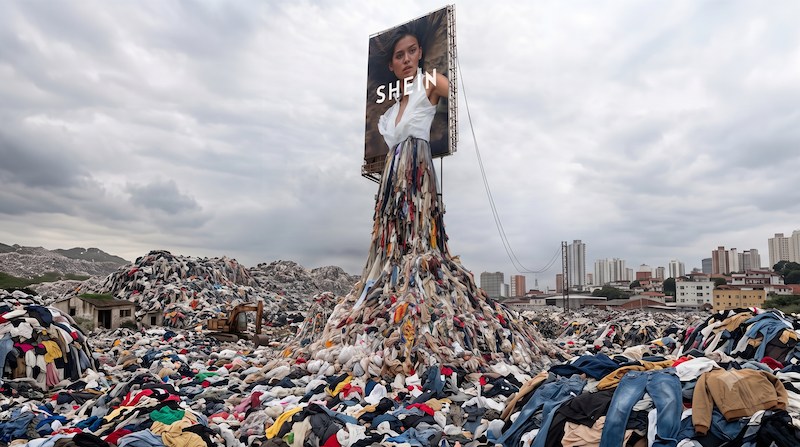
Shein disclosed financial data for the first time as it moved toward a Hong Kong listing. According to the Financial Times, the fast-fashion e-commerce company filed documents with the Hong Kong exchange on Sunday and reported a net loss of $99 million for the first quarter.
For the full year, Shein’s net profit fell to $2 billion in 2025 after reaching $3.4 billion in 2024. Its net margin also narrowed sharply, dropping from 8.7% to 4.9%. The filing gave outsiders their first real look at the company’s finances.
Trade barriers weigh on Shein’s low-cost shipping model
The report said trade barriers in the U.S. and Europe are hitting the low-price model that helped drive Shein’s growth and are complicating its path to an IPO.
One of the company’s key advantages had been its use of the U.S. tax-free threshold for small parcels, which allowed low-cost clothing made in China to be shipped by air into the American market. In May 2025, Trump shut down that low-cost channel. Shein then raised prices in the U.S. to pass on part of the added cost.
As trade tensions in the U.S. escalated, Shein stepped up efforts to develop new markets. The share of its revenue coming from the U.S. dropped to 22% this year from 30% in 2023.
Across Europe, governments have also been taking action to curb an influx of cheap Chinese goods that they say harms domestic industries. Shein has tried to diversify its supply chain by setting up production in Turkey, but its main suppliers are still manufacturers in China.
After failed New York and London attempts, Shein turned to Hong Kong
Shein had previously sought listings in New York and London, but both efforts were blocked by allegations linked to forced labor in Xinjiang. It eventually pivoted to Hong Kong. The report said Shein has publicly stated that it has zero tolerance for forced labor, yet the gap between Western supply-chain standards and Beijing’s political requirements has left the company in a difficult position.
EU probe and product safety criticism add to pressure
Shein has also faced scrutiny over products sold on its platform and its broader operating practices. The European Union has opened an investigation this year into what it described as illegal goods sold on Shein, including sex dolls designed to resemble children. Consumer rights groups have also warned that the company’s business model involves manipulative interface design that may violate the EU’s Digital Services Act.
According to information cited by the Taiwan External Trade Development Council, German independent testing body Öko-Test examined 21 Shein products and found that two-thirds failed the tests, with toxic chemical substances detected above permitted levels. The sampled items included T-shirts, baby clothing and sandals. The same information said incomplete manufacturing details made it impossible to obtain answers on fair pay, forced labor and supply-chain questions.