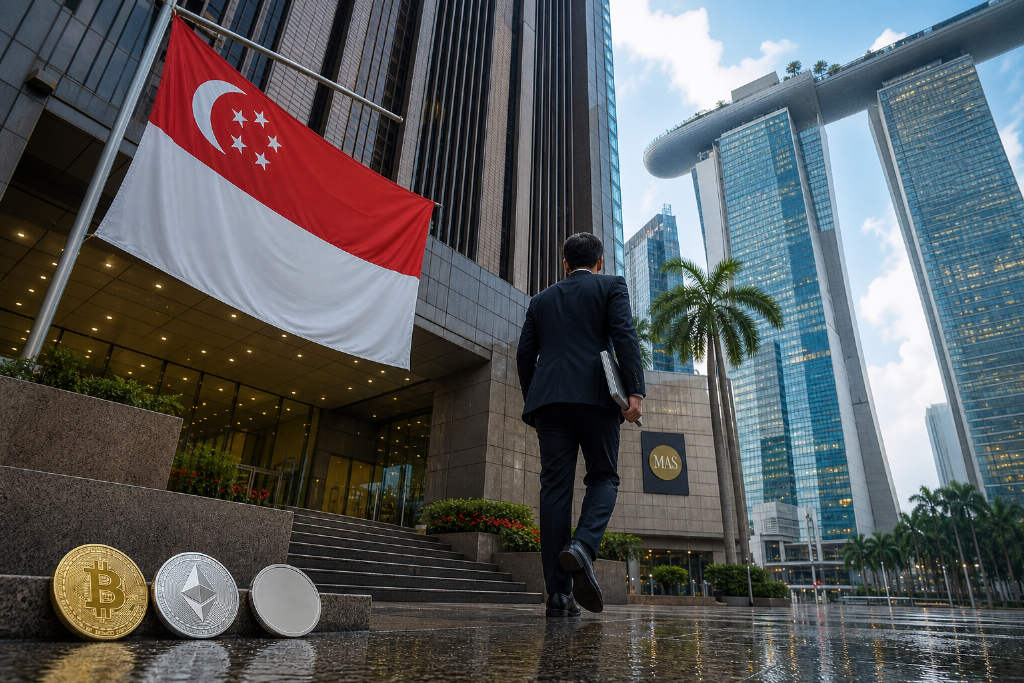
According to a report from ChainCatcher, the Monetary Authority of Singapore (MAS) has initiated a public consultation on a proposed amendment to the Payment Services Act 2019, with the declared purpose of creating a regulatory framework for stablecoins in Singapore. In addition, the regulator is asking for feedback on a related package of further regulatory requirements, which was prepared after taking into account how the stablecoin industry has developed since 2023. The consultation likewise covers a number of policy positions, including the treatment of stablecoin issuance that takes place across multiple jurisdictions and the recognition of stablecoins issued overseas. The deadline for submitting feedback is October 16.
According to ChainCatcher, the Monetary Authority of Singapore (MAS) has opened a public consultation on proposed amendments to the Payment Services Act 2019, with a view to establishing a regulatory framework for stablecoins in Singapore.
Alongside the legislative revision, MAS is also seeking public feedback on a separate set of proposals covering further regulatory requirements. The proposals take into account developments in the stablecoin industry since 2023. The consultation additionally asks for views on policy positions such as multi-jurisdictional issuance and the recognition of stablecoins issued overseas.
Comments must be submitted by October 16.
This article was originally published by Bit.Fan. For more cryptocurrency news and market insights, visit www.bit.fan. Disclaimer:
The market information, project data, and third-party content displayed on this platform are for industry information sharing only and do not constitute any form of investment advice or return commitment.
Cryptocurrency trading carries high risks. Users should fully assess their risk tolerance and make independent decisions. All profits, losses, and legal responsibilities are borne by the users themselves.